What should you look for when buying?
First, decide which ingredient matters most to you. Then compare the specific variety’s ingredients, possible traces and nutritional information. Don’t rely on a claim on the front of the pack alone.
| Criterion | What to check | Who is it important for? |
|---|
| Specific allergens |
Check the ingredients and may-contain information for the exact variety for anything you need to avoid. |
If I’m choosing a product because of an allergy or intolerance, I need information about the specific ingredient that affects me; this is the main consideration for around 36% of consumers. |
| Vegan and other claims |
Compare claims such as vegan, gluten-free or lactose-free with the ingredients list. |
I want a plant-based or lactose-free snack without assuming it has other qualities too. Around 29% of consumers put the recipe first. |
| Sugar and sweeteners |
Check the sugar content per 100 g and per bar, along with the ingredients and information about polyols. |
When choosing a sweet snack, I want to know whether it contains sugar alcohols or whether the sugar comes from other ingredients; this is a priority for around 21% of consumers. |
| Protein and portion size |
Compare the protein content per bar with the bar’s weight and the other nutritional information. |
If I’m mainly looking for a manageable snack portion with a particular amount of protein, the figure per bar is what matters. This is a priority for around 14% of consumers. |
Protein bars and wafer bars at Joybuy
This selection includes protein bars and a protein wafer bar for a pre-portioned snack while you watch TV. Pay particular attention to the sweeteners in these varieties, and check the ingredients and allergen information on the current pack before buying.
 No image available
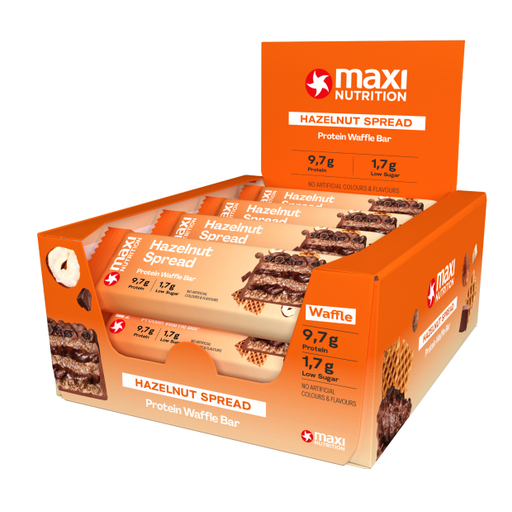
Maxi Nutrition Muesli Nut Butter Protein Wafer Bars, 12 × 39 g
These individually portioned wafer bars could be a good option if you’re looking for a protein snack for a night in and the ingredients suit your needs.
The product title states 25% protein and twelve bars at 39 g each. If you avoid wheat, milk, soya or hazelnuts, or have concerns about other possible traces, check the current pack. Also look out for the information about maltitol and excessive consumption.
View at Joybuy
 No image available
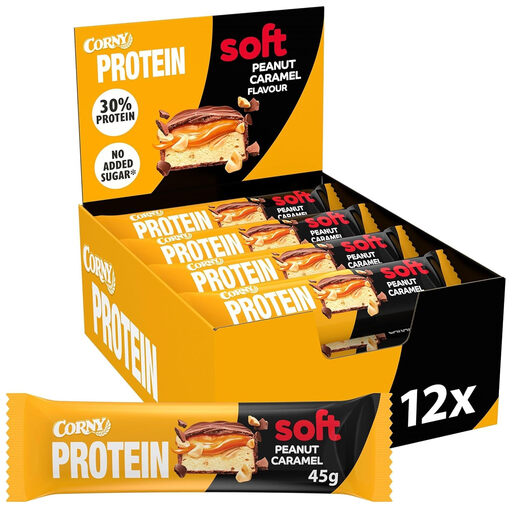
Corny No Added Sugar Protein Bars Soft Peanut-Caramel, 12 × 45 g
This multipack could suit you if you’re planning individual bars for several nights in and peanuts aren’t an issue for you.
The product title lists twelve bars at 45 g each and 30% protein. Check the current pack for milk, soya, peanuts, barley, possible traces of other allergens and information about maltitol. Use the figures on the pack to compare the energy content per bar.
View at Joybuy
 No image available
Premier Protein 50% Bar Chocolate Caramel
This chocolate caramel variety is only suitable as a TV snack if its actual ingredients and portion size meet your needs.
Compare the bar’s weight and nutritional information using the current pack. Also check its labelling for milk, soya, peanuts, other nuts and cereals containing gluten, as well as information about maltitol and sucralose.
View at Joybuy
Frequently asked questions
Does ‘free from’ on a protein bar mean it’s allergen-free?
No. The claim only tells you about the specific ingredient named. Check the ingredients and possible traces for the exact variety you’re considering. Lebensmittelklarheit explains how commonly occurring allergens are labelled in ingredients lists.
Is a vegan protein bar automatically gluten- and nut-free?
No. Vegan varieties can still contain ingredients such as oats, peanuts or tree nuts. So if you need to avoid any of these, read the ingredients list and may-contain information.
Does a bar with no added sweeteners contain no sugar?
No. Sugar can also come from ingredients such as dates or syrup. The sugar content in the nutritional table gives you the figure for that specific variety, while the ingredients list helps you understand where it comes from.
Why do some protein bars carry a warning about excessive consumption?
This warning may be linked to sugar alcohols, which can have a laxative effect in larger quantities. The consumer advice centre explains this effect in relation to sugar substitutes. HEJ Crispy Double Chocolate lists maltitol and 40 g of polyols per 100 g, and carries a corresponding warning.
Do I need a protein bar for a night in?
No, a night in by itself doesn’t mean you need a protein bar. Choose one if you like the portion size, flavour and ingredients. The consumer advice centre points out that most people in Germany don’t generally need extra protein to meet their nutritional needs.


