Brands and product ranges to help you choose
A brand alone doesn’t determine whether a product is suitable for an allergy: what matters is the information for each individual flavour.
REWE PWR
REWE announced, among other products, six 45-g protein bars for its own-label range.
- The named portion sizes can help when you’re looking for a bar to take with you.
- Check the ingredients and possible traces for your chosen flavour on the current packaging.
ALDI SPORTS
ALDI SÜD’s range includes different protein bars, including filled varieties and options marketed as vegan.
- You can distinguish between the flavours by recipe and portion size.
- A vegan option isn’t automatically suitable for a particular allergy; the labelling is what matters.
MAX BALANCE
A 45-g MAX BALANCE Stracciatella protein bar described by EDEKA contains soya crispies.
- For this flavour, EDEKA lists milk and soya as ingredients, and possible traces of gluten, tree nuts, peanuts and sesame.
- This information doesn’t automatically apply to other flavours. EDEKA recommends checking the actual packaging.
Barebells
Barebells offers classic, soft and vegan protein bars.
- According to Barebells, the protein content varies by bar; the brand states that its soft bars contain 16 g of protein per bar.
- Neither the protein claim nor the word ‘vegan’ answers the question of whether a specific flavour is suitable for an allergy.
ESN
ESN offers, among other products, Designer Protein Bars and GOAT Bars.
- ESN states that a 45-g Designer Protein Bar contains up to 15 g of protein.
- ESN describes milk protein as a source of protein. If you have a milk allergy, check the information for the specific flavour before choosing it.
Protein bars for choosing individual flavours at Joybuy
Each of these multipacks contains one named flavour rather than a mixture of different flavours. Check the current ingredients and allergen information before buying; individual wrapping is only specified for the Eat Natural varieties described as such.
 No image available
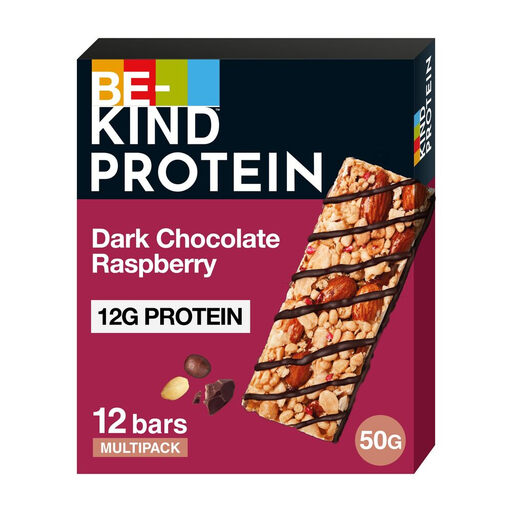
BE-KIND Protein Dark Chocolate Raspberry, 12 × 50 g
A handy stock of the same flavour, as long as it meets your allergy requirements.
This flavour isn’t suitable if you’re allergic to peanuts, soya or almonds. Also check the possible trace warnings on the current packaging.
View at Joybuy
 No image available
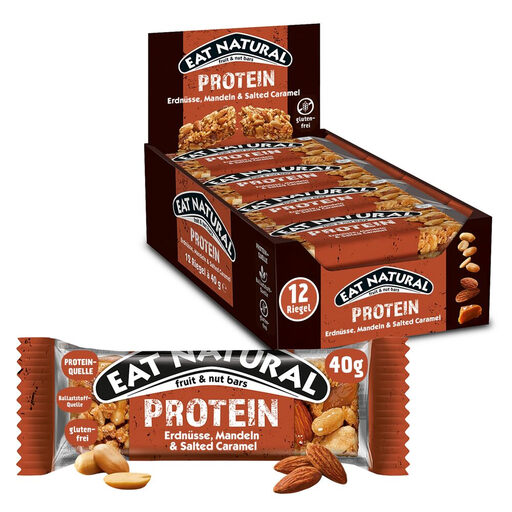
Eat Natural Protein Bars Peanuts, Almonds & Salted Caramel, 12 × 40 g
Once you’ve checked the allergens, you can take the twelve individually wrapped bars of the same flavour with you or keep them in stock.
This flavour isn’t suitable if you’re allergic to peanuts, soya, milk or almonds. Also check the trace warnings on the current pack.
View at Joybuy
 No image available
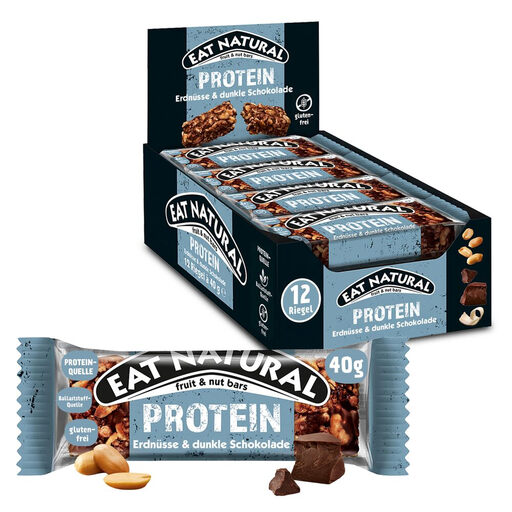
Eat Natural Protein Bars Peanuts & Dark Chocolate, 12 × 40 g
The twelve individually wrapped bars offer a named flavour to take with you, which you can check against your requirements in advance.
This flavour isn’t suitable if you’re allergic to peanuts or soya. The information also lists possible traces of milk and several types of nuts; check the current packaging.
View at Joybuy
 No image available
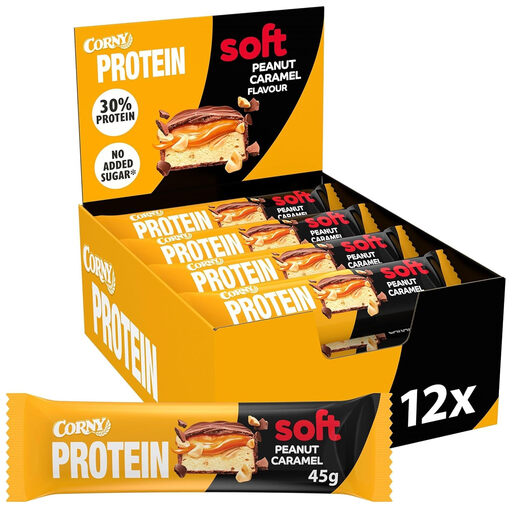
Corny No Added Sugar Protein Bars Soft Peanut-Caramel, 12 × 45 g
The pack contains twelve bars of one named flavour; check it against your allergy requirements before buying.
This flavour isn’t suitable if you’re allergic to milk, soya, peanuts or barley. Check the pack for possible traces of nuts and egg. For a protein comparison, use the current nutritional information.
View at Joybuy
 No image available
Barebells Vegan Protein Bar Peanut Caramel, 12 × 55 g
This flavour is marketed as vegan, so it may help you narrow down your options if you want to avoid animal-derived ingredients; you still need to check for allergens separately.
This flavour isn’t suitable if you’re allergic to wheat, soya or peanuts. Check the current packaging for possible traces. Use its nutritional information to compare protein content.
View at Joybuy
Frequently asked questions
Is a vegan protein bar suitable if I have a milk allergy?
Not automatically: check the ingredients and possible traces for the specific flavour against your individual requirements. EDEKA mentions possible traces of milk and other allergens in a bar marketed as vegan.
What does ‘May contain traces of …’ mean?
The warning refers to possible accidental contamination, not ingredients that have been deliberately added. According to the German Federal Institute for Risk Assessment, there is no uniform legal labelling requirement for such trace warnings, and the wording doesn’t indicate a standard quantity.
Do I need to check every flavour in a variety box?
Yes, if allergens or traces matter to your choice. Ingredients and trace warnings can differ between flavours; also check the information on the individual packs you receive.
Is the allergen information on an online shop enough?
Use it to narrow down your options, then check the current packaging before eating the product. EDEKA’s product listing specifically notes that online information may differ from what’s stated on the packaging.
Which allergens must be listed on packaged foods?
The labelling requirement covers the 14 allergenic ingredients included in EU regulations when they have been deliberately added; they must be highlighted in the ingredients list. As Lebensmittelklarheit explains, this requirement doesn’t automatically cover accidental contamination.


