When choosing a protein bar for back to school, don’t rely on the words “High Protein” alone. Think about whether the portion suits your needs after sport or as a snack on the go. Compare the protein and other nutritional values per bar, as well as the ingredients and allergens for the specific variety. If a bar contains sweeteners, it’s also important to check the information on the packaging.
Who should take care when choosing
School pupils and students who fit sport into their day
If you’re planning a bar between lessons, campus and training, the protein per bar is more useful than a figure given only per 100 g. For example, Barebells lists 20 g of protein per 55 g Salty Peanut bar. Compare other varieties and portion sizes individually.
People with little time for breaks
For a snack in your school bag, consider whether the portion size suits you and whether the ingredients are right for your needs. For example, dm-drogerie markt describes Sportness Peanut Caramel as a 40 g bar; the nutritional values per bar help you assess the portion.
People choosing vegan or lactose-free options
Check the labelling for the specific variety and read the ingredients and allergen information too. For example, the vegan bars from PowerBar and KoRo described by dm-drogerie markt contain peanuts and hazelnuts respectively; the PowerBar variety also contains soya.
What to look for when buying
First decide what matters most to you: the amount of protein per portion, a handy snack for break time, a particular recipe or the sweeteners used. Then compare the information for each variety per bar and per 100 g.
| Criterion |
What to check |
Who it matters to |
| Protein per portion |
Protein in grams per bar and the bar’s weight, as well as the protein source and allergens. |
After sport at school, I want to know how much protein there is in one bar. Around 33% of consumers put this predictable portion first. |
| Snack on the go |
Portion size, nutritional values per bar and storage instructions. |
On long days of lessons or campus study, I mainly need a portion I can take with me. For around 27% of consumers, this practical use comes first. |
| Vegan or lactose-free recipe |
Labelling for the specific variety, plus ingredients and allergen information. |
If my diet requires a vegan or lactose-free option, the specific recipe needs to meet my needs. This is the main consideration for around 20% of consumers. |
| Sugar and sweeteners |
Sugar and polyols per 100 g and per bar, plus sweeteners and on-pack information. |
I want to assess the sugar content and sweeteners used before packing a bar for my break. Around 20% of consumers give this the greatest weight. |
Common buying misconceptions
-
Assuming “High Protein” means a large serving
Under EU Regulation (EC) No 1924/2006, the claim “high protein” means that at least 20% of the energy value comes from protein. It doesn’t tell you how much protein there is in an individual bar.
To assess the portion, compare the grams of protein per bar with the bar’s weight and the other nutritional information.
-
Assuming low sugar means it will suit everyone
Some bars contain polyols. dm-drogerie markt lists 21 g per 100 g for Sportness Peanut Caramel and warns that excessive consumption may have a laxative effect.
Read the information on sugar, sweeteners and portion size, as well as the guidance on the specific pack.
-
Assuming vegan or lactose-free means allergen-free
The PowerBar Salty Peanut Crunch variety, described by dm-drogerie markt as vegan and lactose-free, contains peanuts and soya. The KoRo hazelnut bar, also labelled this way, contains hazelnuts.
For every variety, check the ingredients list, highlighted allergens and any precautionary allergen statements.
-
Overlooking the sugar content in vegan bars
dm-drogerie markt lists 27 g of sugar per 100 g for the vegan KoRo hazelnut bar. Dietary suitability alone doesn’t tell you how much sugar a bar contains.
If sugar content is important to you, compare the nutritional information and the size of each portion.
Brands and product ranges to consider
The details below relate to the specific varieties named, not to each brand’s entire range.
Barebells
Salty Peanut is aimed at people who want to compare the stated protein content per bar. Barebells lists 20 g of protein for a 55 g bar.
- Protein content is listed for each individual bar.
- The variety contains milk protein, collagen hydrolysate and peanuts. Barebells also mentions possible allergen traces and includes a warning about excessive consumption.
Sportness
For the 40 g Peanut Caramel variety, dm-drogerie markt lists 34 g of protein per 100 g. Portion size is also important when comparing individual snacks.
- Protein and other nutritional values are available for this specific variety.
- It contains milk, peanuts, soya and sweeteners. The product page warns that excessive consumption may have a laxative effect.
PowerBar
dm-drogerie markt describes Natural Protein Salty Peanut Crunch as vegan and lactose-free, and lists 30 g of protein per 100 g.
- The dietary characteristics are stated for this variety.
- It contains peanuts and soya. The nutritional information lists 18 g of sugar per 100 g. Other allergen traces may be present.
KoRo
The hazelnut bar described by dm-drogerie markt is labelled vegan and lactose-free, and contains pea and rice protein.
- The variety is listed as containing 25 g of protein per 100 g.
- Hazelnuts are part of the recipe, and the nutritional information lists 27 g of sugar per 100 g.
Protein bars at Joybuy
This selection includes individually portioned protein bars and a protein bite for breaks, journeys and around your sporting activities. Compare the specific variety and pack size. The Barebells Peanut Caramel option is described as vegan, while the other products shown here are not presented as vegan alternatives.
 No image available
Barebells Protein Bar Cookies & Cream, 12 × 55 g
An individually portioned option for the journey or after training.
The pack contains twelve 55 g bars. For this variety, check the information on milk, soya, other possible allergen traces and sweeteners, as well as the warning about excessive consumption.
View at Joybuy
 No image available
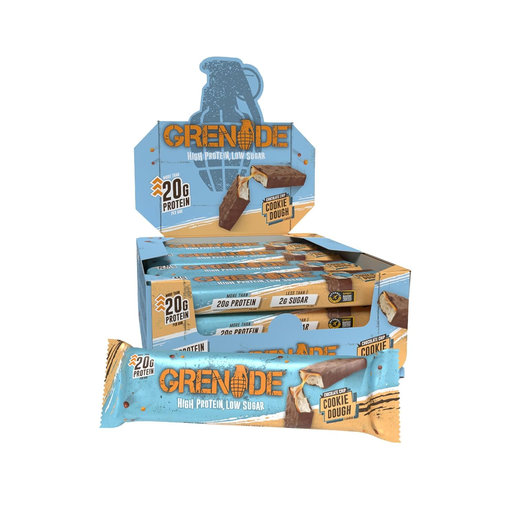
Grenade Carb Killa Choc Chip Cookie Dough, 12 × 60 g
An individually portioned bar for on the go or around your sporting activities.
The pack contains twelve 60 g bars. When choosing, take milk, soya, possible other allergen traces and polyols into account. You can check the sugar content on the current pack.
View at Joybuy
 No image available
BE-KIND Protein Caramel Nut, 12 × 50 g
The individually wrapped bars can be planned in as a snack for a journey or a break.
The pack contains twelve 50 g bars. For this variety, be aware that it contains peanuts, milk and soya, and may contain other nuts.
View at Joybuy
 No image available
Barebells Vegan Protein Bar Peanut Caramel, 12 × 55 g
This variety is described as vegan and may suit you if a plant-based recipe is your priority.
The pack contains twelve 55 g bars. Check for peanuts, soya, possible other allergen traces and sweeteners. Different figures have been quoted for the protein content per bar, so use the nutritional table on the current pack for your comparison.
View at Joybuy
 No image available
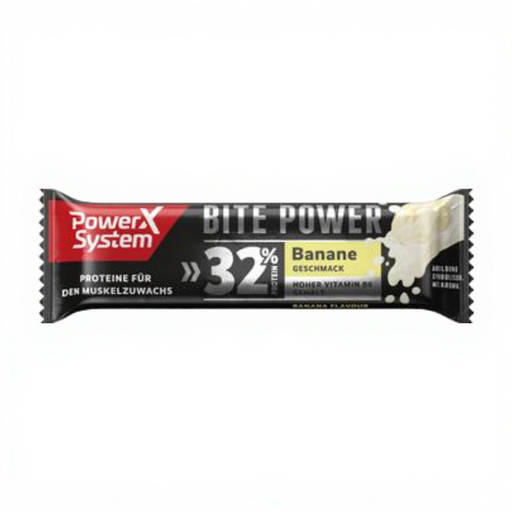
Power System 32% Protein Bite Power, Banana, 35 g
The 35 g portion is an option if you’re planning a small snack for on the go.
To compare it with larger bars, check the protein, sugar and sweetener content per portion on the pack. Also take milk, soya and egg into account, along with possible other allergen traces.
View at Joybuy
Frequently asked questions
What does “High Protein” mean on a bar?
Under EU Regulation (EC) No 1924/2006, a “high protein” claim requires at least 20% of the energy value to come from protein. This doesn’t tell you how many grams of protein you’ll get from one bar, so check the nutritional information per portion.
Should I check allergens in a vegan protein bar?
Yes. A vegan label doesn’t mean a bar is allergen-free. Under EU Regulation (EU) No 1169/2011, listed allergens must be emphasised in the ingredients list on prepacked foods. Also check for any precautionary allergen statements on the specific variety.
Are vegan protein bars automatically low in sugar?
No. A vegan recipe doesn’t in itself tell you how much sugar a bar contains. dm-drogerie markt lists 18 g of sugar per 100 g for PowerBar Natural Protein Salty Peanut Crunch and 27 g per 100 g for the KoRo hazelnut bar. Always compare the figures for the variety and portion you want.
What does a warning about a possible laxative effect mean?
It highlights a possible effect if you consume too much. For Sportness Peanut Caramel, dm-drogerie markt lists 21 g of polyols per 100 g and includes a corresponding warning. So check the ingredients and portion size.


