Shoppers keeping an eye on portion size
You’d like to plan a small snack before your workout and know how many kcal the whole bar contains. The sugar content alone won’t tell you how much energy it provides.


If you’re after a small snack before your workout, compare the kcal per bar you’ll actually eat as well as the nutritional values per 100 g. For longer or more intense exercise, protein content shouldn’t be the only deciding factor: the German Nutrition Society highlights the importance of carbohydrates for supplying energy during sport. Also check the ingredients and serving advice for the specific variety, particularly if sugar alcohols or allergens are relevant to you.
You’d like to plan a small snack before your workout and know how many kcal the whole bar contains. The sugar content alone won’t tell you how much energy it provides.
If you’re planning a longer or more intense session, the carbohydrate content matters too. The German Nutrition Society describes carbohydrates as important for supplying energy during sport, so a high protein content alone won’t answer the question.
If you’re sensitive to sugar alcohols, need to avoid allergens or shop for vegan products, the exact variety matters. Check the ingredients list, allergen information, possible traces and serving advice on the pack.
First decide whether you simply want a small portion or mainly need energy for the exercise ahead. Then compare the nutritional information and check the ingredients for the variety you’re considering.
| Criteria | What to check | Who it matters to |
|---|---|---|
| Energy per portion | kcal per whole bar and per 100 g; weight of the portion you’ll actually eat | I want to include a small snack in my plan without confusing the sugar content with the energy content. For around 36% of shoppers, energy per portion is the top priority. |
| Energy for training | Duration and intensity of the session; carbohydrates and protein per bar | Before a longer or more intense session, I want to work out whether my snack suits my energy needs. Around 21% of shoppers give priority to carbohydrate content. |
| Tolerance | Sugar alcohols in the ingredients list and nutritional information; serving advice | If I eat shortly before training, I want to choose a variety whose ingredients and serving advice suit what I know I can tolerate. For around 29% of shoppers, this is the most important consideration. |
| Suitability for vegan diets and allergen requirements | Ingredients, highlighted allergens and possible traces in the specific variety | I need a variety that suits my vegan diet or avoids the allergens I need to steer clear of. This takes priority for around 14% of shoppers. |
A small bar may contain relatively few kcal without the product being low in energy per 100 g. Under EU Regulation (EC) No 1924/2006, a ‘low energy’ claim for solid foods requires no more than 40 kcal per 100 g.
Compare the kcal per bar and per 100 g. Look at sugar, fat and polyols separately from the protein content.
The German Nutrition Society describes carbohydrates as important for supplying energy during sport. So a protein-rich bar won’t automatically tell you whether the snack is right for a longer or more intense session.
Consider the exercise ahead and decide whether you’re looking for a small snack or one with a suitable amount of carbohydrates.
For several of the bar varieties considered, the product information warns that excessive consumption may have a laxative effect. Your personal tolerance can affect your choice, especially just before a workout.
Read the ingredients and warnings for the specific variety, and bear in mind how you react to these ingredients.
A protein bar is a type of snack, not an essential part of training. The consumer advice centre points out that people who exercise can also meet their protein needs through everyday foods.
Compare the bar with other snacks by looking at the portion, nutritional values and what you actually need before your workout.
The details below apply to the specific bar varieties mentioned, not every product from each brand. Always compare the exact variety when making your choice.
The Protein Delight Bar is an example of a small bar portion.
The varieties mentioned include Chocolate Spread and a vegan option with a different portion weight.
The 40% Protein+ Crisp Caramel Peanutbutter is a 40-g option.
dm-drogerie markt offers a range of protein bars under this own brand, including a variety labelled vegan.
This selection includes packaged protein bars for a portion you can plan for, as well as a savoury beef snack in bite-sized pieces. Check the pack details to decide which portion size, nutritional values and ingredients suit your needs before a workout.
 No image available
The 40-g bar format may suit you if you want to plan a single portion before your workout. Compare the energy per bar with the figure per 100 g on the pack, and check the ingredients and serving advice.
 No image available
If you’re considering a sweet protein bar as a snack, factor in the full 55-g bar size when comparing this variety. Check the nutritional information and ingredients.
 No image available
This 55-g variety, labelled vegan, may interest shoppers looking for plant-based products who want to compare snack portions. Before buying, check the nutritional table, protein content and allergen information on the pack; ‘vegan’ doesn’t mean allergen-free.
 No image available
The 45-g bar format makes it easier to plan a single snack portion. The protein claim in the name doesn’t replace comparing the kcal per bar and per 100 g; also check the ingredients and serving advice.
 No image available
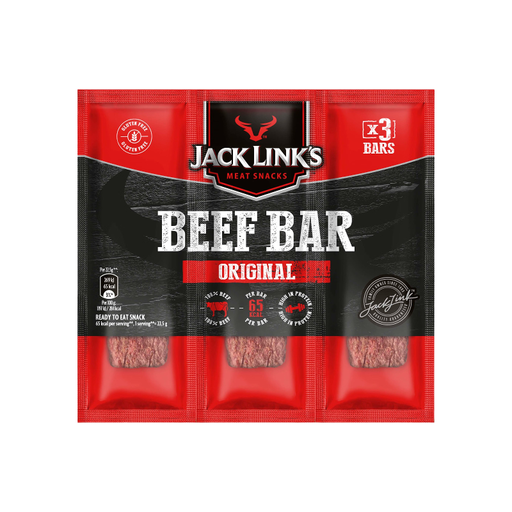
This savoury snack format could be a good choice if you’re looking for a small snack instead of a sweet protein bar. Compare the nutritional values per 100 g with the size of a 22,5-g piece, and check the salt content on the pack too.
No. Under EU Regulation (EC) No 1924/2006, a ‘low energy’ claim for solid foods is restricted to products containing no more than 40 kcal per 100 g. So compare the kcal per portion with the kcal per 100 g rather than treating a small portion as a regulated product claim.
A protein bar may work as a small snack, but it won’t automatically meet the energy needs of every workout. The German Nutrition Society highlights the importance of carbohydrates for supplying energy during sport, so consider the duration and intensity of your exercise as well as the carbohydrates per bar.
Check the ingredients list and allergen information for the specific variety, along with any warnings about possible traces. The Federal Office of Consumer Protection and Food Safety explains that certain major allergenic ingredients and products must be highlighted in the ingredients list. Even with a vegan bar, check which protein sources it contains.
For the bar varieties mentioned here, it’s serving advice to bear in mind, particularly for products with sweeteners or sugar alcohols. If you eat shortly before a workout, check more than just the sugar content: consider the ingredients, serving advice and your personal tolerance too.
No, a protein bar isn’t a requirement for training. The consumer advice centre points out that people who exercise can also meet their protein needs through everyday foods. What matters when choosing a snack is what you need before your session and the nutritional values of the portion you’ll actually eat.