What should you look for when buying?
First, decide what you want the bar to do for you before your workout: provide a protein portion that’s easy to compare, suit your planned endurance session, or meet specific ingredient requirements.
| Criteria | What to check | Who should consider it? |
|---|
| Protein portion |
Compare the protein per bar and the weight of each portion. A claim such as “high in protein” doesn’t simply describe a number of grams. |
If I’m planning a protein snack, I want to know how much protein is actually in each bar. Around 40% of shoppers may see the protein portion as their main buying consideration. |
| Carbohydrates and energy |
Compare the carbohydrates and energy per bar with the duration and intensity of your planned session. |
Before a longer or more intense endurance session, I don’t want to choose a snack based on its protein content alone. For around 30% of shoppers, carbohydrates and energy may take priority. |
| Ingredients and tolerability |
Check the ingredients, allergen information and sweetener details on the pack you’ve chosen. |
If I need or want to avoid certain ingredients, the specific flavour determines my choice. For around 30% of shoppers, ingredients and tolerability may come first. |
Bars and protein bites at Joybuy
This selection includes portion-controlled bars and a protein bite for a pre-workout snack. Compare the protein and carbohydrates per serving, as well as the ingredients in each variety.
 No image available
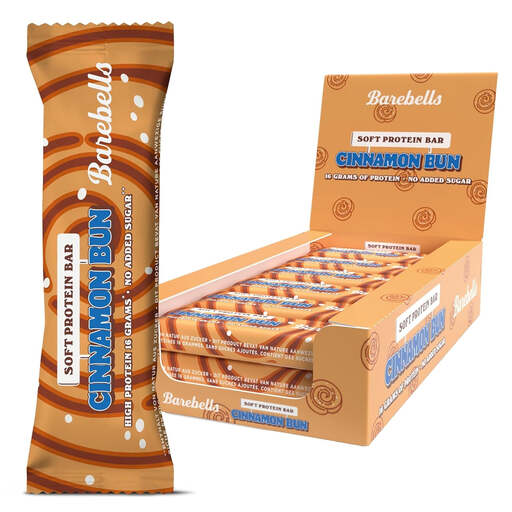
Barebells Soft Protein Bar Cinnamon Bun, 12 × 55 g
A portion-controlled protein snack if you also want to keep an eye on your carbohydrate intake.
The nutrition table lists 16 g of protein and 19.3 g of carbohydrates per 55 g bar. The product description gives the protein content as 17 g per bar, so check the information on the pack.
Contains milk and soya, as well as sweeteners. The product description warns that excessive consumption may have a laxative effect.
View at Joybuy
 No image available
Barebells Protein Bar Cookies & Cream, 12 × 55 g
An option for shoppers who want to compare protein and carbohydrates per bar.
The nutrition table lists 20 g of protein and 17 g of carbohydrates per 55 g bar.
Contains milk and soya, as well as maltitol, sucralose and acesulfame K. The product description warns that excessive consumption may have a laxative effect.
View at Joybuy
 No image available
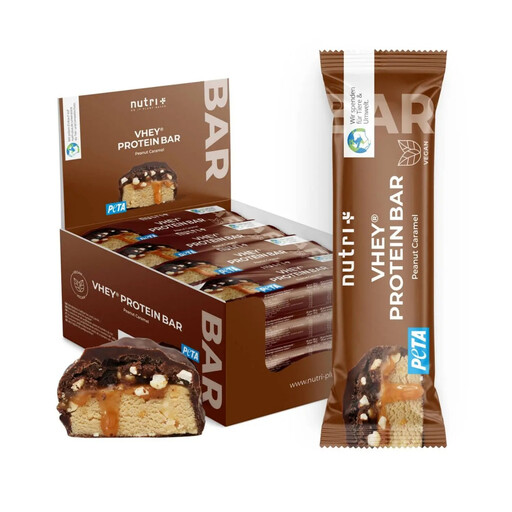
Nutri+ Whey Protein Bar Peanut Caramel, 12 × 50 g
If you’re considering this peanut caramel variety, pay particular attention to its ingredient information before buying.
The product description lists 11 g of protein per 50 g bar and pea protein, while “Whey” appears in the product name. So, to check whether the bar suits your dietary requirements, rely on the information on the specific pack. Check the carbohydrates and energy per bar there too.
Contains peanuts and sweeteners. The description warns that excessive consumption may have a laxative effect.
View at Joybuy
 No image available
Frankonia Sugar Free Nutrition Bar Chocolate Brownie, 50 g
A snack bar for shoppers who want to assess a 50 g serving using the stated nutritional values.
The product information lists 10 g of protein, 12.5 g of carbohydrates and 8.5 g of polyols per bar.
Contains milk and soya. The product description warns that excessive consumption may have a laxative effect.
View at Joybuy
 No image available
Power System 32% Protein Bite Power Banana flavour, 35 g
A 35 g protein bite if you’re looking for a smaller individual portion instead of a larger bar.
The description lists 32 g of protein per 100 g. If you’re choosing a snack for a longer or more intense endurance session, check the carbohydrates and energy per bite on the pack.
Contains milk, soya and egg; according to the description, it may also contain traces of gluten, peanuts and other nuts.
View at Joybuy
Frequently asked questions
When can a bar be marketed as “high protein” or “rich in protein”?
Under EU Regulation (EC) No 1924/2006, at least 20% of the food’s total energy value must come from protein for this claim to be used. So what matters is the proportion of energy from protein, not just the number of grams on the front of the pack.
Is a high-protein bar suitable before every workout?
Not necessarily. For longer or more intense endurance sessions, you should also check the carbohydrates and energy per serving. The DGE highlights the importance of carbohydrates for energy supply during sport, so a high protein content alone doesn’t answer the question.
Does “no added sugar” mean that a bar contains no sweeteners?
No. Check the ingredients list for sweeteners and polyols, as well as the information for the specific variety. The Verbraucherzentrale (Consumer Advice Centre) notes that consuming large amounts of sugar substitutes can have a laxative effect.
Why should I check the allergens for each variety separately?
Ingredients and information about possible traces can vary between varieties. For example, EDEKA lists milk and soya in a MAX BALANCE protein bar and advises shoppers to check the packaging for the definitive product information.


