Hosts keeping an eye on fat content
You want to offer protein bars whose fat content you can compare with other varieties. The figures per 100 g give you a common basis for comparison; after that, check how much fat there is in each individual bar.


If you want to choose lower-fat protein bars for a birthday party, compare the fat content per 100 g first, then check it per bar. Protein content or a sugar-related claim won’t answer this question. For guests, it’s also important to check the ingredients, allergens, precautionary allergen information and sweetener warnings.
You want to offer protein bars whose fat content you can compare with other varieties. The figures per 100 g give you a common basis for comparison; after that, check how much fat there is in each individual bar.
You want to check which ingredients and precautionary allergen information are relevant to your guests before putting the bars out. The product details for the varieties covered here include milk, soya or nuts, as well as possible traces of these ingredients.
You’re looking for an individually portioned sweet treat with a stated protein content. Compare the figures per bar without overlooking fat, sugar and ingredients just because the bar makes a protein claim.
When comparing similar protein bars, start with the nutritional values per 100 g, then check the actual portion size. If you’re serving them at a buffet, ingredients and packaging information should also be part of your decision.
| Criterion | What to check | Who it matters most to |
|---|---|---|
| Fat content | Compare fat and saturated fat per 100 g, then check the fat content per bar based on its weight. | If I specifically want to offer a bar with less fat than comparable varieties, a protein claim alone won’t help me decide. Around 42% of consumers put this fat comparison first. |
| Ingredients and information | Read the ingredients, allergens, possible traces and sweetener information on the pack you buy. | If guests have known allergies, I don’t want to choose a variety based on its name alone. For around 33% of consumers, suitability is the main concern. |
| Protein and portion size | Check the protein content per bar and the bar’s weight, while also taking fat and sugar into account. | If a handy portion with a stated protein content is the priority, I need information about each individual bar, not just a percentage on the front of the pack. This is a priority for around 25% of consumers. |
You can’t tell that from the claims on the front of the pack. The fat content varies considerably between the specific protein bar varieties described by dm and EDEKA.
First compare fat and saturated fat per 100 g, then take the weight of the bar you plan to serve into account.
dm lists 23 g of fat per 100 g for its vegan Sportness Natural Protein with nuts; the RAWBITE Protein Bar described by nu3 contains 22 g per 100 g. The recipe description is no substitute for checking the nutritional values and allergens.
For these varieties, check fat, sugar and ingredients just as you would for bars made with milk protein.
Ingredients and possible traces vary from one variety to another. This means the specific pack can be crucial, especially when guests have known allergies.
Ask about any relevant requirements in advance and read the allergen and precautionary allergen information for every variety you actually buy.
Several of the bars covered here carry a warning about a possible laxative effect if consumed in excess. Without the packaging, guests also won’t have access to the ingredients and allergen information.
Keep the information accessible and serve the bars in a way that lets guests identify each variety.
The nutritional values relate to the specific varieties mentioned, not every bar from each brand. Your choice should be based on the information on the pack you buy.
The Sportness varieties described by dm include a 50% protein bar and a vegan Natural Protein bar with nuts.
The Barebells Chocolate Spread described by dm is a chocolate-flavoured protein bar.
EDEKA describes a range of protein bars under MAX BALANCE, including varieties made with milk protein and a vegan brownie variety.
The RAWBITE Protein Bar described by nu3 contains almonds, pumpkin seeds and rice protein, among other ingredients.
These two protein bars are worth considering for comparison when planning your party. Before buying, check the nutritional information; before serving, check the ingredients and information on the specific pack. In particular, clarify the serving details for the Premier Protein bar.
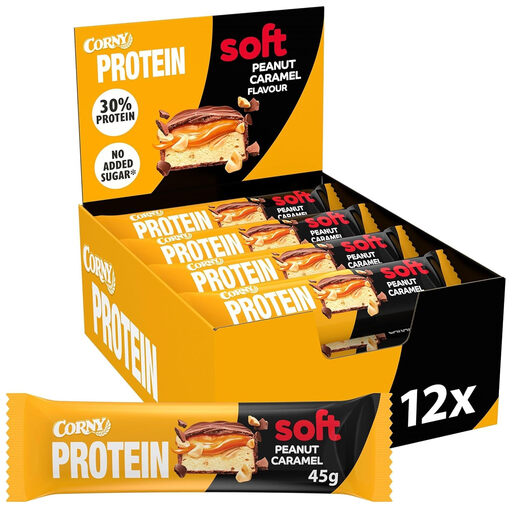 Image unavailable
The pack of twelve individually portioned 45 g bars could be a good choice if you want to plan how many to serve at your party.
Check the fat content of this variety per 100 g and per bar against the information on the pack. For guests with allergies, pay particular attention to the information about milk, soya, peanuts and possible traces. Also check the warnings about maltitol.
 Image unavailable
This protein bar is worth considering for a comparison of fat content per 100 g, provided you can then check the portion details against the actual pack.
The information about the pack contents and individual bar weight is contradictory, so check how many bars are included and how much each one weighs before buying. Also check the information about milk, soya, possible allergen traces and sweeteners for your guests.
No. The information for the specific Sportness, Barebells and MAX BALANCE varieties listed by dm and EDEKA shows that fat content can vary despite high protein claims. Compare fat per 100 g and per bar independently of the protein content.
Check the nutritional information, ingredients, highlighted allergens and possible traces for the variety you buy. For prepacked foods, the Bavarian State Office for Health and Food Safety explains nutritional labelling, while the Federal Office of Consumer Protection and Food Safety explains allergen labelling.
No. A vegan recipe doesn’t tell you whether other ingredients or traces may be relevant to individual guests. For the vegan MAX BALANCE brownie variety covered here, EDEKA lists soya and wheat gluten, among other ingredients, as well as possible traces of peanuts, milk, nuts and sesame.
Some of the bars covered here carry a warning about a possible laxative effect if consumed in excess. Keep the information on each pack accessible when serving, so guests can match it to the right variety.
It can help you shortlist products, but it doesn’t replace checking the pack you buy. EDEKA notes that packaging information may differ for the varieties covered here, so check the ingredients, allergens and nutritional values again before serving.