What should you look for when buying?
Start by comparing the information per bar, then check which varieties are suitable for your guests’ diets and allergen requirements.
| Criteria | What to check | Who is it important for? |
|---|
| Protein per bar |
Compare the protein content and weight of each bar, and check the energy per serving. |
After a workout, I want to know how much protein is in each bar, rather than just seeing the amount per 100 g. This is the top priority for around 36% of consumers. |
| Allergens and dietary requirements |
Check the ingredients, highlighted allergens and ‘may contain’ warnings on the packaging for each variety. |
If guests are vegan or need to avoid allergens, I need clear information for every variety. This is the main concern for around 29% of consumers. |
| Taste and portion size |
Check the bar weight, flavours and described texture before putting together a selection. |
At a party, I want to offer a variety of sweet snacks without expecting everyone to have the same large bar. Around 21% of consumers put this first. |
| Sugar and other ingredients |
Compare the sugar, energy and fat per bar, and check any information about sweeteners. |
Before putting out several varieties, I want to understand their nutritional values and any consumption advice. This check is the priority for around 14% of consumers. |
Protein bars at Joybuy
These bars cater for different preferences at a birthday party: a larger protein serving, a variety labelled as vegan and other sweet, individually portioned options. Whether they’re suitable for guests with allergies depends on the labelling of the specific product.
 No image available
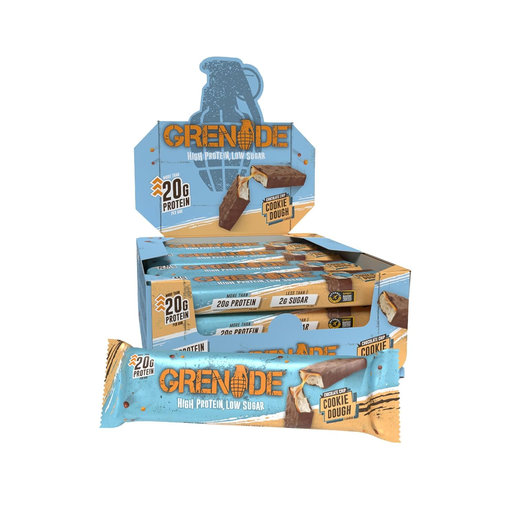
Grenade Carb Killa Choc Chip Cookie Dough, 12 × 60 g
A good choice for guests looking for a bar with a clearly stated protein content: each 60 g bar contains 21 g of protein.
Contains milk and soya; check the ‘may contain’ warnings for other allergens. According to the product description, the polyols it contains may have a laxative effect if consumed in excess. Check the packaging for sugar and energy information.
View at Joybuy
 No image available
Barebells Vegan Protein Bar Peanut Caramel, 12 × 55 g
A vegan-labelled option for guests looking for a plant-based bar. The 55 g bar is listed as containing 205 kcal and 1.5 g of sugar.
The product information gives two different protein values: the highlighted claim states 15 g, while the nutrition table lists 14.3 g per bar. Check the packaging for the correct value. The bar contains peanuts, wheat and soya protein; check the ‘may contain’ warnings too.
View at Joybuy
 No image available
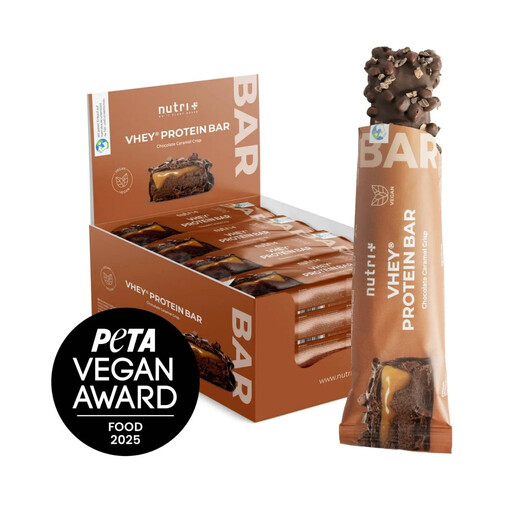
Nutri+ Whey Protein Bar Chocolate Caramel Crisp, 12 × 50 g
A chocolate caramel bar for guests who prefer a 50 g serving, with 13 g of protein listed per bar.
The name ‘Whey’ and the recipe description as plant-based don’t clearly match. Check the packaging for the ingredients and dietary information before offering this as a vegan option. Also check the allergen information and consumption guidance.
View at Joybuy
 No image available
BE-KIND Protein Caramel Nut, 12 × 50 g
A good option for a selection with nutritional information per bar: the 50 g bar is listed as containing 257 kcal and 7.5 g of sugar.
The protein information differs between the highlighted claim and the nutrition table: 12 g and 12.5 g per bar, respectively. Check the packaging for the exact value. The bar contains peanuts, milk and soya; it may also contain other nuts.
View at Joybuy
Frequently asked questions
Do guests who exercise need a protein bar after a workout?
No. A protein bar isn’t essential for everyone after exercise. The German Nutrition Society says that recreationally active adults who exercise at a moderate intensity for 30 minutes, four to five times a week, do not have increased protein requirements.
How can guests check which allergens are in the bars on offer?
Make the original packaging, including the ingredients list and ‘may contain’ warnings, available for every variety. The German Federal Office of Consumer Protection and Food Safety explains that the 14 main substances or products that can cause allergies or intolerances must be listed in the ingredients. For each guest, however, the information on the specific bar is what matters.
Is a vegan protein bar also free from wheat, soya and nuts?
No, the vegan label doesn’t mean that. Barebells says its vegan Caramel Choco Chip contains wheat and soya protein and may contain traces of milk, peanuts, tree nuts and sesame. Check the packaging for each variety.
Is a bar with no added sugar automatically low in calories?
No. ‘No added sugar’ doesn’t tell you the energy content. For the variety you’re considering, compare the nutrition information for energy, sugar and fat, as well as the serving size by weight.


