Calorie-conscious commuters
If there’s only time for a packaged snack in the morning, comparing the calories per whole bar can help. That way, you can assess an actual portion rather than just the protein figure on the front of the pack.


For a quick morning snack, compare the calories and protein per whole bar, along with its weight. According to FULFIL, two 40 g varieties contain 135 and 145 kcal respectively, with 14 g of protein each; Barebells lists 167 kcal and 15 g of protein for its 45 g Hazelnut Spread bar. A bar can tide you over when you’re having breakfast on the go, but it isn’t automatically a complete meal. Ingredients, allergens and sweeteners may influence your choice just as much as the time until your next meal.
If there’s only time for a packaged snack in the morning, comparing the calories per whole bar can help. That way, you can assess an actual portion rather than just the protein figure on the front of the pack.
You want a protein bar to eat on the go, but need to check ingredients such as milk, soya or nuts, as well as sweeteners and possible ‘may contain’ warnings. The label on the specific variety is what matters.
You need something quick to tide you over on early starts and want to work out whether you’ll need another meal later. The Federal Centre for Nutrition also recommends small first-breakfast portions and food prepared in advance for situations like these.
Start with the portion you’ll actually eat. Then check whether the ingredients and bar size suit your morning and the time until your next meal.
| Criteria | What to check | Especially important for |
|---|---|---|
| Calories per bar | Compare the kcal per whole bar and its weight; values per 100 g alone don’t tell you about portions of different sizes. | Before my commute, I want to know how many calories are in the portion I’ll actually eat. Around 36% of consumers put calories per bar first when making this choice. |
| Protein content | Check the grams of protein per whole bar and consider the figure in the context of the rest of your diet. | When I’m specifically looking for a compact, protein-rich snack, the contribution from each portion matters to me. For around 21% of consumers, this protein contribution is the main consideration. |
| Ingredients and allergens | Read the ingredients list, allergen information and any sweetener guidance on the specific pack. | If an ingredient is relevant to me, I need to check the exact variety before packing it for the day. Ingredients and suitability are the main consideration for around 29% of consumers. |
| Breakfast on the go | Think about when you’ll be able to eat again and whether you want to prepare something extra for later. | If there’s a long wait until my next meal, I don’t want to rely on a bar alone. For around 14% of consumers, a practical way to get through the morning takes priority. |
The protein figure alone tells you little about the size of the bar or the calories in the whole portion. FULFIL lists 14 g of protein for each of two 40 g varieties, at 135 and 145 kcal respectively.
Compare the protein, kcal and weight for a whole bar side by side.
A ‘no added sugar’ claim doesn’t rule out naturally occurring sugars or sweeteners. The consumer advice centre notes that consuming large amounts of sugar alcohols can have a laxative effect.
As well as the claim on the front of the pack, read the nutrition information, ingredients list and consumption guidance.
Ingredients and allergen information can vary between varieties: the bars described here include milk, soya, peanuts or hazelnuts, among other ingredients.
Check the label on the specific variety every time you buy, rather than relying on information for another product from the same brand.
A packaged bar is quick to grab, but it doesn’t necessarily offer the variety of a meal. For hectic mornings, the Federal Centre for Nutrition also suggests having a small first breakfast and topping it up later.
If you’re regularly out and about for a long time, consider packing something extra for later, such as fruit, yoghurt or a prepared wholemeal sandwich.
The 40 g varieties covered here make it easy to compare the calories and protein in a whole bar.
The protein bar range includes a variety of options; for a calorie comparison, the individual variety and portion size matter.
The Designer Bar may suit shoppers who want to compare the protein in a 45 g portion with other bars.
These bars could work as individually portioned snacks for when you’re out and about. If you’re choosing with calories in mind, the figure for each whole bar is what matters; a product name alone doesn’t mean it’s ‘low calorie’.
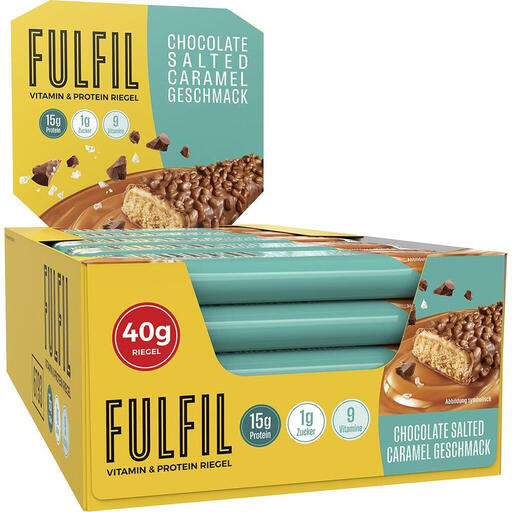 No image available
The 40 g portion makes it easy to compare individual bars as snacks on the go.
Pack of 15 bars at 40 g each. Check the kcal per bar, ingredients and allergen information for this variety on the pack.
 No image available
The 45 g bar is a portioned snack option for a morning on the go.
Pack of 12 bars at 45 g each. Compare the nutrition information per bar, not just per 100 g, and read the ingredients label for your chosen variety.
Compare the kcal per whole bar alongside the bar’s weight and protein content, rather than looking only at the figure per 100 g. According to FULFIL, the 40 g Chocolate Brownie and Chocolate Peanut & Caramel varieties contain 135 and 145 kcal respectively; Barebells lists 167 kcal for its 45 g Hazelnut Spread bar. The different portion sizes are part of the comparison too.
No. The FULFIL varieties described may contain naturally occurring sugars and contain sweeteners. Check the sugar figure in the nutrition information and the ingredients list for the specific variety.
Check the ingredients list and any consumption guidance, especially if you’re planning to eat several products containing them. The consumer advice centre notes that consuming large amounts of sugar alcohols can have a laxative effect; Barebells gives this warning for excessive consumption of Hazelnut Spread.
A bar can tide you over on a hectic morning, but it isn’t automatically a complete meal. If there’s a long wait until your next meal, you could prepare something for later; the Federal Centre for Nutrition suggests, for example, having a small first breakfast and topping it up later.
No. Ingredients and ‘may contain’ warnings can differ, even within the same brand. So check the ingredients list and allergen information on the pack for the exact variety you want to buy.