For a calorie-conscious snack in a larger household, the first thing to check is the stated energy per bar you’ll actually eat, not the highest protein percentage on the front of the pack. Before buying a multipack, also make sure the serving size, ingredients and allergen information are suitable, and that everyone in the household likes the flavour.
Who should compare protein bars?
Calorie-conscious snack planners
If you plan to have a bar as a single snack portion, compare the calories per bar and its weight. For products containing sugar substitutes, the stated energy is a more reliable guide than calculating it yourself using a general formula, as Lebensmittelklarheit explains.
Households with different tastes
If several people will be sharing the supply, flavour, texture and pack size all matter. Trying a smaller quantity or a variety pack can help before buying lots of bars in one flavour. For mixed packs, check the information for every variety included.
Shoppers choosing bars for their protein content
If you want to compare protein content, check the number of grams per bar alongside its serving weight. A percentage on the pack does not automatically tell you how many grams are in an individual bar, as Lebensmittelklarheit points out using a 45-g bar as an example.
What should you look for when buying?
Start with the energy content of the portion you plan to eat. Then check that the pack size and flavour suit your household, and that the ingredients are suitable for everyone who’ll be eating them.
| Criterion |
What to check |
Who it matters most to |
| Calories per serving |
Compare the kcal and weight per bar; use the figures per 100 g as an additional guide. |
If I’m planning to have one bar as a snack, I want to know its energy content rather than compare figures per 100 g alone. For around 44% of shoppers, this serving-size comparison is the priority. |
| Flavour and pack size |
Check the number of bars and the mix of flavours; for a variety pack, check the information for each option. |
If several people will be eating them, I don’t want to buy a large supply of a flavour hardly anyone likes. That’s why around 33% of shoppers prioritise whether the household will enjoy them. |
| Protein and ingredients |
Check the grams of protein per bar, as well as the ingredients, allergens and sweetener information. |
If protein is my main priority, or I need to check the ingredients for others, the front of the pack isn’t enough. Around 23% of shoppers focus primarily on protein content and suitability. |
Common buying mistakes
-
Taking a protein percentage to mean grams per bar
A percentage may refer to 100 g. Lebensmittelklarheit describes a 45-g bar for which the claim of 50 g protein per 100 g did not mean there were 50 g of protein in each bar.
Compare the number of grams listed for an individual bar and take its weight into account.
-
Confusing ‘no added sugar’ with ‘no sweeteners’
A product with no added sugar may still contain sweeteners. The Verbraucherzentrale points out that sugar substitutes provide energy and may have a laxative effect when consumed in larger quantities.
Check the nutrition information, ingredients and consumption advice for the specific flavour together, rather than assuming that a claim on the front tells you everything else about the product.
-
Buying a large pack before trying the flavour
When several people are sharing, tastes in flavour and texture can differ. The nutrition information and ingredients may also vary between bars in the same variety pack.
Try a smaller quantity first and check which varieties are included before choosing a larger pack of a single flavour.
Otherwise, you could be left with bars that nobody in the household wants to eat.
-
Assuming protein bars are a necessary everyday choice
A protein bar is a portioned snack, but its protein content alone doesn’t make it essential. The Verbraucherzentrale points out that you can also get protein from everyday foods.
Decide whether a bar is right for your shop based on the snack portion you want and the ingredients.
Brands to consider
Barebells
Barebells products vary by flavour. For Chocolate Spread, the brand lists 161 kcal and 15 g of protein per 45-g bar; these figures do not apply to the whole range.
- The energy and protein content are given per serving for this bar.
- Chocolate Spread lists milk and soya, and may contain traces of other allergens. Barebells says that excessive consumption may have a laxative effect.
More Nutrition
According to More Nutrition, the More Protein Bar Mix Box contains 12 bars in four flavours from three product ranges. It may suit households that want to try different flavours and textures first.
- The selection lets you try different flavours before buying a larger pack of one variety.
- Check the ingredients and nutrition information for each bar in the pack; ‘no added sugar’ does not rule out sweeteners.
Sportness
dm-drogerie markt’s Sportness range includes a 45-g protein bar that lists 23 g of protein per bar.
- The protein content per serving is available for the bar mentioned.
- This product contains milk, soya and maltitol. The percentage on the front of the pack should not be mistaken for the number of grams per bar.
Protein bars for stocking up
These multipacks of individually portioned bars may suit larger households looking to stock up. Before choosing, compare the nutrition information for the flavour in question and check that its taste and ingredients are suitable for everyone who’ll be eating them.
 No image available
ESN Protein Designer Bar Hazelnut Nougat, 12 × 45 g
A stock-up option in one flavour: before buying, check that everyone in the household will eat Hazelnut Nougat.
The product name states that the pack contains 12 bars of 45 g each. If you have allergies, or might eat several bars, check the ingredients, allergen information and consumption advice on the pack.
View at Joybuy
 No image available
Corny Protein Crunchy Vanilla & White Choc, 12 × 45 g
For shoppers looking for a pack of one flavour of crunchy protein bar who want to compare the serving information for this particular variety.
The product name states that the pack contains 12 bars of 45 g each. If you need to avoid gluten or other allergens, check the current labelling before buying; the information available here isn’t enough to confirm whether it’s suitable.
View at Joybuy
 No image available
Barebells Protein Bar Cookies & Cream, 12 × 55 g
A stock-up option in Cookies & Cream, provided the flavour and ingredients suit everyone who’ll be sharing them.
The product name states that the pack contains 12 bars of 55 g each. Don’t assume that nutrition figures for other Barebells flavours apply to this one; check its information per bar, along with the allergen and consumption advice.
View at Joybuy
 No image available
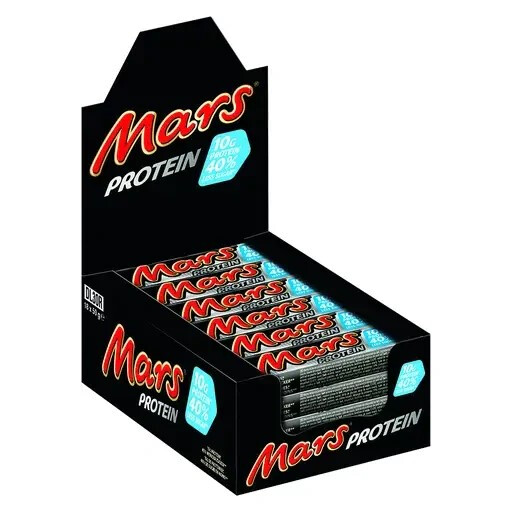
Mars Protein Bars, 18 × 50 g
For households considering a carton with a larger number of individually portioned bars and already familiar with the flavour.
The product name states that the carton contains 18 bars of 50 g each. Compare the energy, sugar and protein using the nutrition information for this variety; a marketing claim comparing sugar content is no substitute for these figures.
View at Joybuy
Frequently asked questions
How do I compare protein bars if I’m watching my calorie intake?
First, compare the stated kcal per bar if you plan to eat a whole bar as a snack. The weight and figures per 100 g can also help you compare different-sized portions; the term ‘low calorie’ on its own isn’t enough.
Does ‘50% protein’ mean there are 50 g of protein in each bar?
No, this kind of percentage may refer to 100 g. Lebensmittelklarheit explains, using a 45-g bar as an example, why the number of grams per bar is what matters when comparing servings.
Do protein bars with no added sugar contain no sweeteners?
No, ‘no added sugar’ does not rule out sweeteners. Check the ingredients list for the specific flavour rather than assuming this claim on the front tells you everything about what’s in it.
What should I know about bars containing maltitol?
Maltitol is a sugar substitute; larger quantities may have a laxative effect, as the Verbraucherzentrale explains. Check the ingredients and consumption advice for the specific bar, particularly if you might eat more than one.


