When stocking up on protein bars, compare the protein in the bar you’ll actually eat with its weight, rather than relying on the figure on the front of the pack. Then check the ingredients, allergens, pack size, best-before date and storage instructions. According to the German Nutrition Society, adults who do recreational sport do not need to increase their protein intake.
Who this guide is for
People who train and keep an eye on portion sizes
If you’re planning to have a bar as a snack, the amount of protein per bar is more useful than a percentage with no portion size attached. The German Nutrition Society notes that adults who do recreational sport do not need to increase their protein intake.
People stocking up on several packs
If you’re planning to eat the bars over a longer period, make sure the pack size suits how quickly you’ll get through them. Check the best-before date and storage instructions on each pack. The consumer advice centre notes that best-before dates apply to unopened food stored correctly.
People looking for specific ingredients
Whether you’re looking for plant-based ingredients or need to avoid certain allergens, the specific variety matters. Check its ingredients list, allergen information and, where relevant, sweetener details before buying several packs.
What to look for when buying in bulk
First, decide how much protein per bar you want to compare. Then consider the pack size, storage requirements and ingredients to see whether a variety is right for the amount you plan to stock up on.
| What to check |
Check when buying |
Who it matters to |
| Protein per bar |
Protein in g per bar and the bar’s weight; don’t treat figures per 100 g as the same as figures per portion. |
If a bar is my planned snack, I want to know how much protein that portion contains. For around 36% of consumers, comparing portions is the main consideration. |
| Stock and storage |
Number of bars, the pack’s best-before date and its printed storage instructions. |
I want to plan for several packs without keeping them longer than intended. Around 29% of consumers focus first on whether the quantity matches how quickly they plan to use it. |
| Ingredients and allergens |
Ingredients list, highlighted allergens, sweeteners and any warnings for the specific variety. |
If I need to avoid certain ingredients or plan to eat several bars, I want to check the recipe in advance. Around 21% of consumers put these ingredient considerations first. |
| Plant-based recipe |
Vegan labelling, protein source and allergens for the specific variety. |
I only consider bars without animal-derived ingredients, but I still need to check that the other ingredients suit me. For around 14% of consumers, a plant-based recipe is the priority. |
Common buying mistakes
-
Confusing protein percentage with protein per bar
Lebensmittelklarheit points out that protein figures on bars often refer to 100 g, while an individual bar weighs less. The percentage alone therefore doesn’t tell you how many grams of protein you’ll get from one bar.
Compare the number of grams per bar with the bar’s weight. If the figure shown is only per 100 g, check the portion information on the pack.
-
Buying several packs without checking the best-before date
According to the consumer advice centre, the best-before date applies to unopened food stored correctly. When buying in bulk, it’s also important to follow the instructions on each pack.
Before you buy, check the best-before date and storage instructions, and make sure you can use the planned quantity within the time you have in mind.
-
Assuming ‘no added sugar’ describes the whole recipe
A no-added-sugar claim doesn’t replace the ingredients list or nutritional information. The consumer advice centre explains that sugar substitutes can have a laxative effect when consumed in larger quantities.
Check which sweeteners are listed and look out for any warnings for the specific variety, particularly if you’re planning to eat more than one bar.
-
Assuming ‘vegan’ means ‘allergen-free’
A plant-based recipe can still contain relevant allergens. Ingredients vary from one variety to another.
If you have an allergy, check the full ingredients list and allergen information on the specific pack.
Protein bar brands to consider
Barebells
Barebells offers classic, soft and vegan protein bars. The manufacturer states that its vegan bars contain 15 g of plant-based protein per bar, while its classic range contains up to 20 g per bar.
- The 12-bar packs available and the protein figures for each range make it easy to compare options when planning your stock.
- The manufacturer’s figures don’t necessarily apply to every variety. Check the specific product, including its ingredients and allergens.
Sportness
dm’s own brand offers protein bars in a range of flavours and weights, including a vegan variety.
- The choice of varieties lets you compare bar weights, ingredients and nutritional information.
- Check the vegan labelling, allergens and sweeteners for the variety you choose.
ESN
ESN states that its Designer Bar range contains up to 15 g of protein per bar.
- The figure per bar can be useful when comparing a specific variety.
- ‘Up to’ doesn’t apply to every variety; check the nutritional information and ingredients of the bar you choose.
Multipacks of protein bars at Joybuy
This selection includes packs of twelve protein bars each. Before stocking up, compare the figures per bar and check the ingredients, best-before date and storage instructions for each variety.
 No image available
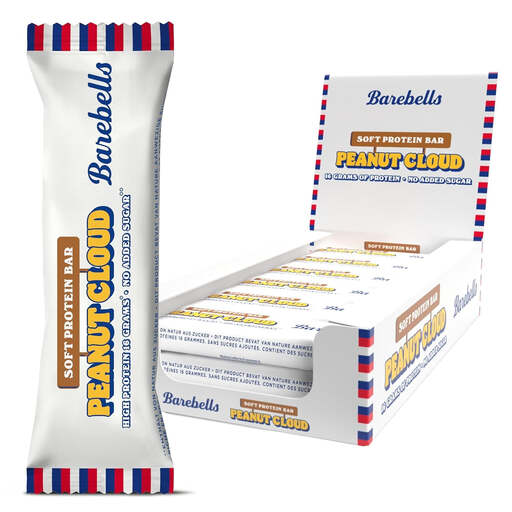
Barebells Soft Protein Bar Peanut Cloud, 12 × 55 g
This pack is a handy way to stock up on one variety. The product name states that it contains twelve bars, each weighing 55 g. Check the protein per bar as well as the ingredients and allergens on the pack.
View at Joybuy
 No image available
Barebells Protein Bar Cookies & Cream, 12 × 55 g
If you’d like to stock up on Cookies & Cream, the product name lists a pack of twelve bars, each weighing 55 g. Compare the protein per bar and read the ingredients and storage instructions before buying.
View at Joybuy
 No image available
Barebells Soft Protein Bar Salted Peanut Caramel, 12 × 55 g
The product name lists twelve bars, each weighing 55 g, making this a handy option if you want to stock up on this flavour. Before choosing it, check the ingredients and allergens for this specific variety, as well as the pack’s best-before date.
View at Joybuy
 No image available
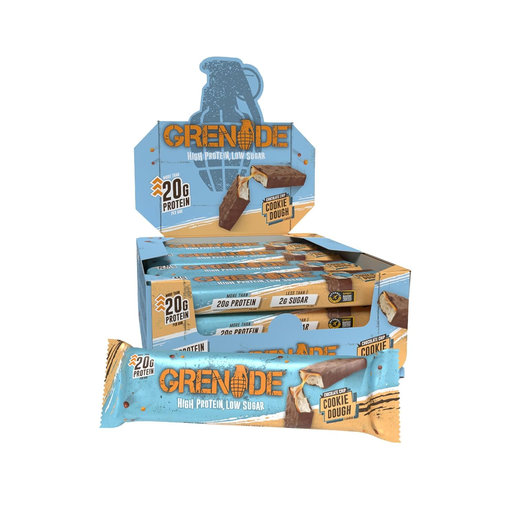
Grenade Carb Killa Choc Chip Cookie Dough, 12 × 60 g
This pack gives you twelve bars for your stock, with each bar weighing 60 g according to the product name. Compare the protein per bar rather than relying only on figures per 100 g, and check the ingredients and storage instructions.
View at Joybuy
 No image available
Corny Crunchy Cookie Flavour Protein Bar, 30% protein, 12 × 45 g
The product name lists twelve bars, each weighing 45 g, with a protein content of 30%. If you’re comparing this pack with other bars, check the stated protein per portion on the pack. The percentage alone doesn’t tell you how much protein is in a portion.
View at Joybuy
Frequently asked questions
What should I check about ingredients and allergens in protein bars?
Check the ingredients list and allergen information for the specific pre-packed variety. According to the EU’s Your Europe information page, mandatory details for pre-packed food include ingredients, allergens, nutritional information and a date mark. Any storage instructions are also important when choosing a product.
Does ‘no added sugar’ mean a bar is sugar-free?
No. The claim doesn’t replace checking the sugar content in the nutritional information or reading the ingredients list. Also check for sweeteners and any warnings: according to the consumer advice centre, sugar substitutes can have a laxative effect when consumed in larger quantities.
What should I bear in mind when storing a supply of protein bars?
Follow the storage instructions on each pack and check the best-before date against how quickly you plan to use the bars. The consumer advice centre explains that best-before dates apply to unopened food stored correctly.
Do I need protein bars after a workout?
You don’t necessarily need a protein bar after a workout. The German Nutrition Society says that adults who do recreational sport don’t need to increase their protein intake. Whether you include a bar as a snack is a separate question of portion size and ingredients.


