
Lieferung heute & morgen

Qualitätsgarantie

Willkommens-Angebote freischalten: KOSTENLOSE Lieferung | Bis zu 80 % RABATT | Kostenlose 30-Tage-JoyPlus-Testphase
App herunterladen
The market for protein bars is diverse and constantly growing. For athletes, fitness enthusiasts, and health-conscious individuals, the question often arises: which bar best meets my needs? Whether as a post-workout snack, an alternative to sweets, or a supplement to your daily protein intake—the selection can be overwhelming.
This guide is designed to provide you with objective orientation. We will highlight the essential criteria you should consider when buying protein bars and present a selection of products that stand out for their specific properties.
To make an informed decision, it's helpful to carefully examine the nutritional information and ingredient lists. Three main aspects are particularly important.
The protein content is the core feature of a protein bar. The amount per bar varies widely but is often between 15 and 25 grams. Equally important is the type of protein:
Make sure the protein source aligns with your diet and goals.
A high-quality fitness bar is often characterized by its low sugar content. Many manufacturers instead use sugar alcohols (polyols) like maltitol, xylitol, or erythritol to add sweetness without significantly spiking blood sugar levels. A low-sugar protein bar is therefore a frequently sought-after feature.
Note the warning on the packaging: excessive consumption of products with polyols can have a laxative effect.
The ingredient list reveals the quality of a bar. A shorter list with recognizable ingredients is often a good sign. Pay attention to the fibre content, which can contribute to satiety, and check for unnecessary fillers or hydrogenated fats.
Flavour is a subjective but crucial criterion. Manufacturers combine various ingredients like nuts, caramel, chocolate coatings, or fruit pieces to create different flavour profiles.
Based on the criteria mentioned above, we have compiled a selection of products. These recommendations are intended to help you compare different options when you want to buy protein bars.
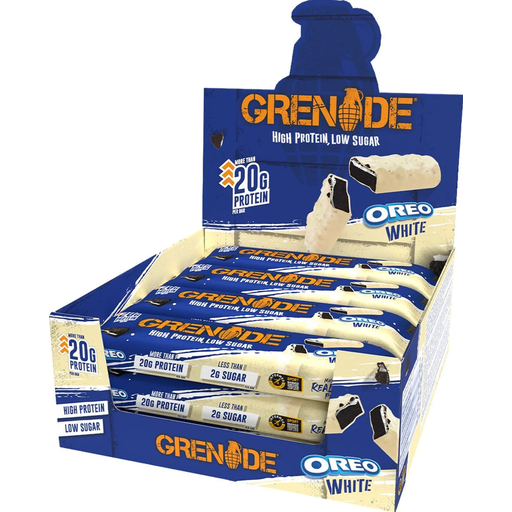
Why it stands out: This bar combines high protein content with the iconic flavour of Oreo cookies. According to the manufacturer, Grenade, it features a vanilla-flavoured cream layer and a nougat core with genuine Oreo cocoa. The standout feature is the sugar-free Oreo pieces, developed exclusively for this product.
Pros:
Who it's for: Individuals looking for a high-protein, low-sugar snack with a distinct cookie and chocolate flavour who consume dairy products.
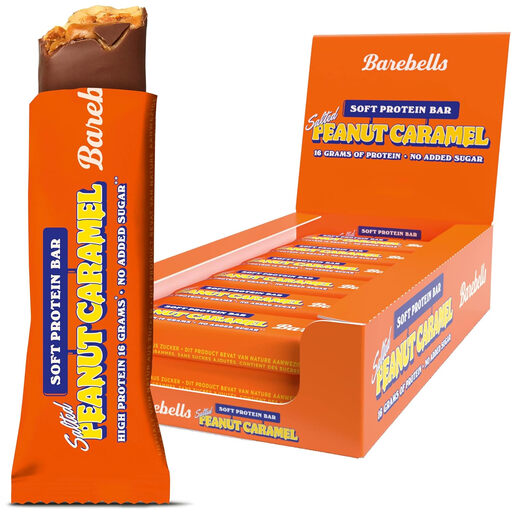
Why it stands out: The Barebells Soft Protein Bar is distinguished by its soft texture and its palm oil-free recipe. The combination of salted peanuts, caramel, and a milk chocolate coating aims for a rich taste experience.
Pros:
Who it's for: Users who value a soft texture and a palm oil-free formula and appreciate the taste of salted caramel and peanuts.
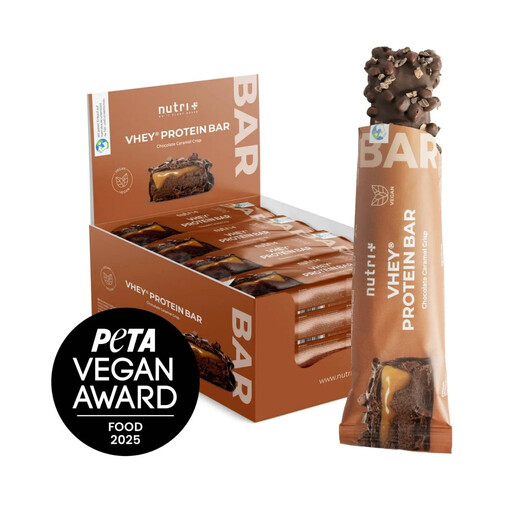
Why it stands out: This bar is a purely plant-based option, making it a clear recommendation for anyone looking for vegan protein bars. It is based on a blend of pea and hemp protein and is coated in dark chocolate.
Pros:
Who it's for: Vegans, vegetarians, and anyone who prefers a plant-based protein source and enjoys a bar with a chocolate-caramel flavour and crispy elements.
If you haven't found the right product for you among these suggestions, there are many other alternatives to discover. The range of fitness bars and high-protein snacks is extensive.
For a wider selection of sports nutrition products, you can browse our Protein & Energy Drinks category.
A protein bar is versatile. Many use it as a post-workout snack to support muscle recovery. However, it's also suitable as a protein-rich snack at the office, on the go, or as an alternative to a sugary chocolate bar when cravings strike.
Buying a box of protein bars is often more economical than buying single bars. Pay attention to the price per bar to compare offers. Also, check the best-before date, especially with larger bulk packs. Some boxes also offer mixed flavours, which is ideal for adding variety to your diet.
A good taste comes from the interplay of high-quality ingredients and a balanced recipe. Factors like the quality of the chocolate coating, the use of real nut or fruit pieces, and a pleasant sweetness without an artificial aftertaste are crucial. The texture—whether soft, crunchy, or chewy—also plays a major role in the overall experience.