Calorie-conscious students
You want to choose a single snack portion while revising, rather than relying solely on the protein or sugar information on the front of the pack. To do that, compare the energy value per bar.


If you’re planning to have a protein bar as a study snack, start by comparing the kcal in the bar you’d actually eat. Protein content, sugar information and ingredients can help you choose, but they don’t replace checking the energy in your portion. Barebells, for example, states that its bars are not low-calorie or reduced-calorie foods.
You want to choose a single snack portion while revising, rather than relying solely on the protein or sugar information on the front of the pack. To do that, compare the energy value per bar.
You’re looking for a bar to enjoy between the library, campus and the journey home, and want to know how much protein it contains in relation to its kcal.
You keep an eye on sweeteners, or need to take milk, soya, peanuts and other declared allergens into account. The ingredient list for the specific variety matters more than a brand’s general image.
For a study snack, start by comparing the kcal in the portion you plan to eat, then check the protein, ingredients and labelling for that variety. You can only relate a value per 100 g to your portion once you know the bar’s weight.
| Buying criterion | What to check | Who it matters most to |
|---|---|---|
| Calories per portion | Kcal per bar; if the information is given per 100 g, check the bar’s weight too. | If I eat a whole bar during a study break, I want to compare its energy content with my own plan. For around 36% of consumers, this is the most important consideration. |
| Protein content | Grams of protein per bar, alongside the kcal for the same portion. | How much protein is in my snack matters too; a percentage on the front of the pack alone doesn’t tell me much. Around 29% of consumers place the greatest importance on protein content. |
| Ingredients and suitability | Ingredient list, highlighted allergens and information about sugar substitutes. | If I need to avoid certain ingredients or keep an eye on sugar substitutes, the recipe matters more to me than the protein figure. For around 21% of consumers, this is their main buying consideration. |
| Animal-free recipe | Vegan labelling and ingredients; check kcal and allergens separately as well. | I want to avoid animal-derived ingredients, so I need to know which protein sources the specific bar contains. Around 14% of consumers put an animal-free recipe first. |
A specific label shows how portion size and energy value work together: dm gives the Sportness Protein Bar Yoghurt-Cereal as 374 kcal per 100 g, with a bar weight of 40 g. That works out at around 150 kcal for this bar. For another variety or bar size, you’ll need to do the calculation using its own information.
Information about added sugar doesn’t tell you the total energy value. Barebells itself states that its bars are not low-calorie or reduced-calorie foods.
Check the kcal per bar independently of the information on the front of the pack, then decide whether the portion fits your study-break plans.
Without knowing the bar’s weight, a percentage doesn’t tell you how much protein you’ll get in one portion. It also doesn’t take the portion’s kcal into account.
Compare grams of protein and kcal per bar. Values per 100 g are an additional basis for comparison when portions differ in size.
The consumer advice centre warns that sugar substitutes can have a laxative effect when consumed in large amounts. According to dm, the Sportness Yoghurt-Cereal bar contains maltitol and carries a relevant warning.
When trying a new variety, read the ingredient list and warnings, especially if you want to take sugar substitutes into account.
An animal-free recipe can still contain plant-based allergens. For example, the share Protein Bites Coconut Almond described by dm contain peanuts and almonds.
For every variety, check the highlighted allergens and, where relevant, any “may contain” warnings on the current packaging.
The following brands offer a range of recipes and portion sizes. Information about protein and ingredients applies to the specific product lines or varieties mentioned, not every product from that brand.
The brand, available at dm, offers protein bars in portions including 40 g and 45 g.
Barebells offers several protein bar ranges, including Original, Soft and plant-based varieties.
ESN’s Designer Bar is a protein bar with a creamy centre.
Layenberger offers high-protein bars in 35 g portions, among other products.
Protein Bites Coconut Almond are a plant-based snack made with pea protein.
This selection includes protein bars in different portion sizes, as well as a portionable chocolate option as a related protein snack. When comparing calories for a study snack, focus on the portion you actually plan to eat; the product name alone won’t tell you what you need to know.
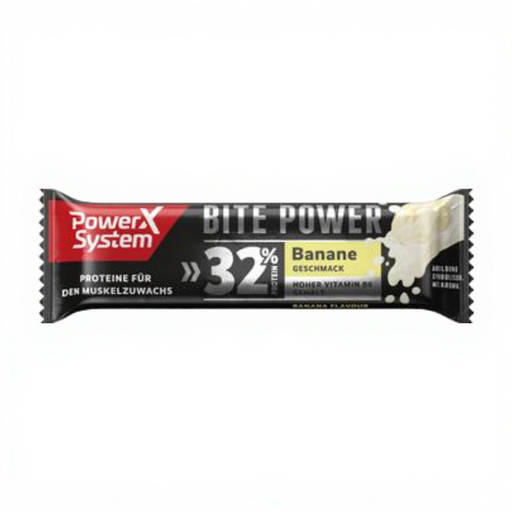 Image unavailable
This 35 g bar may suit you if you’re looking for a smaller bar portion for a study break. Check the packaging for the kcal in this exact portion. If you want to avoid milk protein or bovine collagen hydrolysate, check the ingredients and allergen information before buying.
 Image unavailable
This 50 g bar is an option if you want to compare a whole-bar portion for your study break. Assess its kcal separately from the words “Sugar Free” in the name. When checking the ingredients, pay particular attention to maltitol, milk and soya.
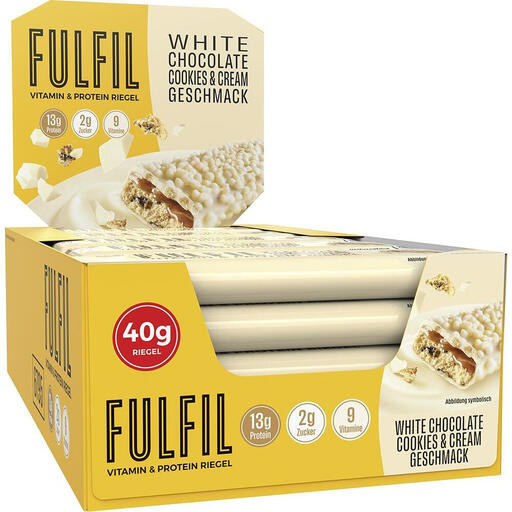 Image unavailable
The pack of 15 bars, each weighing 40 g, is handy if you want to stock up for several study breaks. Compare the nutritional values per 40 g bar, not just for the whole pack. When choosing a variety, check the labelling for milk, other possible allergens and excessive consumption.
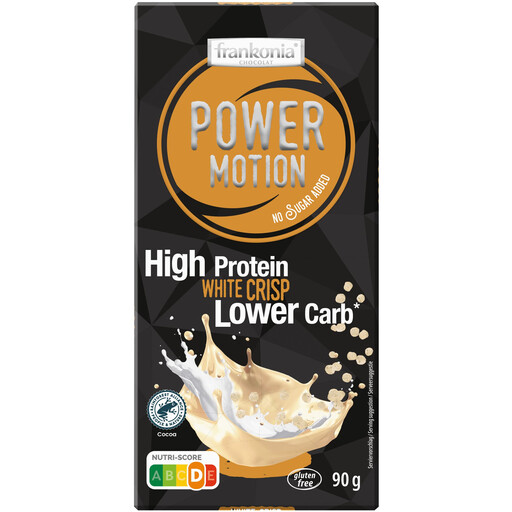 Image unavailable
This 90 g chocolate option is a related snack, not an individually wrapped bar of the same size. If you only plan to eat part of the pack, compare the kcal for the portion you intend to have rather than for the whole pack. Also check the ingredients, particularly if milk, soya or maltitol are relevant to you.
 Image unavailable
The vegan Peanut Caramel variety may suit you if you want to avoid animal-derived ingredients when choosing a bar. The pack contains 12 bars, each weighing 55 g; for a study break, the energy value of a single bar is what matters. For this specific variety, check the ingredient list for peanuts, soya and sweeteners.
No. Information about added sugar doesn’t tell you the total energy in a protein bar. For a study snack, compare the energy value per bar; Barebells also explicitly states that its bars are not low-calorie or reduced-calorie foods.
If you’re watching your calorie intake, start with the kcal in the bar you plan to eat. Then compare the protein, sugar and, where relevant, fibre in the same portion. If the information is given per 100 g, you’ll also need the bar’s weight.
The ingredients and allergen information for the specific variety are what matter. The Federal Office of Consumer Protection and Food Safety explains the labelling of allergenic ingredients in packaged foods; also check “may contain” warnings if they’re important to your choice.
This type of warning may be related to sugar substitutes such as maltitol. According to the consumer advice centre, sugar substitutes can have a laxative effect when consumed in large amounts, so read the ingredient list and warning for each variety.
No, you don’t need a protein bar during study sessions. If you’d like one as a convenient snack, choose it based on portion size, ingredients and your preferences. The consumer advice centre notes that additional protein isn’t generally necessary.