People who are calorie-conscious at work or on the go
When you’re short on time at lunch, an individually wrapped bar is easy to take with you. The energy in the whole bar matters more than a prominent protein claim on the front of the pack.


For a calorie-conscious snack during your lunch break, start by comparing the kcal in a whole protein bar, then check the protein per serving. A high protein content or a ‘no added sugar’ claim doesn’t tell you how much energy the bar provides; ingredients, allergens and serving size can also affect your choice.
When you’re short on time at lunch, an individually wrapped bar is easy to take with you. The energy in the whole bar matters more than a prominent protein claim on the front of the pack.
If you’re planning to have a bar as a protein-rich snack, compare the grams of protein per serving alongside the kcal, bar weight and ingredients. A percentage on its own doesn’t tell you how much protein you’ll actually eat.
If you’re looking for a vegan option or need to avoid certain ingredients, check the specific variety. A vegan label doesn’t replace the ingredients list or allergen and ‘may contain’ information.
For a snack on the go, start by comparing the whole serving. Then decide whether protein content or particular ingredients matter most to you.
| Criteria | What to check | Who it matters to |
|---|---|---|
| Calories per bar | kcal for the whole bar and its weight; if the figures are given per 100 g, take the serving size into account. | During a short lunch break, I want to judge the energy in the snack based on the portion I’ll actually eat. Around 50% of consumers put kcal per bar first. |
| Protein per serving | Compare the grams of protein and kcal per whole bar. | If protein matters most to me in a snack on the go, a high percentage without serving information isn’t enough. For around 30% of consumers, the amount of protein per bar is the main consideration. |
| Ingredients and dietary requirements | Check the ingredients list, allergen and ‘may contain’ information, and, where relevant, the vegan labelling for that variety. | If I follow a plant-based diet or need to avoid certain ingredients, the specific recipe determines what I choose. These requirements come first for around 20% of consumers. |
A figure per 100 g doesn’t tell you the amount in one serving. The examples listed by dm and EDEKA come in different bar weights, so the amount of protein per bar also varies.
Check the number of grams for the whole bar, or work it out using the stated bar weight.
This claim doesn’t tell you how many kcal the bar contains. Barebells explicitly states that its bars are not low-calorie or reduced-calorie foods.
Compare the energy per bar rather than relying on a claim about added sugar.
Ingredients and allergen information can vary between varieties. Check the relevant pack for information about sweeteners and warnings about excessive consumption, too.
Before buying, check the ingredients list, highlighted allergens, ‘may contain’ information and warnings for the flavour you’ve chosen.
A bar can be a convenient snack when you’re out and about. However, the Verbraucherzentrale points out that you can also meet your protein needs with everyday foods that contain protein.
Choose based on the snack occasion. If you eat bars regularly, compare their ingredients and nutritional values with other foods that suit you.
The dm own-brand range includes individually wrapped protein bars, including a variety labelled as vegan.
The brand offers a range of protein bars, including soft and plant-based varieties.
The Designer Bar may suit consumers who mainly want to compare the amount of protein per serving in their snack.
The EDEKA range includes protein bar varieties, including a vegan Brownie flavour.
This selection includes individually wrapped protein bars to compare for snacking on the go, as well as a variety described as vegan. Compare the information on each pack, especially if kcal per bar or specific ingredients matter to you.
 Image unavailable
A portioned snack for when you’re out and about: the pack contains 12 bars, each weighing 45 g. For comparison, check the kcal and grams of protein per bar, as well as the ingredients and allergen information for this variety.
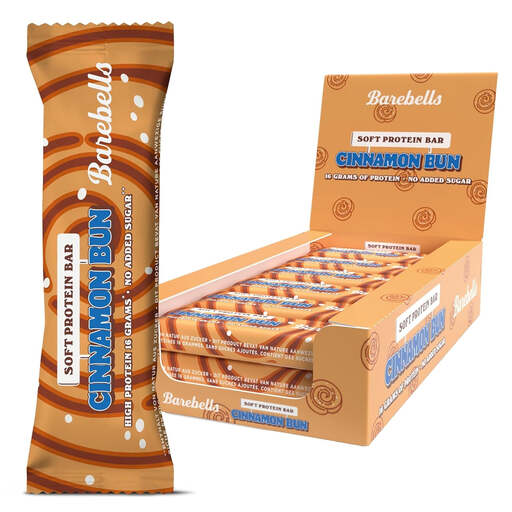 Image unavailable
An individually wrapped option for when you’re out and about, with 12 bars weighing 55 g each. Compare the nutritional values per whole bar, and read the ingredients and warnings for the Cinnamon Bun variety.
 Image unavailable
The pack contains 12 bars weighing 55 g each, so you can compare the nutritional values per bar with other serving sizes. Before choosing, check the ingredients and allergen information for Cookies & Cream, too.
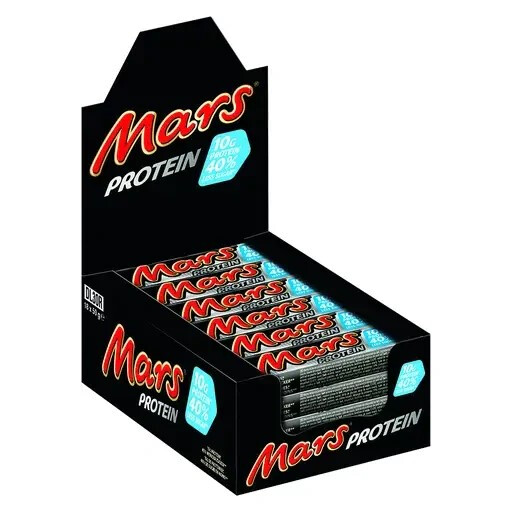 Image unavailable
For comparing serving sizes, the box contains 18 bars weighing 50 g each. If the nutritional values are given per 100 g, take the weight of a whole bar into account; check the allergen information as well.
 Image unavailable
This variety, labelled as vegan, may suit you if a plant-based recipe is your priority; the pack contains 12 bars weighing 55 g each. Check the ingredients and allergen information separately, as vegan doesn’t mean allergen-free.
No. ‘No added sugar’ doesn’t tell you how many kcal are in a bar. Barebells itself points out that its bars are not low-calorie or reduced-calorie; when choosing, check the nutritional information for the whole serving.
Check the ingredients and allergen and ‘may contain’ information for the exact variety you want to buy. A protein bar labelled as vegan can still contain ingredients such as soya, wheat or peanuts.
Bars containing certain sweeteners or polyols may carry a relevant warning. If you’re planning to have several bars or are sensitive to these ingredients, read the ingredients list and warning on the specific pack.