When choosing a protein bar for camping, don’t go by the words ‘High Protein’ alone. What matters is the amount of protein per bar, the rest of its nutritional values and whether the ingredients suit your plans for the day. A compact protein bar could be a good option for a short break; if you’re looking for a snack with oats and carbohydrates, compare oat protein bars. If you’re vegan or have allergies to consider, always check the labelling for the specific variety.
Who might be interested in these bars?
Active campers looking for a quick snack
If you want a ready-to-eat, packaged snack with a stated protein content while hiking, cycling or putting up your tent, you can compare the protein and energy in each bar. According to the European Commission, nutrition labels show these values, among others.
Campers who focus on ingredients and allergens
If you want to avoid certain ingredients or choose a vegan variety, check the labelling on each bar. According to the European Commission, allergenic ingredients must be highlighted in the ingredients list on pre-packed foods.
Trip planners looking for a snack between meals
If you’re looking for oats, carbohydrates or fibre as well as protein, it’s worth checking the ingredients. ESN lists oats, carbohydrates, fibre, fruit and nuts in its GOAT Bar; whether it suits you depends on the specific serving and your plans for the day.
What should you look for when buying?
First, decide which ingredients are right for you. Then compare the protein and energy per bar, rather than looking only at the figures per 100 g. This makes it easier to compare different serving sizes for a camping break.
| Criteria |
What to check |
Who it matters to |
| Protein per serving for a short break |
Check the protein in g and energy in kJ or kcal per bar, taking the serving size into account. |
If I’m taking a short break after an activity, I want to know how much protein there is in one serving. This is the main consideration for around 42% of consumers. |
| Ingredients and suitability |
Check the highlighted allergens and sweeteners in the ingredients list for the specific variety. |
If I need to avoid certain ingredients or be careful with sweeteners, the recipe matters more to me than getting as much protein as possible. This is the top priority for around 33% of consumers. |
| A snack for longer days on the trail |
Check the carbohydrates, energy and ingredients such as oats per bar; follow the storage instructions. |
Between meals on a longer trip, I’m looking for a snack whose ingredients fit my plans for the day. This is the top priority for around 25% of consumers. |
Which mistakes can you avoid?
-
Taking ‘High Protein’ as a verdict on the whole bar
A protein claim doesn’t automatically tell you about the sugar, fat, salt or energy content. The Verbraucherzentrale explains that EU rules apply to nutrition claims in advertising, but you should still compare the product’s overall nutritional content.
Compare the nutrition information and ingredients for the specific variety, using the same serving size where possible.
-
Trying a bar containing sugar alcohols for the first time while out on a trip
The Verbraucherzentrale points out that large amounts of sugar substitutes can have a laxative effect. This can be particularly inconvenient on a trip.
For example, check the ingredients list for maltitol, sorbitol, xylitol or isomalt. If you need to be cautious with new ingredients, don’t make a remote trip your first chance to try one.
-
Assuming ‘vegan’ means ‘free from allergens’
A vegan recipe can still contain ingredients such as nuts, wheat or soya. According to the European Commission, allergenic ingredients must be highlighted on pre-packed foods.
Read the ingredients and allergen information for the variety you’ve chosen, not just the name of the product range.
-
Leaving bars unprotected in your camping gear
Heat, light and moisture can affect the quality of food. The Federal Centre for Nutrition recommends storing food in suitable places and containers.
Follow the storage instructions on the pack and keep the bars somewhere dry and, if possible, out of direct sunlight.
Brands and product ranges to consider
Barebells
Barebells offers protein bars in several varieties, including Soft and Gooey bars. The brand states that its Gooey Bars launched in Germany contain 15 g of protein per bar.
- Different textures make it easier to choose a bar to suit your personal preference.
- Check the protein content, ingredients and allergens for the variety you choose; information about one product range doesn’t necessarily apply to every variety.
IronMaxx
Alongside its Protein 30 range, IronMaxx offers a Vegan 30 range. The manufacturer says the latter uses plant-based protein sources from peas, fava beans and rapeseed.
- The separate product ranges give you a starting point for finding a variety specifically labelled as vegan.
- Check the ingredients, allergens and nutritional values on the specific packaging; a vegan label doesn’t answer every question about suitability.
ESN
ESN offers Designer Protein Bars and GOAT Bars. The brand describes the GOAT Bar as a combination of protein, oats, carbohydrates, fibre, fruit and nuts.
- The ingredient information helps you distinguish between a classic protein bar and an oat protein bar.
- Compare the energy, serving size and allergens for each variety, especially if nuts are a concern for you.
PowerBar
PowerBar offers several Protein Plus formats. The manufacturer states that the 52% Protein Plus bar contains 26 g of protein per bar.
- The stated protein content can be compared with other bars on a per-serving basis.
- The protein figure alone doesn’t tell you whether the energy, ingredients and serving size suit the snack you have planned.
Protein bars at Joybuy
This selection includes packaged protein bars for short breaks while camping, as well as one variety specifically labelled as vegan. Check the exact recipe for each bar; these products aren’t representative of every type of camping snack.
 No image available
Barebells Protein Bar Cookies & Cream, 12 × 55 g
A packaged protein bar for a quick break while you’re out and about.
The product information states that each 55 g bar contains 20 g of protein and should be stored at room temperature. It contains milk, soya and sweeteners, including maltitol; also check the stated potential traces of other allergens.
View at Joybuy
 No image available
Frankonia Sugar Free Nutrition Bar Chocolate Brownie, 50 g
A snack bar for anyone who wants to compare energy and fibre per serving as well as protein.
The product information states that each 50 g bar contains 10 g of protein, 149 kcal, 15.5 g of fibre and 8.5 g of polyols. It contains milk and soya; check the information about potential traces of wheat, nuts and egg. According to the product information, excessive consumption may have a laxative effect due to the maltitol. Store in a cool, dry place.
View at Joybuy
 No image available
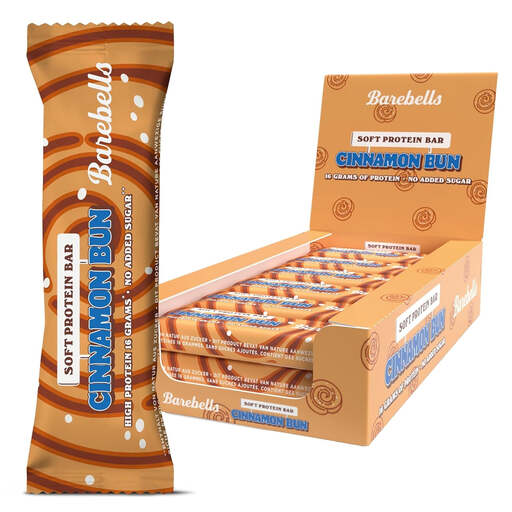
Barebells Soft Protein Bar Cinnamon Bun, 12 × 55 g
An individually wrapped protein bar for a short break or after an activity.
The product information states that each 55 g bar contains 17 g of protein, and that the recipe includes milk protein and collagen. This means it isn’t suitable for a plant-based diet. It contains several sweeteners; according to the product information, excessive consumption may have a laxative effect. Store in a cool, dry place.
View at Joybuy
 No image available
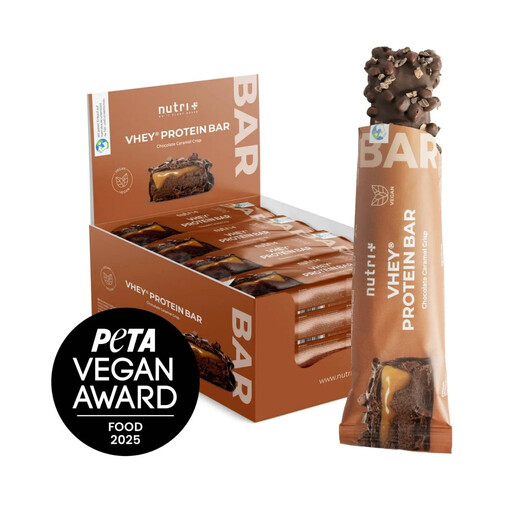
Nutri+ Whey Protein Bar Chocolate Caramel Crisp, 12 × 50 g
A protein bar described as a snack to take with you.
The description states that each 50 g bar contains 13 g of protein, as well as pea and hemp protein. However, the product name includes ‘Whey’, while the description calls this variety vegan. If you need to avoid animal-derived ingredients, check the recipe against the current packaging; also check the nutritional values per bar.
View at Joybuy
 No image available
Barebells Vegan Protein Bar Peanut Caramel, 12 × 55 g
A variety specifically labelled as vegan, for a packaged snack on the go.
The protein figures differ: the product highlight states 15 g, while the nutrition table lists 14.3 g per bar. Check the figure on the current packaging. The ingredients list includes wheat, soya and peanuts, as well as maltitol and sucralose; also check for potential traces of other allergens. Store in a cool, dry place.
View at Joybuy
Frequently asked questions
Can any snack bar be labelled ‘High Protein’?
No. As the Verbraucherzentrale explains, EU rules apply to nutrition claims. But that claim alone doesn’t tell you everything about the bar: also compare the energy, sugar, fat, salt and ingredients of the variety you’ve chosen.
What information should I check on a packaged protein bar?
Start with the ingredients list, highlighted allergens, nutrition information and date marking. The European Commission lists these as information provided on pre-packed foods; for your camping plans, serving size and any storage instructions are important too.
Is a reduced-sugar protein bar automatically a better choice for a trip?
No. Check the other nutritional values and ingredients too. Reduced-sugar bars may contain sweeteners; the Verbraucherzentrale warns that large amounts of sugar substitutes may have a laxative effect.
How should I store protein bars when camping?
Follow the storage instructions on the pack and protect the bars from heat, light and moisture as far as possible. Before setting off, also check the date marking and the condition of the packaging; the Federal Centre for Nutrition recommends suitable containers and storage places to protect food.


