What should you look for when buying?
Start with what matters most for your trip: protein content, convenience on the go, or ingredients and tolerance. Then compare the information on the specific pack.
| What to consider |
What to check |
Who is it important for? |
| Protein content |
Compare protein per 100 g and per bar, and check the other nutritional information too. |
If sport is part of my camping plans, I want to know how much protein is in the portion I’ll actually take with me. For around 50% of consumers, comparing protein is the main consideration when choosing. |
| Portion and portability |
Check the weight of each bar, the packaging and the storage instructions for your planned route. |
For a day’s hike, I need a portion that fits in my rucksack and needs no preparation. Easy portability is the main concern for around 30% of consumers. |
| Ingredients and tolerance |
Read the ingredients, allergen and traces information, and any advice about polyols on the specific pack. |
If I need to avoid certain ingredients, a high protein content alone won’t help me decide. Around 20% of consumers prioritise this information when choosing. |
Brands to help guide your choice
These examples show different types of bar and the information given on their packaging. The features listed apply to the specific varieties mentioned, not to a brand’s entire range.
CORNY
CORNY Nuts & Protein Chocolate is a nut and cereal bar with a stated protein content. REWE describes it as an individually wrapped portion.
- REWE states that it contains 9.5 g of protein per portion.
- The variety described contains peanuts, almonds, soya and milk ingredients.
MAX BALANCE (EDEKA)
EDEKA lists the MAX BALANCE Stracciatella protein bar as a 45-g bar containing 50 g of protein per 100 g.
- The portion weight and protein content per 100 g are stated for this variety.
- The ingredients include milk and soya protein, as well as collagen hydrolysate. EDEKA also notes that traces of other allergens may be present.
REWE PWR
REWE PWR includes protein bars; the Brownie bar described weighs 45 g.
- REWE states that the Brownie bar contains 13.5 g of protein and 7.5 g of fibre per bar.
- It contains milk and soya protein, as well as sugar alcohols. REWE advises storing it in a cool, dry place.
ALDI SPORTS
ALDI SÜD and ALDI Nord sell various protein bars under the ALDI SPORTS brand. The details vary by variety and pack.
- For its Nougat high-protein bar in a pack of 3 × 45 g, ALDI SÜD states that it contains 36 g of protein and 14 g of fibre per 100 g.
- For the same variety, ALDI SÜD states that it contains 19 g of polyols per 100 g and gives serving advice. Always refer to the information on the pack you buy.
Bars for your camping plans at Joybuy
This selection includes protein bars and a nut bar for portioned snacks on the go. For each variety, compare the pack information with your requirements for ingredients, portion size and storage.
 No image available
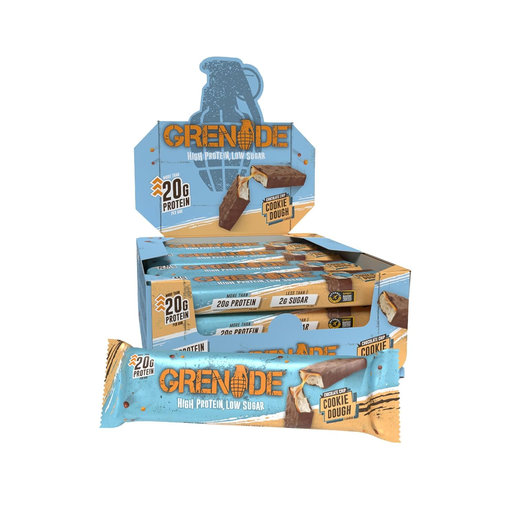
Grenade Carb Killa Choc Chip Cookie Dough, 12 × 60 g
This multipack could be handy if you’re planning several snacks. For portion planning, check the nutritional values, ingredients and serving advice on the pack.
View at Joybuy
 No image available
Corny Protein Crunchy Vanilla & White Choc Flavour, 12 × 45 g
The 12-pack could see you through several days on the trail. The product name states 30% protein; if the protein content per bar matters to you, check the portion information. If you avoid gluten, pay particular attention to the labelling on the specific pack.
View at Joybuy
 No image available
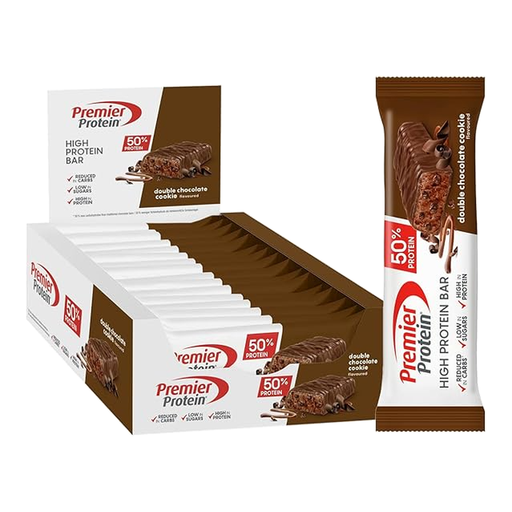
Premier Protein High Protein Bar 50 % Double Chocolate Cookie, 16 × 40 g
This multipack could be a good fit if you’re planning to take several bars on your trip. The product name states 50% protein; to plan by the bar, check the nutritional information and serving advice on the pack.
View at Joybuy
 No image available
Power System 32 % Protein Bite Power, Banana, 35 g
The 35-g bar could be a handy light snack on the go. The product name states 32% protein; for a like-for-like portion comparison, check the nutritional information for the specific bar.
View at Joybuy
 No image available
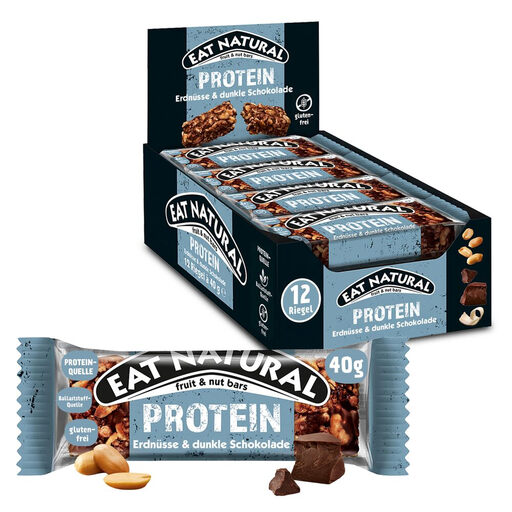
Eat Natural Protein Bars Peanuts & Dark Chocolate, 12 × 40 g
The 40-g bars in this multipack can be packed as individual snacks for the journey. If you need to avoid peanuts or other allergens, check the ingredients and traces information on the specific pack.
View at Joybuy
Frequently asked questions
Is the “High Protein” label enough to help me choose?
No. It doesn’t replace checking the full nutritional information. The Consumer Advice Centre recommends looking at the labelling, particularly for high-protein products. For a camping snack, the actual portion size and ingredients matter too.
How do I compare bars of different sizes?
First compare the nutritional values per 100 g, then compare them per actual bar. This helps you make sense of the figures for bars of different sizes without mistaking a percentage for the amount of protein in a portion.
Are protein bars with less sugar automatically easier to tolerate?
No. Sugar content alone doesn’t tell you how well a bar will suit you. ALDI SÜD lists polyols in one high-protein bar and warns on the product label that excessive consumption may have a laxative effect.
What should I check before a trip if I have allergies?
The ingredients and allergen information on the specific pack are what matter. The bars described by EDEKA and REWE contain, among other things, milk and soya ingredients, and may contain traces of other allergens. Information for a different variety isn’t enough to check this properly.
Where can I check for recalls of food I’m taking with me?
In Germany, the relevant state authorities and the Federal Office of Consumer Protection and Food Safety provide information about food recalls. If a recall is announced, check the product name, batch number and best-before date against your pack.


