When you’re camping, don’t judge a bar on its ‘High Protein’ label alone. Compare the protein content per bar and check the nutritional information, ingredients, allergens and storage instructions too. A bar labelled vegan may suit a plant-based diet, but that doesn’t automatically mean it’s free from allergens or sweeteners. Protein bars are a handy snack on the go, not a blanket replacement for varied meals.
Who might find protein bars useful when camping?
Active campers keeping an eye on their protein intake
After a hike, bike ride or workout, you might want to pack a handy snack and know how much protein each bar contains. Compare the amount per serving rather than looking only at the figures per 100 g.
Campers following a plant-based diet or managing allergies
If you avoid animal-derived ingredients or need to account for particular allergens, check the specific variety. A vegan label is no substitute for reading the ingredients list and checking for possible traces.
Campers choosing a sweet snack with care
If sugar and sweeteners matter to you, check the nutritional information, ingredients and warnings, as well as the front of the pack. If you’re taking several bars on a trip, warnings about excessive consumption may be relevant.
What should you look for when choosing one?
First decide whether the protein content per bar or a particular recipe matters most to you. Then check whether the ingredients and storage instructions suit your trip.
Milk protein bar
A good fit if: You want to compare the stated protein content per serving and milk ingredients are suitable for you.
Keep in mind: Ingredients such as soya or collagen, as well as possible allergen traces, vary by product. This type of bar is not a vegan option.
Bar labelled vegan
A good fit if: You’re looking for a bar made entirely from plant-based ingredients for a camping snack.
Keep in mind: Vegan doesn’t mean allergen-free: depending on the variety, it may contain wheat or soya, for example, or carry a warning about other allergen traces.
| What to consider |
What to check when buying |
Who it matters most to |
| Protein per serving |
Protein content and weight per bar, as well as the nutritional information per 100 g. |
After a trip, I want to know how much protein the bar in my rucksack actually contains. For around 33% of consumers, this serving amount is their top priority. |
| Ingredients and sweeteners |
Ingredients list, sugar content and warnings about sweeteners or excessive consumption. |
If I’m packing several sweet snacks, I want to know which ingredients they contain and check any warnings beforehand. Around 27% of consumers put this first. |
| Diet and allergens |
Vegan labelling, highlighted allergens and possible traces for the specific variety. |
The variety I buy needs to meet my dietary or allergen requirements. This is the most important criterion for around 20% of consumers. |
| Transport and storage |
Pack size, best-before date and specific instructions about heat, dryness and sunlight. |
I want to carry bars in my day rucksack and store them appropriately at the campsite. Around 20% of consumers look at these conditions first. |
Common buying mistakes
-
Judging the whole bar by its protein claim
The protein figure alone doesn’t tell you about the full nutritional profile or the ingredients. Germany’s consumer advice centre recommends taking a closer look at the nutritional labelling on high-protein products.
Compare the protein per bar with its energy, sugar and fat content, then read the ingredients list.
-
Confusing ‘no added sugar’ with ‘no sweeteners’
Some protein bars contain sweeteners or sugar alcohols. Certain varieties carry a warning that excessive consumption may have a laxative effect.
Check the ingredients and warnings for the specific variety, especially if you’re planning to take several bars on a trip.
-
Assuming vegan means allergen-free
Bars labelled vegan may still contain ingredients such as wheat or soya and carry warnings about possible traces of other allergens.
If you have allergen requirements, check the ingredients and trace warnings for each variety rather than relying on the vegan logo alone.
-
Ignoring storage instructions for your trip
Storage instructions vary between the varieties reviewed: a Barebells bar is labelled for storage at room temperature, while the vegan examples from Sportness and HEJ should be kept in a cool, dry place.
Follow the instructions on the pack you buy when transporting and storing your bars at the campsite.
Brands to consider
Barebells
Protein bars in a range of recipes, including varieties labelled vegan.
- The Hazelnut Spread bar listed by REWE provides 15 g of protein per 45 g bar and, according to the product information, should be stored at room temperature.
- This variety contains milk protein, collagen hydrolysate, soya protein and sweeteners. Its ingredients and possible allergen traces can’t be assumed to apply to other Barebells varieties.
Powerbar
The German range includes protein bars with different features, including vegan options and Protein+ Fibre bars.
- The range overview is a useful starting point for narrowing down recipes according to what matters to you.
- Check the nutritional information, allergens and storage instructions for the variety you choose. A product-line name doesn’t describe every variety.
ESN
The brand’s range includes Designer Protein Bars and GOAT Bars.
- ESN states that its Designer Protein Bar contains up to 15 g of protein per bar.
- According to ESN, the range contains milk protein and uses sweeteners. If you need to avoid plant-based ingredients or particular allergens, check the specific variety.
Sportness
The Banana Bread variety listed by dm is a protein bar labelled vegan.
- This variety provides 25 g of protein and 16 g of fibre per 100 g. The storage instructions recommend keeping it in a cool, dry place away from direct sunlight.
- The recipe contains wheat gluten, soya and sweeteners. The product information also warns that excessive consumption may have a laxative effect.
HEJ Natural
The Crispy Double Chocolate variety listed by dm is a protein bar labelled vegan.
- The 45 g bar provides 11 g of protein, with peas and fava beans listed as protein sources.
- This variety contains sweeteners and may contain traces of gluten, eggs, peanuts, soya, milk and nuts, among other allergens.
Protein bars at Joybuy
This selection includes individual protein bars for snacking on the go, including one variety labelled vegan. Compare pack sizes and check the ingredients, nutritional information and storage instructions for each variety before your trip.
 No image available
Barebells Protein Bar Cookies & Cream, 12 × 55 g
A good option if you’re planning your camping shop around individual bars from a pack of 12. Compare the protein content per 55 g bar and check the pack for milk and soya ingredients, sweeteners and storage instructions.
View at Joybuy
 No image available
Premier Protein 50% Bar Chocolate Caramel, 16 × 40 g
For anyone planning to take 40 g bars on the go and compare the protein content per serving. The pack contains 16 bars. Check the specific variety for sugar, sweeteners, allergens and storage instructions.
View at Joybuy
 No image available
Barebells Vegan Protein Bar Peanut Caramel, 12 × 55 g
If you’re looking for a bar labelled vegan in a pack of 12, check the protein content per 55 g bar on the current packaging. Also check the ingredients and allergen information for wheat, soya and peanuts, as well as the storage instructions.
View at Joybuy
 No image available
Barebells Soft Protein Bar Salted Peanut Caramel, 12 × 55 g
For anyone who’d like to take 55 g bars from a pack of 12 as a snack. For this variety, check the information about peanuts, milk and soya, sweeteners and protection from direct sunlight.
View at Joybuy
 No image available
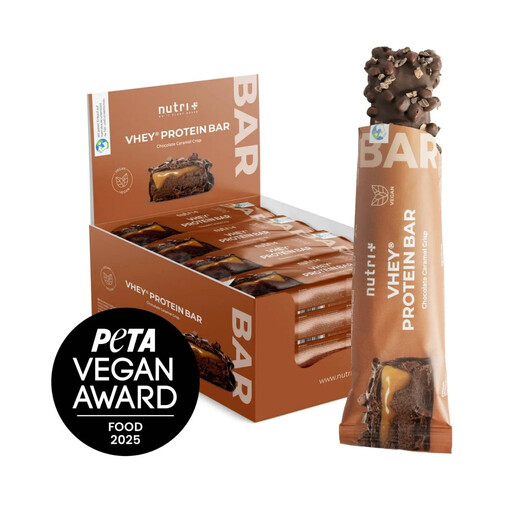
Nutri+ Whey Protein Bar Chocolate Caramel Crisp, 12 × 50 g
A practical option if you’re planning to take individual 50 g bars from a pack of 12. If the protein content or a plant-based recipe is key to your choice, check the current packaging particularly carefully: the name ‘Whey’ and a description of a plant-based recipe don’t clearly match. Check the nutritional information and allergens too.
View at Joybuy
Frequently asked questions
Is ‘High Protein’ enough to go on when choosing a bar for camping?
No. The label alone doesn’t tell you about the full recipe. Germany’s consumer advice centre recommends checking the nutritional labelling on high-protein products carefully. In particular, compare the protein per bar with its energy, sugar and fat content, and read the ingredients list.
Can a vegan protein bar contain allergens?
Yes. Bars labelled vegan may still contain other relevant ingredients and carry warnings about possible allergen traces. For example, the Sportness Banana Bread bar listed by dm contains wheat gluten and soya, so always check the information for the specific variety.
How should I store protein bars when camping?
Follow the storage instructions on the pack for the variety you’ve bought. The Barebells Hazelnut Spread bar listed by REWE should be stored at room temperature, while the vegan varieties from Sportness and HEJ reviewed here should be kept in a cool, dry place. Sportness also advises keeping its bar out of direct sunlight.
Do protein bars replace a meal when camping?
A protein bar shouldn’t be treated as a blanket replacement for varied meals. Germany’s consumer advice centre notes that most people in Germany don’t need extra protein. Choose a bar as a snack, taking the portion, ingredients and your dietary requirements into account.


