For a calorie-conscious camping snack, first compare the kcal in the bar you’ll actually eat, then check its protein content, ingredients and allergens. A high protein content or a ‘no added sugar’ claim doesn’t tell you how many calories are in a portion. If the weather is warm, the storage instructions for the specific variety should also inform your choice.
Who should compare these bars?
Calorie-conscious campers looking for a snack
If you’re planning a sweet snack while you’re out and about, the kcal per bar you eat is more useful than individual marketing claims. Check the bar’s weight too: figures per 100 g don’t directly reflect your portion.
Active campers focused on protein
A bar can be a convenient snack for a hike or bike ride. What matters is how much protein is in the specific portion – not just the percentage of protein.
Shoppers mindful of ingredients and allergens
If you need to avoid certain ingredients or don’t tolerate sweeteners well, check the ingredients and allergen information for each variety. Recipes can vary even within the same product range.
What should you look for when buying?
Start with the energy in the portion you’ll actually take with you and eat. Then check the protein content and ingredients, along with the storage instructions for your trip.
| What to consider |
What to check when buying |
Who should pay particular attention |
| Calories per bar |
Compare the kcal and weight per bar you’ll eat. If the figures are given per 100 g, work them out for your actual portion. |
If you want to fit a sweet snack into your personal daily allowance, you’ll need a clear energy value per portion; around 36% of consumers put this criterion first. |
| Protein per portion |
Check the grams of protein per bar and its weight; the percentage of protein isn’t the same as the amount in your snack. |
For a hike, you’ll want a convenient bar with a clearly stated protein portion; this is the main priority for around 29% of consumers. |
| Ingredients and allergens |
Read the ingredients list and allergen information for the variety, especially when it comes to sweeteners and animal-derived ingredients. |
If allergens, animal-derived ingredients or personal tolerances limit your choice, the specific recipe is what matters; around 21% of consumers prioritise this. |
| Storage while you’re out |
Check the storage instructions and make sure the packaging is suitable for taking on your trip. Keep bars away from direct sunlight and heat. |
In warm camping weather, you’ll want your snack to have been stored as directed even after you’ve taken it with you; this is the top buying priority for around 14% of consumers. |
Which mistakes can you avoid?
-
Assuming ‘no added sugar’ means low in calories
Even a bar with no added sugar can contain a significant amount of energy for your portion because of its other ingredients. Portion sizes also vary between protein bars.
Compare the kcal per bar before using protein or sugar claims to guide your choice.
-
Leaving it until your trip to check the ingredients
Barebells lists maltitol and sucralose among the ingredients in Chocolate Spread and warns that excessive consumption may have a laxative effect. Ingredients may differ in other varieties.
Read the ingredients and warnings before you travel. If you’re sensitive to certain ingredients, only take varieties whose ingredients you’ve checked.
-
Leaving bars in a hot car
According to the Verbraucherzentrale, temperatures in a car in the sun can reach 30 to 40 °C. ESN recommends storing its Designer Protein Bars in a dry place, protected from light and heat.
Store the bars according to the instructions on the packaging, and don’t leave them in your vehicle for long periods on warm days.
-
Thinking a protein bar is an essential camping food
A high protein content alone doesn’t make a bar a meal replacement or necessarily the right choice for your personal calorie allowance. The Verbraucherzentrale notes that extra protein is often unnecessary, even when you exercise.
Choose a bar based on its specific role as a snack, its nutritional information and how well you tolerate it. Plan your camping meals separately.
Brands and product ranges to consider
The details below apply to the product ranges or varieties mentioned, not necessarily to every bar made by each brand.
Barebells
The brand offers sweet protein bars in a range of flavours and portion sizes.
- Barebells lists 161 kcal and 15 g of protein per 45-g bar for Chocolate Spread. This variety-specific figure is useful when comparing individual snack portions.
- According to Barebells, Chocolate Spread contains milk and soya ingredients, as well as maltitol and sucralose. The brand also mentions possible traces of other allergens and warns against excessive consumption.
ESN
The nutritional information for the Designer Protein Bar varies by flavour.
- ESN lists 14 to 15 g of protein per 45-g bar, depending on the flavour. For your choice, compare the calorie information for the specific variety too.
- ESN recommends storing the bars in a dry place, protected from light and heat – something to bear in mind when storing them while camping.
Layenberger
The High Protein Cranberry-Cassis variety is described as a 35-g bar with a protein content of over 44%.
- If protein content matters to you, check this information alongside the bar’s weight. For a calorie-conscious choice, also check the kcal listed on the packaging.
- According to Layenberger, Cranberry-Cassis contains milk, whey and soya protein, as well as bovine collagen hydrolysate. This variety is therefore not suitable for a vegan diet; check the ingredients carefully if you have relevant allergies.
Protein bars at Joybuy
These packs of bars could work as camping snacks if you choose a portion based on the information on the packaging. Before buying, compare the nutritional information for each variety and check that the packaging and storage instructions suit your trip.
 No image available
Corny Protein Crunchy Vanilla & White Choc Flavour, 12 × 45 g
These 45-g bars are a portion-sized option if you’re choosing a camping snack based on the energy in each bar you eat.
The product name states 30% protein. Compare the nutritional information for this variety and check the ingredients and storage instructions on the packaging.
View at Joybuy
 No image available
Barebells Protein Bar Cookies & Cream, 12 × 55 g
The 55-g portion could suit you if you want to weigh up the calories and protein per bar together.
Check the nutritional information for Cookies & Cream itself: the figures for Barebells Chocolate Spread don’t automatically apply to this variety. Check the ingredients and storage instructions too.
View at Joybuy
 No image available
Barebells Vegan Protein Bar Peanut Caramel, 12 × 55 g
If you’re looking for a variety described as plant-based to take with you, check the full ingredients and allergen information for this 55-g bar.
Compare the kcal per bar with your calorie allowance. Check the protein information against the specific pack before adding it to your selection.
View at Joybuy
 No image available
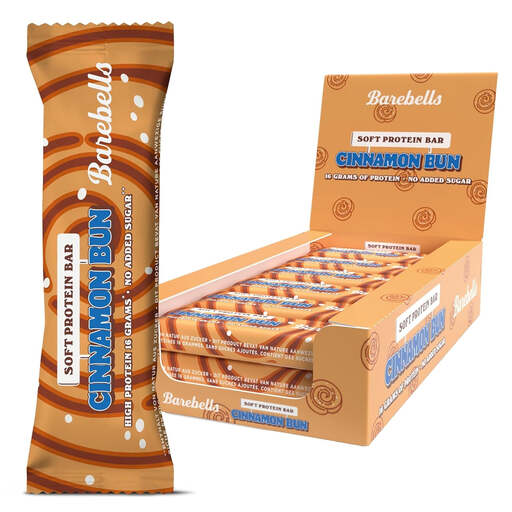
Barebells Soft Protein Bar Cinnamon Bun, 12 × 55 g
The product name gives you a clearly stated 55-g portion to compare with other bars as a snack on your trip.
Check the kcal and protein per bar on the specific pack, along with the ingredients and storage instructions for warm conditions.
View at Joybuy
 No image available
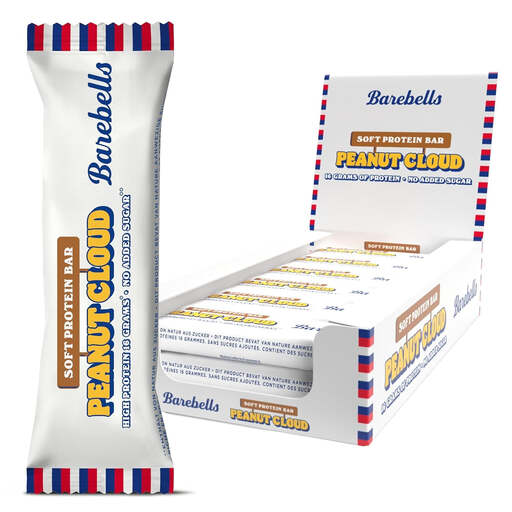
Barebells Soft Protein Bar Peanut Cloud, 12 × 55 g
You can compare this 55-g portion with the camping snack you have planned by considering the energy and ingredients for the variety together.
Check the kcal and protein per bar before buying. As this is the Peanut Cloud variety, the ingredients and allergen information are especially important if you need to avoid peanuts.
View at Joybuy
Frequently asked questions
Can I store protein bars in the car or tent in summer?
Follow the storage instructions for the specific variety, and don’t leave bars in direct sunlight or a hot car for long periods. The Verbraucherzentrale says cars in the sun can reach temperatures of 30 to 40 °C; ESN recommends storing Designer Protein Bars in a dry place, protected from light and heat.
What should I check if I have allergies or follow a vegan diet?
Check the ingredients and allergen information for the specific variety, not just the brand or product range. According to the German Federal Office of Consumer Protection and Food Safety, major allergens that must be labelled include milk, soya, peanuts and cereals containing gluten. Layenberger also lists bovine collagen hydrolysate in Cranberry-Cassis, so this variety isn’t vegan.
Can a protein bar replace a meal when camping?
A protein bar isn’t a meal replacement just because it contains protein. Choose one as a snack based on portion size, nutritional information and ingredients, and plan the rest of your camping food separately.


