On the go around training
If you want to carry a bar in your bag, compare the protein per bar rather than relying on the figure on the front of the pack. The NRW Consumer Advice Centre highlights this distinction.


For a snack on the go from a health food shop, choose an organic protein bar based on the amount of protein in the bar you’ll actually eat, as well as its ingredients, allergens and other nutritional values – not just the words ‘High Protein’ on the wrapper. A bar can be handy when you’re out and about, but the Consumer Advice Centre says extra protein isn’t necessarily needed. The organic logo tells you neither how much protein a bar contains nor whether it’s suitable for people with allergies.
If you want to carry a bar in your bag, compare the protein per bar rather than relying on the figure on the front of the pack. The NRW Consumer Advice Centre highlights this distinction.
If organic production matters to you, check the label on the specific product. You’ll also need to check the pack for ingredients, sugar, sweeteners and allergens.
Start by comparing the portion you’ll actually eat. Then check the organic label, ingredients and allergens, and decide whether the bar format suits your day-to-day routine.
| Criteria | What to check when buying | Who it matters to |
|---|---|---|
| Protein per bar | Check the grams of protein per bar and the bar’s weight; compare percentages only when they use the same basis. The NRW Consumer Advice Centre warns that grams and percentages can be confused. | When comparing bars of different sizes, I want to know how much protein is in my portion. For around 36% of consumers, being able to make this comparison is a priority. |
| Organic credentials, ingredients and allergens | Read the organic label and the ingredients and allergen information for the specific product; check the sugar and sweeteners, too. | When shopping at a health food shop, I want to take organic production into account without overlooking ingredients or allergens that matter to me. This is a key priority for around 29% of consumers. |
| Snack on the go | Check the portion size and packaging to see whether the bar is suitable for taking with you as planned. | Before or after training, on my commute or while shopping, I sometimes need a snack I can take with me without preparing it. This practical use comes first for around 21% of consumers. |
| Everyday usefulness | Think about when an individual portion offers a practical advantage over other snacks available. The Consumer Advice Centre says extra protein isn’t always necessary. | For an everyday snack, I want to weigh up whether the bar format offers me any real benefit. This question takes priority for around 14% of consumers. |
A percentage and a figure in grams don’t necessarily describe the same amount. The NRW Consumer Advice Centre highlights this distinction when it comes to protein bars.
Check what the nutritional information is based on, and compare protein in grams per portion you’ll actually eat.
Under the EU regulation on nutrition and health claims, ‘High Protein’ means that at least 20% of the energy value comes from protein. It doesn’t tell you how much sugar the product contains or what else is in it.
As well as protein, check the sugar and other nutritional values, along with the ingredients list for the specific product.
The EU organic logo identifies organic production; it doesn’t tell you about allergens or indicate a particular protein content.
Check the ingredients, highlighted allergens and any ‘may contain’ information for each product.
According to the Consumer Advice Centre, large amounts of sugar substitutes can have a laxative effect. The sweeteners in a bar depend on its recipe.
Check the ingredients list and read the information on the pack.
Alnatura’s product range includes a category for organic protein bars, along with individually named varieties.
Alnatura stocks Quin Bite organic protein bars in Peanut and Hazelnut varieties.
The Alnatura range lists Lifebar protein bars in Raspberry and Chocolate varieties.
These Joybuy bars are individually portioned snacks you could take with you. If you’re specifically looking for an organic protein bar from a health food shop, also check the organic label and local availability for the product you choose.
 Image unavailable
This 50-g bar is a handy single-portion option for when you’re out and about. Check the sugar and sweeteners on the pack rather than taking ‘Sugar Free’ to mean anything about the rest of the nutritional values.
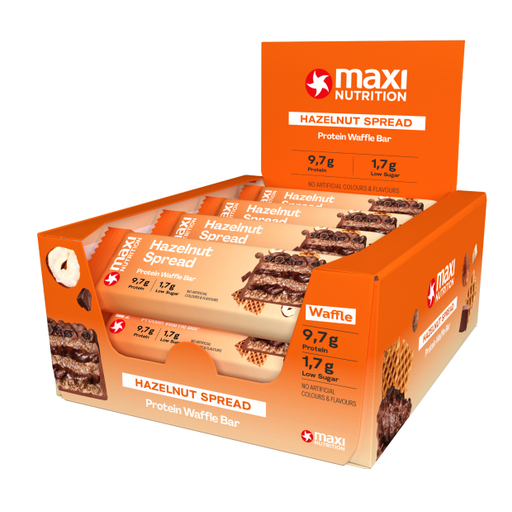 Image unavailable
This pack of 12 bars, each weighing 39 g, is handy if you want to take several individual portions with you. Compare the nutritional information per bar and check the allergen labelling for this variety.
 Image unavailable
These 55-g bars are individually portioned snacks for when you’re on the go. For comparing protein per bar and checking ingredients and allergens, always refer to the labelling on the specific pack.
Image unavailable
This 40-g bar is a handy single snack to take with you. Compare protein and energy only when the pack makes clear what the figures are based on; ‘Low Carb’ doesn’t replace checking the nutritional information.
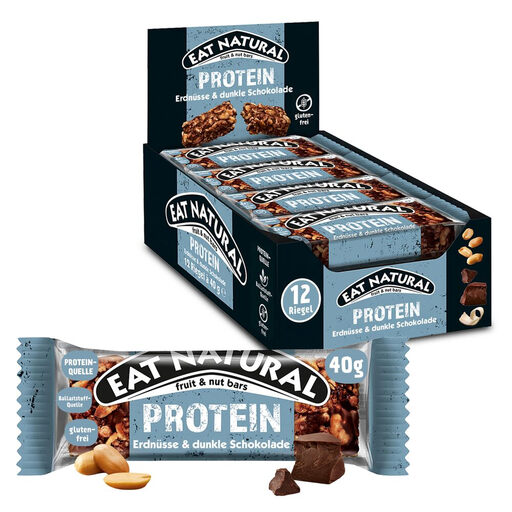 Image unavailable
This pack of 12 bars, each weighing 40 g, is handy for taking individual portions with you. Check protein and sugar against their respective serving sizes, and if you have allergies, read the ingredients and ‘may contain’ information on the pack.
Under the EU regulation on nutrition and health claims, at least 20% of a food’s energy value must come from protein for it to be labelled ‘High Protein’. This doesn’t tell you anything about sugar, allergens or your personal protein needs.
For the amount you’ll actually eat, the protein in grams per bar is particularly useful. Check what each percentage is based on; the NRW Consumer Advice Centre points out that percentages and grams on the front of a pack can easily be confused.
Look for the organic label on the specific pack. According to the European Commission, the EU organic logo is compulsory for most pre-packed foods produced and sold as organic in the EU; you’ll still need to check the ingredients, allergens and nutritional values separately.
Check the ingredients list, highlighted allergens and any ‘may contain’ information for the specific product. According to the German Food Federation, a ‘may contain’ warning doesn’t mean the allergen is definitely present, but that its presence can’t be ruled out with certainty.
A protein bar isn’t essential. The Consumer Advice Centre points out that people who exercise can also meet their protein needs with everyday foods that are rich in protein; a bar is mainly an option if you want a snack to take with you.