People keeping an eye on fat content
You want to take a packaged snack to the Christmas market and are mainly interested in comparing fat content. You’ll need the figures per 100 g and per bar—a protein claim alone won’t answer your question.


If you’re looking for a protein bar with less fat to take to the Christmas market, don’t judge it by claims such as ‘high protein’ or ‘no added sugar’. Check the specific fat-related claim and compare the nutrition information per 100 g and per bar. If protein content matters more to you, a standard protein bar may suit your snacking needs. If you have allergies, always check the ingredients and allergen information for the specific variety first.
You want to take a packaged snack to the Christmas market and are mainly interested in comparing fat content. You’ll need the figures per 100 g and per bar—a protein claim alone won’t answer your question.
You’re looking for a sweet, portable bar with a clearly stated protein content. You still check the fat content separately rather than assuming that the name ‘protein bar’ means it contains less fat.
You need to know whether a particular variety is suitable for you. Check the ingredients, highlighted allergens and ‘may contain’ warnings on the current packaging before weighing up its fat and protein content.
Before choosing a snack for the Christmas market, decide what matters most to you: comparing fat content, protein content or ingredients. Figures per 100 g make it easier to compare products of different sizes, while the figures per bar show how much is in an individual portion.
| What to compare | What to check when buying | Who it matters most to |
|---|---|---|
| Fat content | Fat per 100 g and per bar; if the product claims to be lower in fat, check the specific claim on the packaging too. | I mainly want to compare the fat content of my snack when visiting the market, without being distracted by its protein content. For around 42% of consumers, this could be the main consideration when buying. |
| Protein content | Protein per bar and the bar’s weight; for different sizes, also compare the figures per 100 g. | A clearly stated amount of protein in a sweet snack matters more to me than a claim about reduced fat. Around 33% of consumers might make protein content their top priority. |
| Ingredients and allergens | The ingredients list, highlighted allergens and ‘may contain’ warnings for the specific variety. | I need to check first whether the bar’s ingredients are suitable for me; suitable nutrition figures alone aren’t enough. For around 25% of consumers, this check could be the main factor in their buying decision. |
Protein and fat are separate nutritional values. ESN states that its Designer Bar contains up to 15 g of protein per 45-g bar, as well as 8.3 g of fat per portion. The protein content doesn’t prove that the bar is lower in fat.
If fat content is your main buying criterion, check the figures per 100 g and per bar, and verify any claim about reduced fat against the specific product.
A claim about added sugar doesn’t, in itself, tell you how much fat a bar contains. Nor can you use it to work out the energy content or ingredients.
Check the nutrition information and ingredients list separately, then choose based on the feature that really matters for your snack.
Ingredients and ‘may contain’ warnings can vary between varieties. Information for one bar doesn’t automatically apply to the entire product range.
Check the label on the variety you want to buy, even if you’re already familiar with another product from the same brand.
Brand information can help you find varieties to consider. But when it comes to reduced fat, it’s the label on the individual product—not the brand name—that counts.
Barebells offers sweet protein bars, including its Original range. Information about this range doesn’t necessarily apply to other Barebells varieties.
The Designer Bar is a sweet protein bar with stated nutrition information for the variety in question.
The dm-drogerie markt range includes several PowerBar protein bar formats, including 30% Natural Protein, 40% Protein+ and Protein Soft Core.
Body Attack describes the Power Protein-Bar as a protein-based snack.
This selection includes packaged protein bars and a chocolate product for a snack on the go. The product names alone don’t indicate that anything is lower in fat. For this particular requirement, check the latest nutrition information and the specific label.
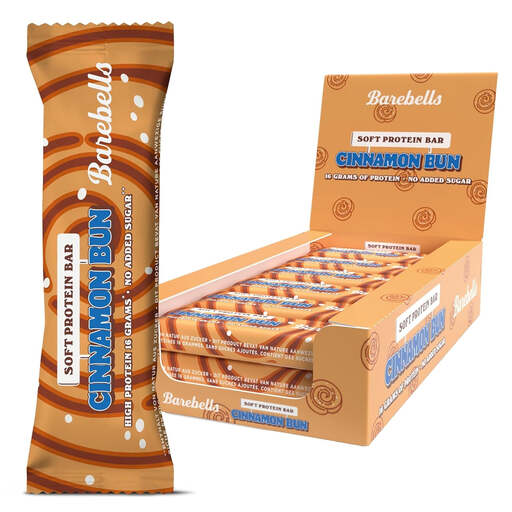 Image unavailable
An option if you’d like to take a cinnamon bun-flavoured protein bar with you. The pack states that it contains twelve bars of 55 g each; if you’re watching your fat intake, the nutrition information for the current variety is what matters.
If you have any intolerances, check the ingredients and ‘may contain’ warnings. According to the product information, excessive consumption may have a laxative effect.
 Image unavailable
A chocolate caramel bar for anyone looking for a portioned snack. The product title states 16 × 40 g, but other product details give a different pack size and individual bar weight. Check both against the packaging before buying.
To compare fat content, use the nutrition information for the actual portion. If you have any intolerances, also check the ingredients and ‘may contain’ warnings. According to the product information, excessive consumption may have a laxative effect.
 Image unavailable
A portioned Cookies & Cream-flavoured bar to take with you. The product title states that the pack contains twelve bars of 55 g each. You can only tell whether the fat content suits your needs by checking the nutrition information for this variety.
If you have allergies, the ingredients and possible traces listed on the current packaging are what matter.
 Image unavailable
A 40-g protein bar for a single snack on the go. The ‘Low Carb’ label doesn’t answer the question about fat: check the figures per 100 g and per bar on the packaging.
If you have any intolerances, check the ingredients and ‘may contain’ warnings. According to the product information, excessive consumption may have a laxative effect.
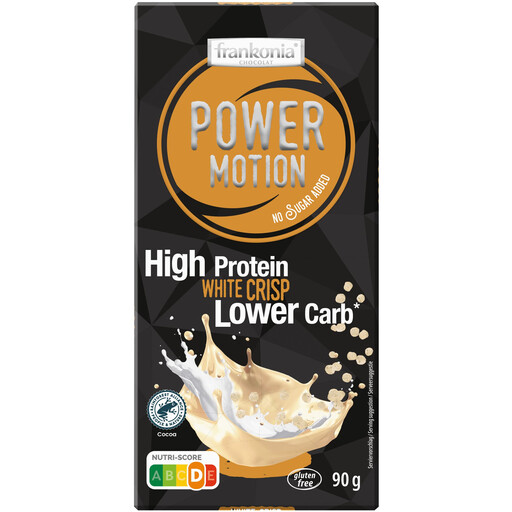 Image unavailable
A chocolate product rather than a specifically named protein bar. The pack states 90 g; when comparing it with bars, check the figures per 100 g and consider how much you actually plan to eat.
If you have any intolerances, check the ingredients and ‘may contain’ warnings. According to the product information, excessive consumption may have a laxative effect.
No. A claim about added sugar doesn’t tell you the fat content. If you want to buy a protein bar because it claims to be lower in fat, check the specific claim and nutrition table on the current packaging.
Use both figures. The amount per 100 g lets you compare protein bars of different sizes on the same basis; the amount per bar shows you what’s in an individual portion. Bear in mind how many bars you actually want to take with you or eat.
No. Check the ingredients, highlighted allergens and ‘may contain’ warnings for every variety before comparing its protein and fat content. The Federal Ministry of Agriculture, Food and Home Affairs points out that the 14 most common causes of allergies and intolerances must be labelled.
A packaged, ready-to-eat bar doesn’t need any preparation. Before taking it with you, check that the packaging is intact and follow the use-by date and storage instructions for the specific product.