People looking for a snack after exercise
If protein content is a key factor in your choice, compare the amount per bar rather than looking only at the figure per 100 g. This lets you take different serving sizes into account.


When choosing a protein bar for exercise and a possible trip to the cinema, don’t rely on the claim on the front of the pack alone. Compare the protein per bar with its serving size, and check the ingredients, nutritional information and allergen advice for the specific variety. For the cinema, a handy portion and the venue’s own rules matter too. A high protein content alone tells you nothing about your overall diet or whether you’re allowed to bring the bar in.
If protein content is a key factor in your choice, compare the amount per bar rather than looking only at the figure per 100 g. This lets you take different serving sizes into account.
You want to bring a bar that’s ready to eat. Before buying, check whether your cinema allows you to bring your own food and whether the packaging is suitable for your visit.
For you, the ingredients list, information on sweeteners and sugar alcohols, and the allergen labelling for the specific variety matter more than choosing the bar with the highest possible protein content.
First decide whether protein per serving, the ingredients or taking a snack to the cinema matters most to you. Then compare bars using the same measure and check the packaging of the variety you’ve chosen.
| What to consider | What to check when buying | Who it matters most to |
|---|---|---|
| Protein per serving | Protein in g per bar and the bar’s weight; compare figures per 100 g only on the same basis. | After exercise, I want to know how much protein my actual serving contains, rather than mistaking the figure per 100 g for a serving amount. For around 44% of consumers, this serving-size comparison is the priority. |
| Ingredients and tolerance | Sugar and other nutritional values, the ingredients list, and allergen and ‘may contain’ information for the specific variety. | If I want to avoid certain ingredients or check for sweeteners, I need information about the variety I’ve chosen. Around 33% of consumers prioritise ingredients and tolerance. |
| Suitability for the cinema | The rules of the specific cinema and the bar’s packaging, particularly if you plan to open it in the auditorium. | Before going to the cinema, I want to bring an easy snack without overlooking the venue’s rules. For around 23% of consumers, suitability for the cinema is the priority. |
A 45 g bar contains only 45% of the amount listed for 100 g of the same product. So the figure per 100 g isn’t a serving-size figure.
Compare the protein per bar or convert the figures to the same serving size.
A claim about protein or no added sugar doesn’t tell you about the product’s overall composition. The North Rhine-Westphalia Consumer Advice Centre points out that claims about protein, ingredients and nutritional values on protein bars can be difficult to make sense of.
Read the nutritional information, ingredients list and allergen labelling together for the specific variety.
Depending on the variety, ingredients or ‘may contain’ information may mention peanuts, nuts, milk or soya. Another flavour from the same brand may have different information.
If you need to avoid an ingredient, check the labelling on the current original packaging.
According to SWR3, cinemas can prohibit customers from bringing their own food and refuse admission if they break this rule.
Check the rules of the specific cinema before your visit, or contact them to ask.
The Nuts & Protein range is worth considering if you’re looking for a cereal bar with a stated protein content.
ALDI SÜD’s own-brand protein bars come in different varieties and pack formats, so you can compare serving sizes.
REWE stocks several PWR protein bar varieties, which you can compare using the information on each pack.
The Designer Bar range is for shoppers who want to compare varieties and ingredients carefully before buying.
Protein Salted Caramel Nut is a nut-rich option for shoppers who want to compare its ingredients with those of other bars.
This selection includes protein bars and a protein bite, so you can compare serving sizes, varieties and ingredients before a possible cinema snack or around your exercise routine. Whether you’re allowed to take a product into the cinema depends on the rules of that venue.
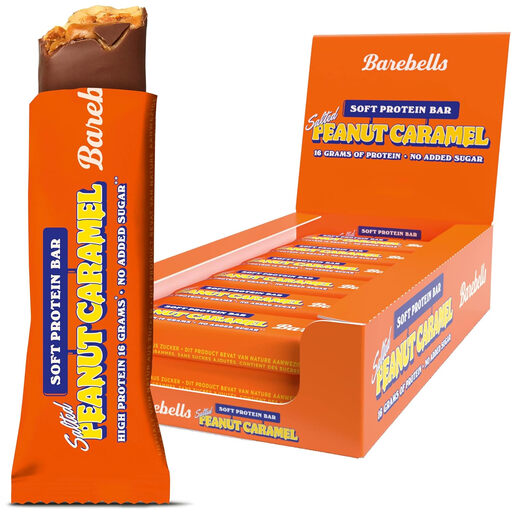 No image available
An option if you’re looking for a peanut caramel-flavoured protein bar to enjoy on the go.
The product name lists twelve bars, each weighing 55 g. Before choosing, check the ingredients and allergen information on the pack, particularly for peanuts, milk and soya.
 No image available
If you’re looking for a cookie-flavoured protein bar, you can compare the serving size and ingredients of this variety with those of others.
The product name lists 30 % protein and twelve bars, each weighing 45 g. Check the labelling on the specific pack for sweeteners and allergens.
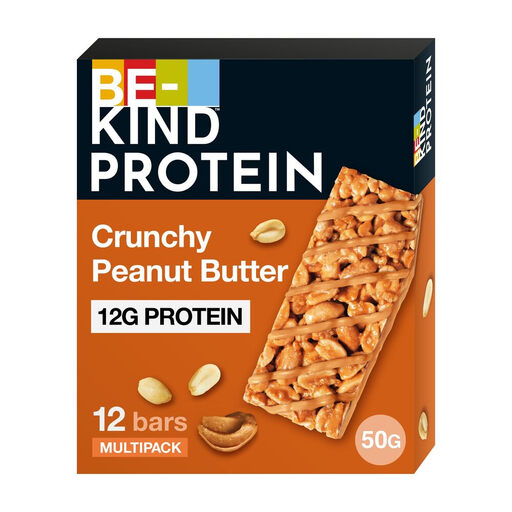 No image available
A nut-rich option if you prefer a protein bar with a peanut flavour.
The product name lists twelve bars, each weighing 50 g. If you have a peanut allergy, it’s particularly important to check the ingredients and allergen labelling before buying.
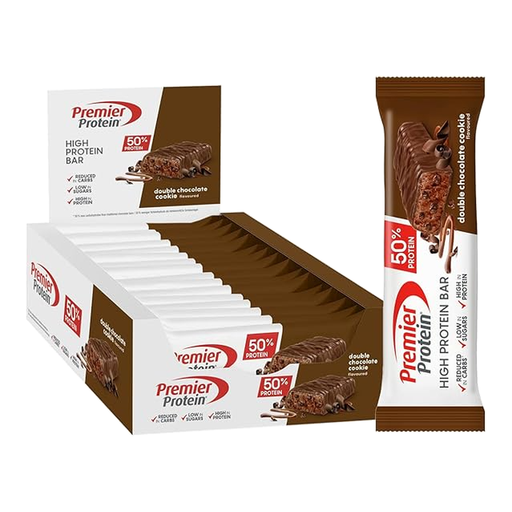 No image available
This variety is worth considering if you’re comparing protein-rich bars with chocolate and cookie flavours.
The product name lists 50 % protein and 16 × 40 g. As the pack quantity details differ, check the actual pack contents before buying. For a serving-size comparison, also check the information on the pack.
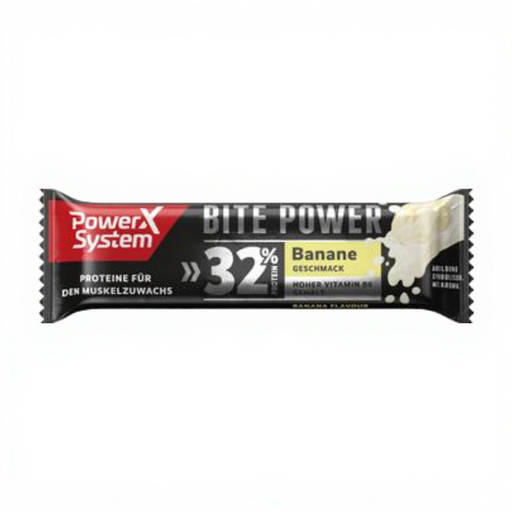 No image available
This banana-flavoured protein bite is a smaller portion for a snack on the go.
The product name lists 32 % protein and a weight of 35 g. To compare it with other bars, check the protein per serving as well as the ingredients and allergens on the pack.
It depends on the rules of the specific cinema. According to SWR3, cinemas can prohibit customers from bringing their own food and refuse admission if they break this rule. Check the rules before your visit.
No, that claim alone doesn’t tell you. Compare the protein in the actual bar and take into account the ingredients, nutritional values and the rest of your diet. EU rules base the ‘high protein’ claim on the proportion of energy provided by protein, not on a standard number of grams per serving.
They’re part of each variety’s composition and may be relevant to your choice. The German Federal Institute for Risk Assessment explains that sweeteners generally have to be listed in the ingredients. For its High Protein Bar Nougat, ALDI SÜD also gives a product-specific warning that excessive consumption may have a laxative effect.
Follow the storage instructions for the variety you’ve chosen. The ESN and Nature Valley bars considered here are described as needing to be stored in a dry place. The ESN Designer Bar should also be kept sealed and protected from sunlight.