Active Carnival-goers looking for a post-workout snack
If you’re looking for a bar to take with you, compare the stated protein content per serving rather than relying on the claims on the front of the pack alone.


For a long day at Carnival, the protein content per bar is a good place to start. A cereal-style protein bar could be a good choice if you’re looking for oats and crunch; classic protein bars offer different serving sizes, depending on the variety. Also check the nutritional information and ingredients for the specific variety – particularly sugar, polyols and allergens, if these are relevant to your choice.
If you’re looking for a bar to take with you, compare the stated protein content per serving rather than relying on the claims on the front of the pack alone.
If oats and crunch matter to you, it’s worth looking at cereal-style protein bars. A classic protein bar won’t necessarily have the same texture.
If you’re sensitive to sugar substitutes or need to avoid certain ingredients, check the information for the specific variety before a long day of celebrations or travelling.
First, compare the serving size and protein content per bar. Then consider the texture, other nutritional values and ingredients to decide which variety suits your needs.
| Criteria | What to check when buying | Who it matters to |
|---|---|---|
| Protein per serving | Compare the protein in g per bar and the serving size; check the energy, sugar and fat for the same serving too. | After a workout, I want to know how much protein an individual bar contains for a snack on the go. For around 45 % of consumers, this serving information is a priority when choosing. |
| Tolerance and ingredients | Read the ingredients list and allergen information for the variety; look out for sweeteners and polyols. | Before a long parade, I don’t want to choose a new variety with ingredients that could be a problem for me. Around 33 % of consumers put these ingredient requirements first. |
| Cereal-style snack | Compare the oats and cereal ingredients, as well as the serving size and nutritional information for the variety you want. | If I prefer a bar with oats and crunch, the type of snack matters more to me than getting as much protein as possible. Around 22 % of consumers mainly prefer the cereal-style option when making this choice. |
A protein claim alone doesn’t tell you how much energy, fat, sugar or salt a bar contains. Verbraucherzentrale recommends checking the nutritional information on these products carefully.
Compare the values per bar and per 100 g. For bars of different sizes, both figures are useful for putting them into perspective.
Verbraucherzentrale points out that sugar substitutes can have a laxative effect when consumed in large quantities. REWE lists 14,4 g of polyols per 45-g bar for CORNY Protein Cookie Crunch.
If you’re sensitive to them, check the ingredients and avoid trying a new variety for the first time just before a long parade or celebration.
The term “protein bar” doesn’t tell you which ingredients in a particular variety may be relevant to allergies. Lebensmittelverband Deutschland refers consumers to the ingredients list for allergen labelling.
Check the ingredients and allergen information for every variety, even if you’re already familiar with another bar from the same brand.
CORNY Protein Cookie Crunch is an option if you’re looking for a protein bar with an oat and cereal feel.
Barebells protein bars are an option if you’re looking for a classic protein bar rather than a distinctly cereal-style texture.
You can compare Layenberger Mix varieties by looking at their stated protein and sugar content.
This selection includes classic protein bars, a cereal-style option and a protein bite as portioned snacks to take with you. Check the specific pack if your decision depends on the protein content in grams per piece or other nutritional values.
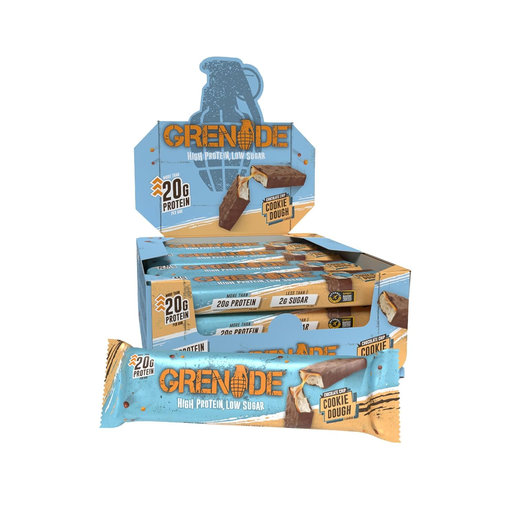 No image available
A protein bar in an individual portion, ideal for snacking on the go. The pack contains twelve 60-g bars; also check the ingredients, allergens and polyols for the specific variety.
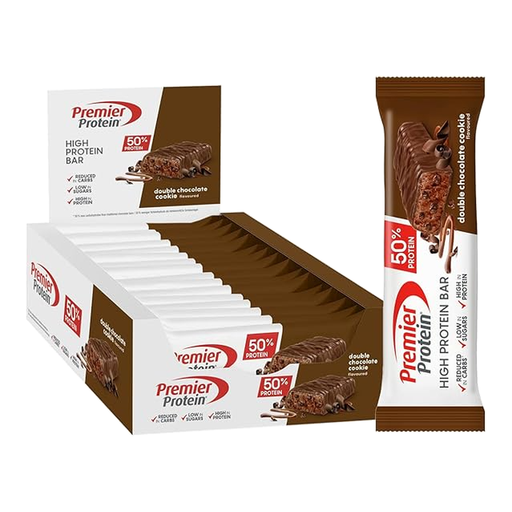 No image available
An option if you’re looking for a classic protein bar in 40-g portions. The product name states 50 % protein and a pack of 16 bars; to compare individual portions, check the protein content in grams and the ingredients on the specific pack.
 No image available
A cereal-style protein bar for anyone who likes this type of snack. The product name states 30 % protein and twelve 45-g bars; check the protein content in grams per bar, as well as the ingredients and allergens for the specific variety.
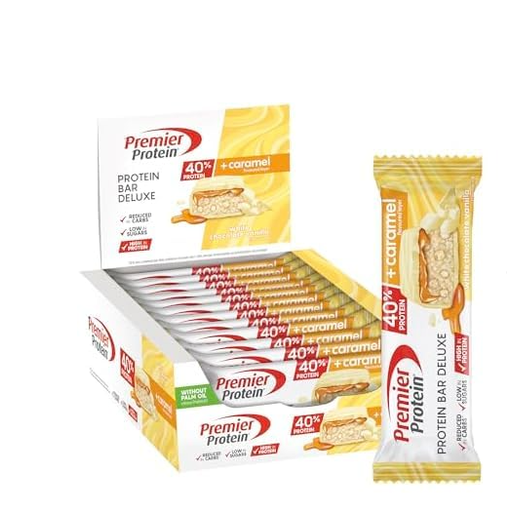 No image available
A classic protein bar for anyone who prefers a 50-g serving. The product name states 40 % protein and twelve bars per pack; compare the nutritional information per bar and the ingredients list for the variety you choose.
 No image available
A 35-g protein bite for snacking on the go, rather than a specifically cereal-style bar. The product name states 32 % protein; to compare servings, check the protein content in grams along with the other nutritional information and ingredients.
Compare the grams of protein per bar alongside its weight. The per-100-g figure helps when comparing products of different sizes; for a snack on the go, it’s also important to know what’s in an individual serving.
No. The protein claim alone doesn’t tell you the energy, sugar, fat or salt content. Verbraucherzentrale recommends checking the full nutritional information for the specific product.
If you’re sensitive to them, check the ingredients and information on polyols. According to Verbraucherzentrale, sugar substitutes can have a laxative effect when consumed in large quantities; it’s better to try a new variety before a long day of celebrations or parading.
Read the ingredients and allergen information on the packaging for the specific variety. The front of the pack or brand name alone isn’t enough; different varieties in the same range may also contain different ingredients.