Guests comparing fat content
If you’re looking for an individually portioned snack and keeping an eye on fat content, compare the figures per 100 g. ‘High protein’ alone tells you nothing about the fat content.


If you’re choosing protein bars for New Year’s Eve and want options with as little fat as possible, start by comparing the nutrition information per 100 g rather than the protein or sugar claims on the front of the pack. The Verbraucherzentrale says that, for solid foods, the claim ‘low fat’ means no more than 3 g of fat per 100 g. According to the product information on dm, the three options compared here contain 12 g, 17 g and 24 g respectively, so all are above that limit. For a party, you’ll also need to consider portion size and whether the bars are suitable for guests with allergies or special dietary requirements.
If you’re looking for an individually portioned snack and keeping an eye on fat content, compare the figures per 100 g. ‘High protein’ alone tells you nothing about the fat content.
For them, protein per bar, portion size and flavour are important. Sugar, fat and information about sweeteners are separate things to check.
If you’re shopping for several people, check whether the specific flavour is labelled vegan or gluten-free. The ingredients, highlighted allergens and precautionary allergen information are also important.
First, compare total fat per 100 g. Then check whether the portion size, ingredients and labelling of your chosen flavour suit your guests and the quantity you’re planning to buy.
| Criterion | What to check | Who is it important for? |
|---|---|---|
| Fat content | Compare total fat per 100 g. For solid foods, the Verbraucherzentrale says that ‘low fat’ means no more than 3 g per 100 g. | If I’m looking for a bar with a lower fat content for my selection, I want to compare like with like. Around 40% of consumers make fat content their main consideration. |
| Protein and a sweet snack | Check the protein per bar, as well as the sugar and total fat, separately in the nutrition information. | For a sweet snack, a clear serving of protein matters more to me than an especially low fat content. This is the main priority for around 30% of consumers. |
| Suitability for guests | Check the ingredients, allergens, precautionary allergen information and, where relevant, the vegan or gluten-free labelling for the specific flavour. | If several guests will be helping themselves, I want to know which bars may suit their dietary requirements and allergies. Around 20% of consumers put suitability first. |
| Party quantities and availability | Check the bar size, pack contents and whether the flavour you want will be available in time. | For the party, I need the right number of individually portioned bars and enough time to buy them. This planning comes first for around 10% of consumers. |
Protein content does not determine fat content. The three specific protein bars in dm’s range are listed as containing 12 g, 17 g and 24 g of fat per 100 g respectively.
Compare total fat per 100 g. The Verbraucherzentrale sets the limit for ‘low fat’ at no more than 3 g of fat per 100 g for solid foods.
A claim about added sugar doesn’t tell you about fat content, energy or ingredients.
Check the nutrition information and ingredients for your chosen flavour rather than relying on a single claim on the packaging.
The Sportness and Barebells varieties checked here carry a warning that excessive consumption may have a laxative effect.
Keep the packaging advice visible and offer other snacks alongside these bars.
The PURYA! bar checked here is labelled vegan and gluten-free, but contains peanuts and hazelnuts. The Barebells variety checked here contains milk, pistachios and soya.
If you’re catering for people with allergies, check the ingredients, highlighted allergens and precautionary allergen information on the specific pack.
When comparing fat content, the specific variety matters, not the brand name.
With Barebells, too, you’ll need to check the nutrition information and ingredients for the individual flavour.
The Salted Peanut Caramel variety checked may suit guests looking for a bar labelled vegan and gluten-free.
The Designer Bar focuses on the protein serving per bar. To compare fat content, you’ll also need the figure per 100 g.
Bulk offers a range of protein bars. The protein content of one variety doesn’t tell you its fat content or that of other varieties.
These individually portioned protein bars could make sweet or savoury snacks for your party. If fat content is your main consideration, check the per-100 g figure on the current packaging for both options; pack size alone won’t answer that question.
 No image available
The pack of 16 bars, each weighing 40 g, is handy if you want to serve several sweet snacks individually. To compare fat content and cater for guests with allergies, check the nutrition information and ingredients on the specific pack.
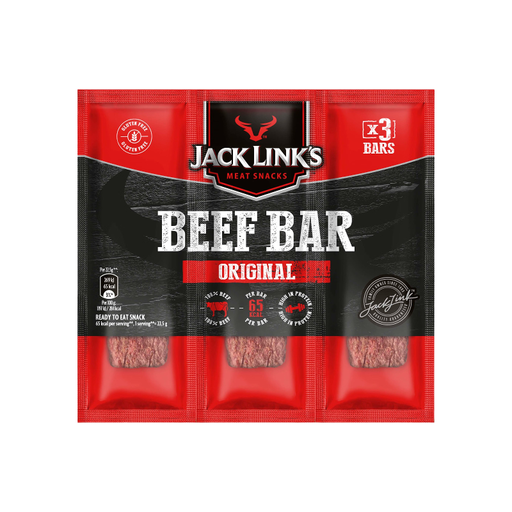 No image available
The pack of three bars, each weighing 22,5 g, makes a savoury alternative to sweet protein bars. Compare the fat content per 100 g and check the ingredients before choosing them for your guests.
The Verbraucherzentrale says that, for solid foods, the claim ‘low fat’ means no more than 3 g of fat per 100 g. Compare this with the total fat per 100 g on the pack; a smaller portion doesn’t make a higher per-100 g figure ‘low fat’.
No. A claim about added sugar doesn’t tell you about fat content. Check both figures separately in the nutrition information for the specific variety.
No. A vegan label doesn’t rule out allergens. The vegan PURYA! variety checked contains peanuts and hazelnuts. If you’re catering for guests with allergies, always check the ingredients and precautionary allergen information on the specific pack.
Follow the storage instructions for the variety you buy. The PURYA! variety checked should be stored in a dry place away from light and heat; the Barebells variety checked should be stored at room temperature.