If you’re packing a lunchbox for a day trip
A bar can be added to your bag as an extra snack. For a longer break, plan lunch and drinks separately. The Federal Centre for Nutrition does not consider protein bars a complete meal.


A protein bar can work as a handy snack to take on a day trip, or as a back-up when you’re short on time. It isn’t a replacement for a proper lunch. The Federal Centre for Nutrition considers protein bars more of an occasional snack. Check the ingredients, allergens and storage instructions for the specific variety; a high protein content alone doesn’t answer these questions.
A bar can be added to your bag as an extra snack. For a longer break, plan lunch and drinks separately. The Federal Centre for Nutrition does not consider protein bars a complete meal.
If milk, peanuts, soya, wheat or possible traces are a concern for you, check the label for the specific variety. Even a product labelled vegan needs to be checked for ingredients and allergen information.
If you’re looking for a sweet snack, compare the sugar content and sweeteners in each variety. Storage instructions also matter on a warm day out: chocolate ingredients can melt, according to the Lower Saxony State Office for Consumer Protection and Food Safety.
First decide whether you’re putting together a back-up snack or a lunch. Then consider the bar’s portion size, ingredients and how it should be stored while you’re out.
| Criteria | What to check | Who it matters to |
|---|---|---|
| Portion and portability | For multipacks, check whether the bars are individually wrapped; note the portion weight and storage instructions. | If I’m packing several snacks in a day-trip bag, I want to take the bars without splitting them up and be able to protect them from heat. For around 31% of consumers, this practical individual portion is a priority. |
| Its place in the lunchbox | Plan to have the bar as an extra; for a longer break, pack other food and drinks too. | For a longer day out, I don’t want to rely on a single bar as my lunch. Around 31% of consumers prioritise the rest of their lunchbox. |
| Allergens and dietary requirements | Check the ingredients, highlighted allergens and may-contain information for each variety; verify dietary claims on the specific product. | If someone in my household has an allergy or a particular dietary requirement, the variety I choose needs to be suitable. This is a priority for around 23% of consumers. |
| Sugar and sweeteners | Compare the nutrition information per portion, ingredients list and information about sweeteners. | I want to know what a sweet bar is made with before I pack it. Around 15% of consumers focus primarily on this ingredient profile. |
A handy portion is no substitute for a varied meal or drinks. The Federal Centre for Nutrition considers protein bars more of an occasional snack when you’re short on time.
For longer trips, plan lunch and water separately from your bar.
For example, the PowerBar Natural Protein Salty Peanut Crunch, described by dm as vegan and lactose-free, contains peanuts and soya.
Check the ingredients, highlighted allergens and may-contain information on the packaging for every variety.
Bars with a low sugar content can still contain sugar alcohols. The consumer advice centre points out that large amounts can cause bloating and diarrhoea.
Read the ingredients list and consumption advice, especially if you’re taking several portions with you.
Chocolate ingredients can melt, which is worth bearing in mind if a bar will be in a rucksack or car for a long time.
Follow the storage instructions for the variety you choose and keep your snack out of direct sunlight.
A melted coating can make a bar awkward to eat while you’re out.
The brand offers a range of protein bar varieties. When comparing them, look at the specific variety rather than making assumptions about the range as a whole.
For a per-portion comparison, the 45 g Extra Chocolate White Mocha protein bar is a specific example.
The Natural Protein Salty Peanut Crunch shows why dietary claims and allergens should be checked separately.
These bars could work as a back-up snack for your day-trip bag or lunchbox. If you’re buying a multipack, check whether each bar is individually wrapped; remember to pack other food as well if you need a full lunch.
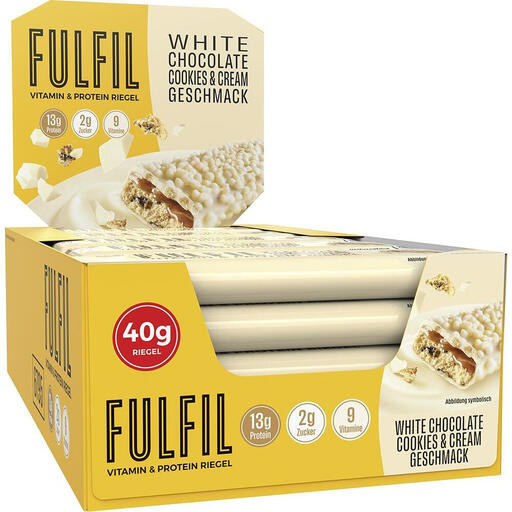 No image available
The pack of 15 bars, each weighing 40 g, could provide several snack portions. Before taking them with you, check whether the bars are individually wrapped, and follow the storage instructions in warm weather.
If milk ingredients or sweeteners are a concern for you, read the ingredients and allergen information on the pack.
 No image available
The pack contains 12 bars, each weighing 50 g, making it useful for planning several snack portions. Before packing them, check whether the individual bars are wrapped separately.
If you have a peanut, milk or soya allergy, check the ingredients and may-contain information carefully. Also follow the storage instructions on the pack when taking them on a day trip.
 No image available
The 50-g bar is a single snack portion, not a replacement for lunch on a day trip. Check the ingredients and nutrition information on the packaging rather than assuming what it contains from the product name.
Storage instructions matter on a warm day out. Also check the information about milk, soya and sweeteners.
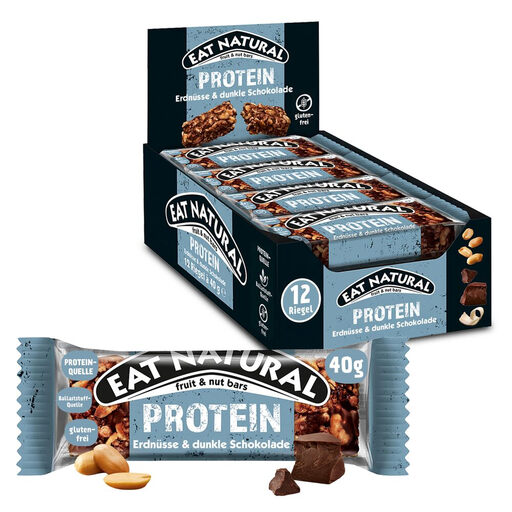 No image available
The pack of 12 bars, each weighing 40 g, can be planned for several snack breaks. Check whether they’re individually wrapped before taking them with you, and store them according to the pack instructions.
If you have a peanut or soya allergy, or are concerned about possible traces of other allergens, check the label on the specific pack.
 No image available
The pack of 12 bars, each weighing 55 g, is labelled vegan and could suit you if a plant-based recipe is important when choosing a bar. Check the label on the specific pack and whether the bars are individually wrapped.
If you have a peanut, soya or wheat allergy, check the ingredients and may-contain information carefully. Compare the protein content per bar with the information on the pack.
A protein bar isn’t intended as a regular replacement for a complete lunch. The Federal Centre for Nutrition considers it more of an occasional snack when you’re short on time; pack other food and drinks for longer trips.
No. “Vegan” doesn’t tell you whether a product is allergen-free. The PowerBar Natural Protein Salty Peanut Crunch, described by dm as vegan, contains peanuts and soya. Always check the ingredients and allergen information for the variety you choose.
Read the ingredients list and consumption advice for the specific variety. The consumer advice centre points out that large amounts of sugar alcohols can cause bloating and diarrhoea; a low sugar content alone doesn’t tell you whether a bar contains them.
Follow the storage instructions on the pack and keep the bar out of direct sunlight and away from a hot car. The Lower Saxony State Office for Consumer Protection and Food Safety notes that chocolate can melt in warm weather.