When choosing a high-protein bar for exercise or a snack on the go, start by comparing the carbohydrates in the whole bar you’ll actually eat. A high protein content or low sugar figure alone won’t tell you whether the portion is right for you. Also check the polyols, ingredients and allergens. If you have diabetes and kidney problems, discuss the amount of protein that’s right for you with your doctor, as diabetesDE recommends.
Who might find this advice useful?
Active people planning their carbohydrate intake
A bar is easy to take with you to a workout. If you plan your carbohydrate intake, look at the amount in the whole bar you eat, not just the sugar figure. diabetesDE advises taking the nutritional values of the whole meal into account.
People with sensitive digestion
If a bar contains maltitol, sorbitol or other sugar substitutes, it’s worth checking the ingredients and serving advice. The Verbraucherzentrale notes that large amounts of sugar substitutes can have a laxative effect.
People with diabetes and kidney problems
A high-protein bar isn’t automatically the right choice for you. If you have kidney problems, diabetesDE recommends discussing the amount of protein you can tolerate with your doctor.
What should you look for when buying?
Start with the serving size and total carbohydrates. Then you can assess whether the protein content, ingredients and convenience suit your needs.
| What to check | Things to look at | Who might find this important? |
|---|
| Carbohydrates per bar |
Check the serving weight and total carbohydrates; look at sugars and, where relevant, polyols separately. |
If I plan the carbohydrates in my meal or treatment, the amount in the whole bar needs to fit my plan. For around 36% of consumers, carbohydrate planning is the main priority. |
| Protein for exercise |
Look at the protein content per bar alongside its carbohydrates and serving size. |
After physical activity, I want a handy snack for on the go, but I don’t want to assume it’s suitable based on the protein claim alone. Around 29% of consumers mainly value this practical use. |
| Ingredients and tolerance |
Read the information on polyols, allergens and product-specific serving advice. |
If I need to avoid certain ingredients or don’t tolerate polyols well, the specific recipe determines what I choose. Around 21% of consumers put tolerance first. |
| Everyday convenience |
Match the serving size and ingredients to how you plan to use the bar: as an occasional or regular snack. |
If I’m choosing a regular snack, I ask myself whether a wrapped bar is more convenient than other protein-rich foods. For around 14% of consumers, this everyday consideration comes first. |
Which assumptions can make choosing harder?
-
Looking only for ‘low sugar’
Low sugar doesn’t mean a bar contains no other carbohydrates. REWE lists 11 g of carbohydrates per 40-g bar of Premier Protein Chocolate Caramel, including 9.6 g of polyols.
Read the nutrition information for the portion you’ll actually eat, and include the total carbohydrates in your plan.
-
Taking ‘High Protein’ to mean it’s suitable for diabetes
A protein claim alone doesn’t tell you how many carbohydrates or which ingredients a bar contains. It can’t replace assessing the portion as part of your individual eating plan.
Use the claim as a prompt to check the protein content, then decide based on the full nutrition information and ingredients list.
-
Overlooking polyols and allergens
The Verbraucherzentrale says that large amounts of sugar substitutes can have a laxative effect. Ingredients and potential allergens also vary from bar to bar.
Before buying, read the ingredients, allergen information and serving advice – especially if you plan to eat the bar before exercise or during a long journey.
-
Planning a protein bar as an essential daily snack
A bar can be convenient when you’re out and about, but you don’t need one just because you exercise. The Verbraucherzentrale notes that you can also get enough protein from everyday foods.
Think about when an individually wrapped portion would genuinely be useful, rather than automatically adding a bar to every training day.
Brands and product ranges to consider
The details below relate to specific protein bars, not every product from each brand.
REWE PWR
REWE’s own-label range includes a Brownie protein bar in a 45-g serving.
- REWE lists 13.5 g of protein, 13.7 g of carbohydrates and 7.5 g of fibre per serving for this bar.
- The carbohydrates still matter when planning your portion. Check the ingredients and allergen information for the Brownie bar too.
Premier Protein
The Chocolate Caramel product listed by REWE is a protein bar with a serving weight of 40 g.
- REWE lists 20 g of protein and 11 g of carbohydrates for this bar.
- Of the carbohydrates, 9.6 g are listed as polyols. Check the product-specific serving advice and allergen information.
ALDI SPORTS
The Filled Protein Riegel Strawberry Yogurt listed by ALDI SÜD weighs 45 g.
- ALDI SÜD lists 34 g of protein and 35 g of carbohydrates per 100 g; for a 45-g bar, that works out at around 15.3 g of protein and 15.8 g of carbohydrates.
- For your individual plan, it’s the serving size that matters, not just the protein figure per 100 g.
Max Balance
EDEKA24 stocks a Max Balance protein bar with coconut flavour.
- EDEKA24 lists 32 g of protein per 100 g for this product.
- It also contains 41 g of carbohydrates and 28 g of sugars per 100 g. Check the figures for the portion you’ll actually eat before adding the bar to your plan.
Protein bars on Joybuy
These protein bars may suit you as portioned snacks on the go or around physical activity. If you have diabetes, the nutrition information for the specific portion, along with the ingredients and serving advice, is key to choosing one.
 No image available
Frankonia Sugar Free Nutrition Bar Chocolate Brownie, 50 g
The individually portioned 50-g bar makes it easier to compare the nutrition information for the whole bar with your planned snack portion.
If you need to keep an eye on polyols or particular allergens, check the pack for information on maltitol, milk and soya.
View on Joybuy
 No image available
Power System Low Carb Cookies & Cream Protein Bar, 40 g
For a snack after physical activity, you can compare this bar’s 40-g serving with your individual needs.
Check the carbohydrates and polyols per bar on the current packaging. If you have relevant allergies, also read the information on milk and soya, as well as possible traces of other allergens.
View on Joybuy
 No image available
Premier Protein 50% Bar Chocolate Caramel, 16 × 40 g
If you’re planning to have this protein bar as a snack, first compare the actual bar weight with the nutrition information on the pack.
Also check the ingredients and allergen information, particularly for milk, soya and possible traces of nuts or cereals containing gluten.
View on Joybuy
 No image available
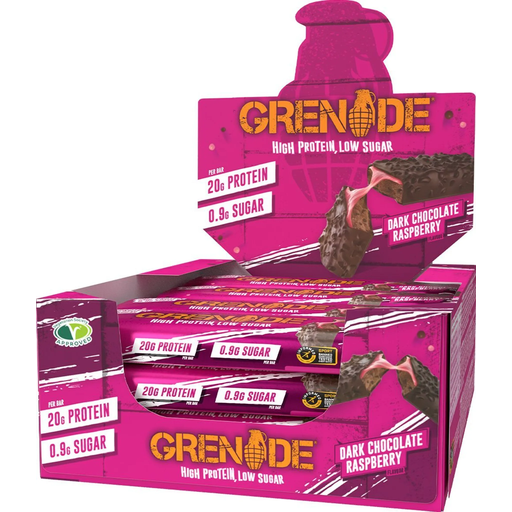
Grenade Protein Bars Dark Chocolate Raspberry, 12 × 60 g
If you’re choosing a bar to eat after physical activity, check the total carbohydrates and sugars per 60-g serving first.
If you need to keep an eye on polyols or allergens, also read the ingredients, allergen information and serving advice.
View on Joybuy
Frequently asked questions
Is a protein bar automatically a suitable choice if you have diabetes?
No. The protein content alone isn’t enough to make that decision. diabetesDE recommends taking the carbohydrates and other nutritional values in a meal into account, so compare the figures for the bar you eat with your individual eating plan.
Are bars containing maltitol automatically a better choice because of their sugar content?
No. A low sugar figure tells you neither the total carbohydrates nor how well you’ll tolerate the bar. The Verbraucherzentrale notes that large amounts of sugar substitutes can have a laxative effect, so check the nutrition information, ingredients and serving advice together.
What should I consider if I have diabetes and existing kidney problems?
Speak to your doctor to find out whether a high-protein bar fits the amount of protein recommended for you. For kidney problems, diabetesDE specifically recommends discussing the amount of protein you can tolerate with your doctor.
Do I need a protein bar after a workout?
No, a protein bar isn’t essential after a workout. It can be a convenient snack to take with you, but the Verbraucherzentrale says you can also get enough protein from everyday foods.


