Calorie-conscious Easter egg hunters
If a bar is intended as a single prize, what matters is the energy in the portion that’s actually eaten. So compare kcal per bar and the bar’s weight, rather than focusing only on ‘protein’ or ‘no added sugar’.


For an Easter egg hunt, the energy in each individual protein bar is the starting point for comparison – not just its protein content or the claim ‘no added sugar’. Also check the serving size, ingredients and allergens for the people who will be eating the bar. A protein bar is one possible snack, but its name alone doesn’t make it a more suitable choice.
If a bar is intended as a single prize, what matters is the energy in the portion that’s actually eaten. So compare kcal per bar and the bar’s weight, rather than focusing only on ‘protein’ or ‘no added sugar’.
For a snack between a walk and a family visit, you can compare the protein in each bar with its serving size. However, as the German consumer advice centre explains, an additional protein product isn’t always necessary for general nutritional needs.
If you’re sharing bars or need to avoid certain ingredients, check each variety individually. Vegan doesn’t mean it’s free from wheat or soya. Look for highlighted allergens in the ingredients list and any ‘may contain’ warnings.
First, decide whether one person is meant to eat a whole bar as their prize. Then compare the information per bar with the nutritional values per 100 g and the ingredients in each variety.
| Criterion | What to check | Especially relevant for |
|---|---|---|
| Calories and serving size | Compare kcal per bar, the bar’s weight and kcal per 100 g. | If I’m planning to include a bar as a sweet treat, I want to know how much energy that serving contains. This is the top priority for around 36% of consumers. |
| Protein content | Check the grams of protein per bar and the stated protein source. | For a snack on the go, I want to gauge the protein in the serving without assuming it offers a health benefit. Around 29% of consumers say this is their main priority. |
| Dietary requirements and allergens | Read the ingredients list, highlighted allergens and, where applicable, ‘may contain’ warnings for the specific variety. | If I’m sharing a bar or need to avoid certain ingredients, its recipe needs to be suitable for the person who’ll eat it. This is the most important consideration for around 21% of consumers. |
| Sweeteners | Check the ingredients list for sugar alcohols and look out for warnings on the packaging. | If there are several possible treats, I want to know whether the sweeteners they contain matter to me. Around 14% of consumers put this question of tolerance first. |
This claim doesn’t tell you the bar’s total energy content. Barebells lists Chocolate Spread at 161 kcal per 45 g bar, despite the ‘no added sugar’ claim.
Start by comparing kcal per bar and per 100 g. You can then use the sugar and protein information to help make your decision.
Sugar alcohols aren’t calorie-free and may have a laxative effect in larger quantities, as the consumer advice centre explains.
Read the ingredients and warnings, and consider whether one person might have several bars during the Easter egg hunt.
A high protein content doesn’t automatically make a bar a necessary supplement. According to the consumer advice centre, people in Germany can generally meet their protein needs through everyday foods.
Choose based on the snack portion you want and the nutritional information, rather than a general health claim.
Barebells’ vegan Caramel Choco Chip contains wheat and soya protein. A plant-based recipe isn’t automatically suitable for everyone with an allergy.
Before sharing a bar, check the ingredients list and any ‘may contain’ warnings on the packaging for that specific variety.
Barebells offers protein bars in a range of recipes, including vegan varieties.
The Designer Protein Bar is a range of milk-protein-based bars available in several varieties.
Layenberger offers, among other products, high-protein bars made with different protein sources.
This selection includes individually portioned protein bars as possible Easter egg hunt treats, including a plant-based option. To help you decide, compare the nutritional information for the specific variety and check its ingredients before sharing.
 No image available
For a single treat, you can compare the 45 g serving with bars in other sizes. Check the kcal per bar, along with the ingredients and any information about sugar alcohols if these matter to the people sharing them.
 No image available
This vegan option could be a good choice if you’re looking for a plant-based treat. Each bar weighs 55 g; check its energy per bar and the ingredients list, especially if wheat, soya or peanuts need to be avoided.
 No image available
This 55 g bar is an individually portioned option for the hunt. As well as the kcal per bar, the ingredients matter: check the packaging if you avoid milk or collagen, or pay attention to sweeteners.
 No image available
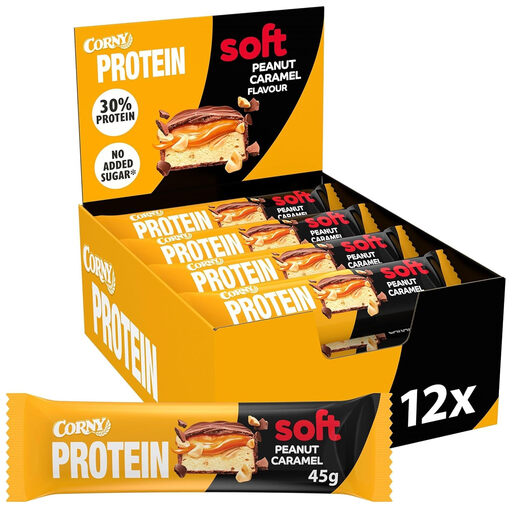
The 45 g format can work as a single treat. Compare the energy in each serving, and if you’re choosing bars for other people, pay particular attention to information about peanuts, other allergens and sugar alcohols.
 No image available
If a whole bar is intended as a treat, compare the kcal in the 55 g serving with those in other pack sizes. If you have a milk or soya allergy, or are sensitive to sugar alcohols, check the ingredients and warnings too.
No. Under the EU rules published by the European Commission, the nutrition claim ‘low energy’ may only be used for solid foods containing no more than 40 kcal per 100 g. A lower calorie count per bar compared with other bars doesn’t automatically meet this condition, so compare both kcal per bar and per 100 g.
No. The claim tells you neither the total amount of sugar nor the energy content. Barebells lists Chocolate Spread at 161 kcal and 1.1 g of sugar per 45 g bar, despite the ‘no added sugar’ claim.
Before sharing a bar, check the ingredients list and any ‘may contain’ warnings for that specific variety. Vegan doesn’t mean free from wheat, soya or nuts. According to the German Food Federation, relevant allergenic ingredients in packaged foods are identified in the ingredients list.
Yes. Depending on the recipe and how much you eat, sugar alcohols may have a laxative effect, as the consumer advice centre explains. Read the ingredients and warnings, and remember that one person could receive several treats during the Easter egg hunt.
Not necessarily. A protein bar may suit you because of its portion size or flavour, but according to the consumer advice centre, extra protein is usually unnecessary for general nutritional needs in Germany. If you choose a bar, compare its energy, ingredients and serving size as you would with any other snack.