People comparing protein content
If you’re looking for a snack with a clearly stated protein content after exercise or on the go, the grams per bar and portion weight are more useful than a percentage in isolation.


A protein bar can be a handy snack for an Easter egg hunt. To assess its protein content, check the number of grams in the bar you’ll actually eat, rather than relying solely on a percentage on the front of the pack. Also compare the portion weight, nutrition information and ingredients for the specific variety, especially if you’re sharing it with others. The Federal Centre for Nutrition classifies protein bars as an occasional snack, not a replacement for a balanced meal.
If you’re looking for a snack with a clearly stated protein content after exercise or on the go, the grams per bar and portion weight are more useful than a percentage in isolation.
A chocolatey bar in an individual portion can be handy for an Easter egg hunt. The information on sugar, energy and sweeteners can help you decide whether it suits your preferences.
If you’re sharing bars or avoiding certain ingredients, check the label for the specific variety. Depending on the recipe, ingredients such as milk, soya, peanuts or animal-derived protein may be relevant.
First decide whether protein per portion, ingredients or the bar’s suitability as a snack matters most to you. Then you can compare bars using the same basis and the label for the specific variety.
A good fit if: You mainly want to compare protein content in a small bar. Layenberger states that its 35-g Chocolate-Banana bar contains over 46% protein.
Worth bearing in mind: The documented recipe contains milk, soya and beef collagen ingredients, as well as sweeteners.
A good fit if: You’re looking for a sweet bar with a stated protein content per portion to take on the go. ESN states that its Designer Bar contains 14 g of protein per 45-g bar.
Worth bearing in mind: Claims such as “no added sugar” tell you neither the energy content nor all the ingredients. Barebells explicitly states that its bars are not low-calorie or reduced-calorie.
A good fit if: Ingredients such as dried fruit, almonds, rice protein and pumpkin seeds matter more to you than getting as much protein as possible per bar. Rawbite Crunchy Almond is listed as containing 10.35 g of protein per 45-g portion.
Worth bearing in mind: The same documented portion contains 13.05 g of sugar and almonds. Check these details if you’re planning to share the bar.
| What matters | What to check before buying | Who it matters to |
|---|---|---|
| Protein per portion | Check the protein in grams per bar and the bar’s weight; only compare figures per 100 g when using the same basis. | If I want to top up my protein while I’m out, I want to know how much is in the bar I’ll eat. This is the main consideration for around 33% of consumers when choosing a bar. |
| Ingredients and allergens | Check the ingredients, highlighted allergens and precautionary statements for the specific variety. If you’re choosing a vegetarian or vegan option, check the protein sources too. | Before I pass a bar to someone else or eat it myself, its ingredients need to suit everyone involved. This is the main concern for around 27% of consumers. |
| Sugar and energy | Check the sugar, energy and saturated fat per portion, and look at the ingredients list for sweeteners. | When choosing a sweet snack, I want to know what the portion contains besides protein. Around 20% of consumers check this first when making their decision. |
| Taking it with you | Check the portion format, best-before date and condition of the packaging. Plan to take other food with you on longer trips. | For an Easter egg hunt, I mainly need a convenient snack for on the go, not a meal in bar form. This practical consideration comes first for around 20% of consumers. |
In a 50-g bar, 20% protein does not mean 20 g of protein. The Consumer Advice Centre North Rhine-Westphalia points out that protein figures presented in different ways make products harder to compare.
Check the protein in grams for the portion you’d actually eat, along with the bar’s weight.
This claim doesn’t tell you how much energy, sugar or saturated fat a portion contains. Barebells also makes clear that its bars are not low-calorie or reduced-calorie.
Compare the nutrition information per portion and check the ingredients list to see which sweeteners are used.
Ingredients vary between bars and flavours. The word “protein” in a product name also tells you nothing about whether it contains milk, soya, peanuts or animal-derived collagen, for example.
Check the ingredients and allergen information on the specific pack before buying, and especially before sharing.
A convenient snack doesn’t automatically replace a balanced meal. The Federal Centre for Nutrition recommends treating protein bars as an occasional snack when you’re short on time.
For a longer outing, plan to take drinks and regular food as well as the bar.
The examples below refer to documented bars and varieties from each brand. When buying, check the information on the specific pack.
The brand offers several lines of protein bars, including Soft and plant-based options. For its documented Soft varieties, Chocolate Cake and Espresso Swirl, Barebells states that each 55-g bar contains 16 g of protein.
ESN states that its Designer Bar contains 14 g of protein per 45-g bar.
Layenberger states that its High Protein Bar Chocolate-Banana contains over 46% protein, with a bar weight of 35 g.
The documented Crunchy Almond bar combines dried fruit, almonds, rice protein and pumpkin seeds. The 45-g portion is listed as containing 10.35 g of protein.
This selection features individually portioned protein bars in sweet flavours for a snack on the go. Check the packaging for each variety before choosing based on protein content or ingredients.
 No image available
An option if you’d like to take a Cookies-&-Cream protein bar with you as an individually portioned snack.
The pack contains 12 bars, each weighing 55 g. To compare protein content, check the nutrition information per bar, and check the ingredients and allergens before sharing.
 No image available
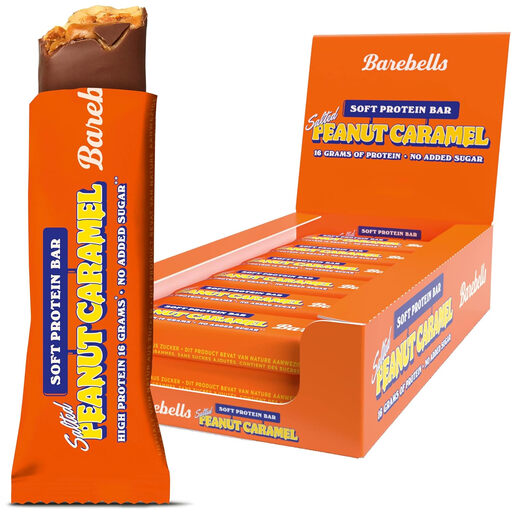
This Salted Peanut Caramel variety could work as a sweet, individually portioned snack, as long as its ingredients suit you and anyone else taking part.
The pack contains 12 bars, each weighing 55 g. If you have a peanut allergy, check the label on the specific pack and compare the nutrition information per bar.
 No image available
If you’re interested in the Peanut Caramel variety as a snack on the go, check its label to make sure it suits your diet.
The pack contains 12 bars, each weighing 55 g. The protein figures in the product description and nutrition table differ; use the figure on the specific pack when making comparisons. Also check the allergen information for peanuts, wheat and soya.
 No image available
This bar could be a good choice if you’re looking for an individually portioned snack with a caramel and nut flavour for your outing.
The pack contains 12 bars, each weighing 50 g. The highlighted protein content and nutrition table show different figures, so check the information on the specific pack. Pay particular attention to the allergen labelling before sharing.
 No image available
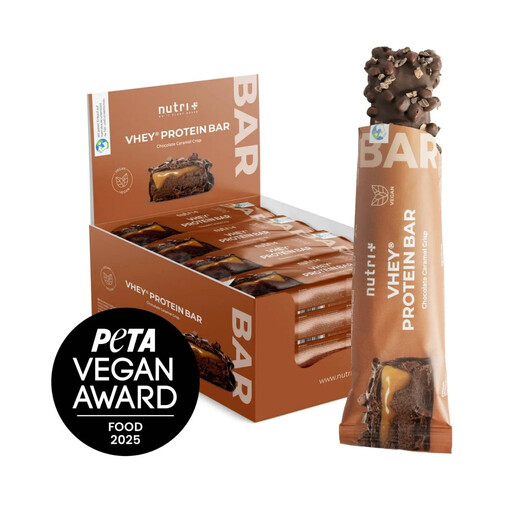
If you’re after a chocolate and caramel bar to take with you, check the protein source on the pack for this variety.
The pack contains 12 bars, each weighing 50 g. The name “Whey” and the plant-based protein sources listed don’t clearly match, so don’t assume it’s suitable for a vegan diet. Also check the nutrition and allergen information on the pack.
No. A percentage is not the amount of protein in grams per bar. As the Consumer Advice Centre North Rhine-Westphalia explains, 20 g and 20% protein are quite different in a 50-g snack. Check the portion weight and the amount in grams too.
A protein bar is better suited to being a snack than a balanced meal. The Federal Centre for Nutrition recommends it as an occasional option when you’re short on time. For a longer outing, plan to take drinks and regular food separately.
Check the ingredients list on the specific pack. The German Federal Institute for Risk Assessment explains that sweeteners must generally be listed in the ingredients; a claim on the front of the pack is no substitute for checking.
No, it depends on the recipe. ESN, for example, explains that its Designer Bar is neither vegetarian nor vegan because it contains beef collagen. Check the ingredients and labelling for each variety.
No, a protein bar isn’t essential for getting enough protein. The Federal Centre for Nutrition points out that even people with higher protein requirements can generally meet them through everyday foods as part of a balanced diet. A bar is mainly a convenient snack option when you’re out and about.