People who exercise and want a clearly stated portion
If you want to eat a bar on the go or around your workout, check the protein per bar against the other nutritional information, rather than relying on the front of the pack alone.


For a larger household, the protein figure on the front of the pack isn’t the only thing that matters. Compare the nutrition information per bar and per 100 g, along with the ingredients and pack size. If several people are eating from the same cupboard, check that allergens, sweeteners and different dietary requirements suit the specific variety. The Verbraucherzentrale notes that additional protein products aren’t generally necessary, even for people who exercise.
If you want to eat a bar on the go or around your workout, check the protein per bar against the other nutritional information, rather than relying on the front of the pack alone.
With multipacks, the number and size of the individual bars matter just as much as choosing varieties that the people they’re intended for will actually want to eat.
If a plant-based recipe or avoiding certain allergens is important, check each variety individually. This includes any warnings about possible traces.
First, work out who in the household is meant to eat which bars. Then compare portion sizes and nutritional information, and check the ingredients and warnings for every variety you’re considering.
| Criteria | What to check | Who it matters to |
|---|---|---|
| Protein per bar | Protein in g per bar and per 100 g; energy per portion. | If you’re choosing a snack for around your workout, you’ll want to know how much protein the portion you actually eat contains. For around 36% of consumers, this clearly stated portion is the main consideration. |
| Pack size and varieties | Number and weight of the bars; mix of varieties and best-before date. | If several people are choosing from the same cupboard, individual varieties shouldn’t be left uneaten for too long. Around 29% of consumers mainly look for a pack size and selection that suit their household. |
| Ingredients and tolerance | Ingredients list and allergen information; polyols and consumption advice. | If someone needs to avoid certain ingredients or reacts to larger amounts of polyols, the specific recipe will determine whether a bar is suitable. For around 21% of consumers, this check takes priority. |
| Plant-based recipe | Vegan labelling and protein sources; allergens and possible traces. | If you’re buying for a vegan member of the household, start by looking for a suitable plant-based option, but still check its allergens. For around 14% of consumers, a plant-based recipe is the main criterion. |
Bars come in different weights, so a percentage alone won’t tell you how much protein someone gets from eating one bar.
Compare the nutritional information per 100 g with the actual portion, especially for protein and energy. Check sugar, fat and salt, too.
Some recipes contain polyols. The Verbraucherzentrale notes that these can have a laxative effect when eaten in large quantities.
Before buying several packs, read the ingredients list and consumption advice for the specific variety.
Ingredients and possible traces can vary between varieties. For example, a vegan recipe doesn’t rule out nuts or traces of other allergens.
Check the label on every variety that will actually be eaten in your household.
The Verbraucherzentrale considers additional protein products unnecessary for most people. EDEKA also advises against planning protein snacks in place of meals.
Choose a bar as an occasional snack if its ingredients and portion size suit how it will be eaten.
ALDI SÜD own-label brand with protein bars, including a nougat multipack.
REWE own-label brand, which REWE launched with six protein bars.
EDEKA brand with different protein bar recipes, including a vegan almond biscuit variety.
Protein bar manufacturer that also offers a mix of six varieties.
Brand offering protein bars in different varieties and pack sizes.
The multipacks below may suit you if you need individually portioned protein bars for several people. Alongside pack size, the information on each product’s packaging about nutrition and ingredients is key to choosing between varieties.
 Image unavailable
This multipack is a good fit if you’re looking for individually portioned bars to take on the go.
Before stocking up, check the label for peanuts, milk, soya and other possible allergens.
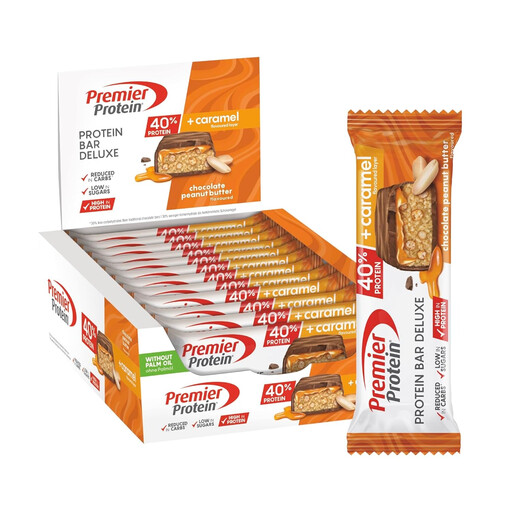 Image unavailable
If you’re looking for a multipack of individually portioned bars, check the nutritional information per bar for this Chocolate Peanut Butter variety.
Check the pack for milk, peanuts, soya, wheat and other allergen information. Take note of the warning about excessive consumption, too.
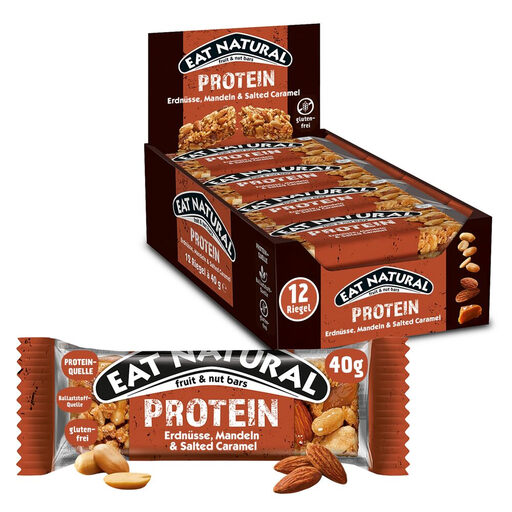 Image unavailable
This pack offers individually portioned bars for a household looking for a variety with peanuts, almonds and salted caramel.
To compare portions, check the nutritional information per 40 g bar and the allergen information on the pack.
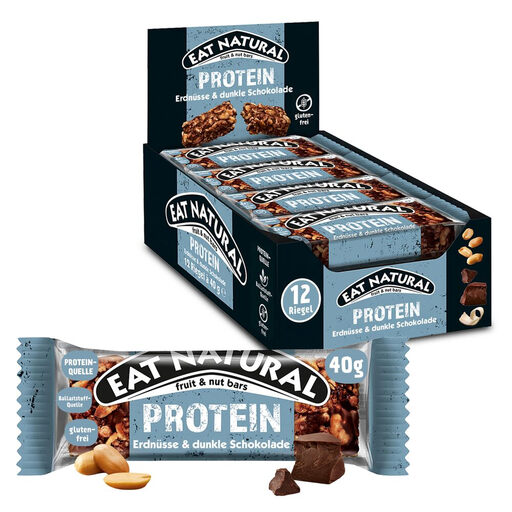 Image unavailable
This multipack offers a different flavour for households looking for bars with peanuts and dark chocolate.
Check the nutritional information per 40 g bar and the pack’s warnings about peanuts, soya and other possible allergens.
 Image unavailable
The 12-pack gives you individual bars to keep in stock. Whether the vanilla and White Choc variety suits everyone it’s intended for depends on its ingredients.
Check the pack for allergens, polyols, nutritional information per 45 g bar and consumption advice.
For bars of different sizes, you’ll need both figures. Per 100 g lets you compare products of different weights, while per bar shows the portion you’ll actually eat. The European Commission explains that nutrition labelling is given per 100 g; additional portion information can help you compare products, too.
No, a protein bar isn’t generally necessary after exercise. The Verbraucherzentrale notes that you can get enough protein from everyday foods. If you still choose a bar as a snack, check its portion size and ingredients.
The warning may relate to polyols in the bar, which can have a laxative effect in large quantities, as the Verbraucherzentrale explains. Check the ingredients list and consumption advice on the specific pack.
No, a vegan recipe doesn’t replace an allergen check. For example, EDEKA MAX BALANCE’s vegan almond biscuit variety contains almonds and may contain traces of peanuts, gluten, milk and soya. Always check the label on the pack you buy.