What should you look for when shopping?
First, work out who would eat the bars regularly. You can then compare portion size and protein content with the ingredients and the quantity you need to stock up on.
| Criterion |
What to check when buying |
Who it matters most to |
| Protein content and training needs |
Grams of protein per bar and portion size; consider the bar as part of your overall diet. |
If you’re planning a snack around a training session, choose a portion that suits your routine rather than relying on claims about recovery. This is the main consideration for around 28% of consumers. |
| Quantity to stock up on |
Compare the number of bars, weight per bar and best-before date with how much you usually eat. |
If several people regularly reach for a bar, you want enough in stock without varieties going uneaten. Around 28% of consumers say that being able to plan the quantity is their most important criterion. |
| Ingredients and allergens |
Read the ingredients list, highlighted allergens and precautionary allergen statements for each variety; check claims such as “vegan” or “lactose-free” separately. |
If anyone in your household needs to avoid certain ingredients, whether a particular variety is suitable will determine if it works for your shared stock. This is the main concern for around 22% of consumers. |
| Taste and nutritional information |
Compare nutritional information per 100 g and per portion, as well as sugar, polyols and sweeteners. |
If the taste or sweetener profile doesn’t suit your household, a multipack won’t be a practical choice either. Around 22% of consumers put these qualities first. |
Notable brands and product ranges
These ranges offer different pack formats and varieties. Check the ingredients and nutritional information for the specific bar you’re considering.
REWE PWR
REWE launched its own-brand range in September 2026, initially with six protein bars. The retailer says it’s aimed at people who lead an active lifestyle.
- The range includes several varieties, giving you options to choose from.
- Being aimed at active people doesn’t mean you personally need extra protein; check the information for the variety you choose.
ALDI SPORTS
This own-brand range includes protein bars. ALDI SÜD lists, among other options, a multipack of 3 × 45 g.
- The pack size shown makes it easier to compare the quantity with how much your household gets through.
- Check local availability for special-buy items. Ingredients and allergens vary by product.
MAX BALANCE
EDEKA lists protein bars from this range in a variety of flavours and portion sizes.
- For its white chocolate and vanilla variety, EDEKA publishes the ingredients, nutritional information and allergen details.
- This example contains milk and soya, and may contain traces of other allergens. Availability can also vary by store.
Barebells
Barebells offers classic, soft and plant-based protein bars.
- The different options let you narrow down your choice by variety and texture.
- Barebells says its Original and Soft bars are not vegan. Check the individual product for information about lactose and possible traces.
Protein bars for a well-planned stock-up
This Joybuy selection includes multipacks in different portion sizes and flavours, including one variety labelled vegan. If you’re stocking up for the household, make sure the number of bars and the ingredients in the specific pack suit the people who’ll be eating them.
 No image available
ESN Protein Designer Bar Hazelnut Nougat, 12 × 45 g
This pack of twelve bars is handy if you’re planning to keep a regular supply. Before sharing them with others, check the ingredients and allergen information for this variety, and take note of the polyol content too.
View on Joybuy
 No image available
Barebells Vegan Protein Bar Peanut Caramel, 12 × 55 g
This Peanut Caramel variety is labelled vegan and comes in a pack of twelve bars. If you have other ingredient requirements, check the label on the specific pack. Vegan doesn’t automatically mean allergen-free or lactose-free.
View on Joybuy
 No image available
Corny Crunchy Cookie Flavour Protein Bar, 12 × 45 g
Twelve individually portioned bars make it easier to plan how many you’ll need if cookie flavour is popular in your household. To compare this bar with other portion sizes, check the protein content per bar on the pack, along with the ingredients and allergens.
View on Joybuy
 No image available
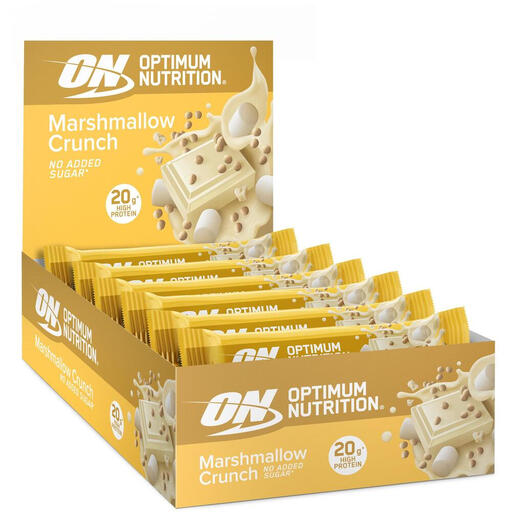
Optimum Nutrition Protein Bar Marshmallow Crunch, 10 × 65 g
The pack of ten bars, each weighing 65 g, makes it easy to plan the number of portions you need. When deciding whether they suit your diet, compare the nutritional information on the pack and check the ingredients for everyone who’ll be eating them.
View on Joybuy
 No image available
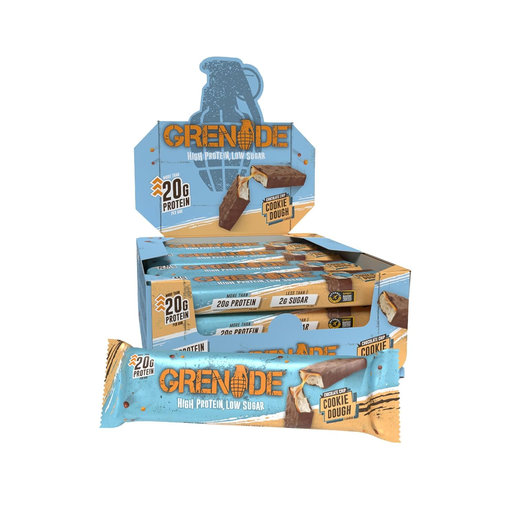
Grenade Carb Killa Choc Chip Cookie Dough, 12 × 60 g
This pack contains twelve 60 g bars, so you can plan ahead based on how regularly you eat them. Before choosing, check the nutritional information and allergen details on the pack. If you’re planning portions, take note of the polyol content too.
View on Joybuy
Frequently asked questions
Do I have to eat a protein bar after exercise?
No, a protein bar isn’t essential after exercise. For healthy adults who do up to five hours of sport a week, the DGE doesn’t recommend a higher protein intake; for those who train for more than five hours, its guidance varies according to goals and training load. A bar can be a convenient snack, but it should be considered as part of your overall diet.
How can I compare the protein content of bars in different sizes?
Start by comparing the grams of protein per bar, and take the bar’s weight into account. The figure per 100 g is also useful for comparing composition, but it doesn’t tell you on its own how much protein you’ll get from the portion you actually eat. Check the other nutritional information and the ingredients list too.
Are vegan protein bars automatically lactose-free and allergen-free?
No, these labels describe different things. Check the ingredients, highlighted allergens and any precautionary allergen statements for the specific variety. The product range name alone isn’t enough.
What should I check before buying a larger quantity?
Compare the number of bars, portion size and best-before date with how much you’ll actually eat, and check the ingredients for every variety you’re planning to buy. Also check the range at your local shop or in your delivery area: EDEKA notes that ranges vary between stores, and some items at ALDI SÜD may be special buys.


