What to look for when buying
First compare the portion size and protein content. Then check that the ingredients, allergens and sweeteners in the specific flavour suit your diet.
| What to check |
What to look for |
Who it matters most to |
| Protein per bar |
Compare the protein in grams per bar with the bar’s weight, not just the figure per 100 g. |
After exercise, I want to know how much protein is in the portion I’ll actually take with me. For around 36% of consumers, this is the most important factor when buying. |
| Dietary requirements and allergens |
Check the vegan label, ingredients list and highlighted allergens for the specific flavour. |
If I need a vegan bar or have to avoid certain allergens, the brand name alone isn’t enough to guide me. Around 29% of consumers would prioritise dietary requirements or allergens. |
| Sweeteners |
Look for sweeteners, polyols and advice about excessive consumption. |
During a long festival day, I don’t want to eat a large amount of an unfamiliar flavour if I’m sensitive to these ingredients. For around 21% of consumers, how well they tolerate the ingredients would be the main reason for choosing a bar. |
| Type of snack and portion size |
Choose the flavour and portion size based on what you’d enjoy as a sweet snack on the go. |
I’m mainly looking for a bar I’ll enjoy as a little sweet snack to take with me, rather than aiming for the highest protein content. Around 14% of consumers would prioritise this. |
Protein bars on Joybuy
These bars could work as individually portioned snacks to take with you. Ingredients and dietary suitability vary between flavours; if you’re choosing a vegan option or see differing protein figures, check the specific pack.
 Image unavailable
Barebells Soft Protein Bar Salted Peanut Caramel, 12 × 55 g
A portioned sweet snack to take with you, if a 55-g bar suits your plans.
The product name states that the pack contains 12 bars of 55 g each. Check the label for milk, peanuts, soya and sweeteners in this flavour.
View on Joybuy
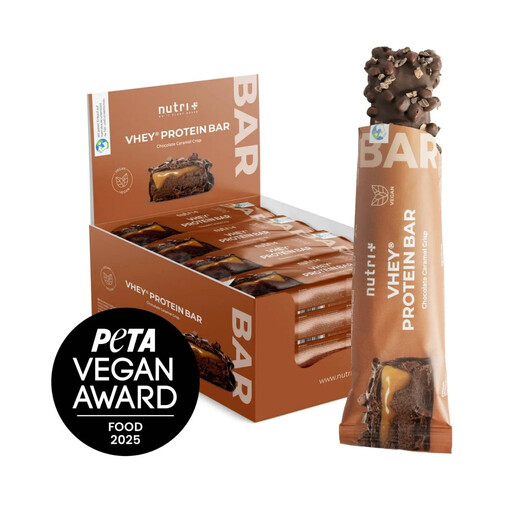 Image unavailable
Nutri+ Whey Protein Bar Chocolate Caramel Crisp, 12 × 50 g
A wrapped bar to take with you, provided the ingredients in the specific variety suit your diet.
The product name states that the pack contains 12 bars of 50 g each. The name includes ‘Whey’, while the description lists plant-based protein sources. Check the pack to resolve this discrepancy before classifying the bar as vegan. Check the information about sweeteners too.
View on Joybuy
 Image unavailable
BE-KIND Protein Caramel Nut, 12 × 50 g
A portioned nut bar to take with you, if you’d like to check the ingredients and protein content first.
The product name states that the pack contains 12 bars of 50 g each. The product text gives different figures for the protein per bar, so check the value on the specific pack. Also check the label for peanuts, milk and soya.
View on Joybuy
 Image unavailable
Barebells Vegan Protein Bar Peanut Caramel, 12 × 55 g
An option if you’re looking for a bar explicitly labelled vegan as a snack to take with you; vegan doesn’t replace an allergen check, though.
The product name states that the pack contains 12 bars of 55 g each. Check the label for wheat, soya, peanuts and sweeteners. The product text gives different figures for the protein per bar; use the information on the specific pack when comparing.
View on Joybuy
Frequently asked questions
Does ‘no added sugar’ mean a bar contains no sweeteners?
No. For example, Barebells lists maltitol, maltitol syrup and sucralose in its Vegan Caramel Peanut. Read the ingredients list if you want to avoid sweeteners or sugar alcohols; the consumer advice centre warns that sugar substitutes can have a laxative effect when consumed in larger quantities.
Where can I find allergen information on a packaged protein bar?
The Federal Office of Consumer Protection and Food Safety explains that key allergens must be highlighted in the ingredients list on prepacked foods in Germany. Check the label for the specific flavour, and look out for any ‘may contain’ information too.
Do I have to eat a protein bar after exercise?
No, a protein bar isn’t essential for getting protein. The consumer advice centre points out that active people can meet their needs with everyday protein-rich foods too; a bar can still make a convenient snack to take along to a festival.
Are vegan protein bars automatically free from wheat, soya and peanuts?
No. Barebells lists wheat and soya protein as well as peanuts in its vegan Caramel Peanut bar. If you need to avoid these ingredients, check the ingredients and ‘may contain’ information on the specific pack.
What should I check when shopping just before a festival?
Check the protein per bar, ingredients and allergens for the variety actually available, rather than assuming it’s the same as another product from the same brand. If you’re planning to shop at a supermarket, you can check in advance whether your chosen variety is stocked at your local branch.


