Festival-goers keeping an eye on protein content
If you’re packing a bar for the journey or to enjoy between acts, compare the stated protein content per bar. Ingredients such as milk or collagen, along with portion size, are also worth considering.


Protein bars can be a planned snack between meals at a festival, provided the portion size and ingredients suit your needs. Start by choosing the criterion that matters most to you – such as the stated protein content per bar or a vegan recipe – then check the allergens, sweeteners and the organiser’s rules on what you can bring.
If you’re packing a bar for the journey or to enjoy between acts, compare the stated protein content per bar. Ingredients such as milk or collagen, along with portion size, are also worth considering.
If you want to avoid animal-derived ingredients, check the labelling for the specific variety. Vegan-labelled options from Barebells and Powerbar also show why it’s important to check for soya, wheat, peanuts and precautionary allergen statements separately.
If you have allergies or are sensitive to certain ingredients, the information on the pack you buy matters more than claims on the front. Ingredients, precautionary allergen statements and sweeteners can vary between varieties.
First decide which factor matters most for your festival snack. Then compare the information per bar and, before packing, check what food you’re allowed to bring into the campsite and festival grounds.
| Criterion | What to check | Who it matters to |
|---|---|---|
| Protein per bar | Compare the protein content and weight of each bar, not just the figures per 100 g. | If I want to pack a bar with a stated protein content for the journey, I need to compare the figures per portion. Around 31% of shoppers put protein content at the top of their list of buying criteria. |
| Vegan recipe and allergens | Check the variety’s labelling, ingredients and precautionary allergen statements; vegan does not mean allergen-free. | I want to avoid animal-derived ingredients or need to watch out for certain allergens, so the specific recipe is what matters to me. For around 31% of shoppers, this question of ingredients takes priority. |
| Portions and what you can bring | Check the number of bars, weight per bar, best-before date and storage instructions; check campsite and venue rules separately. | For a festival lasting several days, I want to plan how many bars to take without assuming the same rules apply everywhere on site. For around 23% of shoppers, this kind of planning comes first. |
| Sugar and sweeteners | Compare the sugar and energy content per bar with the ingredients list and any consumption advice. | If I want to avoid sweeteners or understand the sugar content, a marketing claim on the pack isn’t enough. Around 15% of shoppers make this kind of information their main buying criterion. |
A claim about added sugar doesn’t tell you the total energy content. Barebells specifically states that its products should not be considered low-calorie or reduced-calorie.
Compare the energy, sugar and protein figures per bar in the nutrition information.
Depending on the variety, the vegan bars mentioned from Barebells and Powerbar contain ingredients such as wheat, soya or peanuts; other allergens may also be listed as possible traces.
For every variety you buy, check the ingredients list and the allergen and precautionary statements that are relevant to you.
Some bars containing sweeteners carry a warning on the pack that excessive consumption may have a laxative effect.
Read the ingredients and pack information before planning to eat several bars over the course of a festival day.
Something allowed on the campsite may not be permitted in the festival grounds. The rules set by the organiser apply.
Before you set off, check the latest campsite rules and your festival’s entry requirements.
The information below relates to specific bars and product ranges, not every variety from each brand. The labelling on the product you choose is what matters when making your decision.
Barebells offers classic, soft and vegan protein bars. According to Barebells, White Chocolate Almond contains 20 g of protein per 55-g bar; for Vegan Caramel Peanut, the brand states 15 g of plant-based protein per 55 g.
Powerbar has several protein bar ranges. For its vegan Natural Protein bar, the brand states 12 g of protein and 7.2 g of sugar per 40-g bar.
The nu3 product information for the Multipower Protein Layer Bar gives figures of 15 g of protein and 1.3 g of sugar per 50-g portion.
ESN offers the Designer Protein Bar in a range of varieties and states that the product range contains up to 15 g of protein per bar. This figure does not apply to every variety.
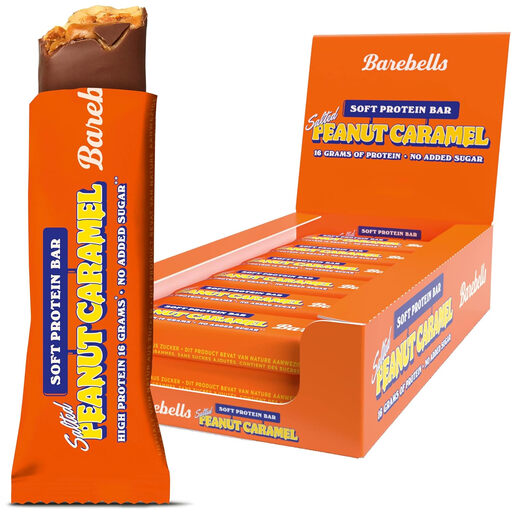
This selection includes protein bars sold in packs of 12, making it easier to plan snacks for your festival. The pack size doesn’t tell you whether each bar is individually wrapped, so check before buying if you want to take single bars with you.
 No image available
This pack of 12 is worth considering if you want to have bars ready for several occasions. When checking the ingredients, pay particular attention to milk, soya, collagen and sweeteners; also read the consumption advice on the pack.
If you want to put individual bars in your bag, check before buying whether each one is wrapped separately.
 No image available
This pack of 12 is a handy way to plan ahead, if the ingredients in this variety suit your needs. Be aware of peanuts, milk, soya and sweeteners; also read the warning about excessive consumption.
If you want to take individual bars with you, check whether each one is wrapped separately before buying.
 No image available
These twelve 50-g bars are an option if you want to portion out snacks for several days. To compare the protein content per bar, check the current information on the pack.
When checking the ingredients, look out for peanuts, milk, soya and other possible nuts. Also check whether the bars are individually wrapped.
 No image available
This bar is labelled vegan, so it may suit you if you want to avoid animal-derived ingredients. Check the current labelling on the pack to compare the protein content per bar.
Vegan doesn’t mean allergen-free: wheat, soya and peanuts are relevant for this variety. If you plan to take the bars with you, also check whether each one is wrapped separately.
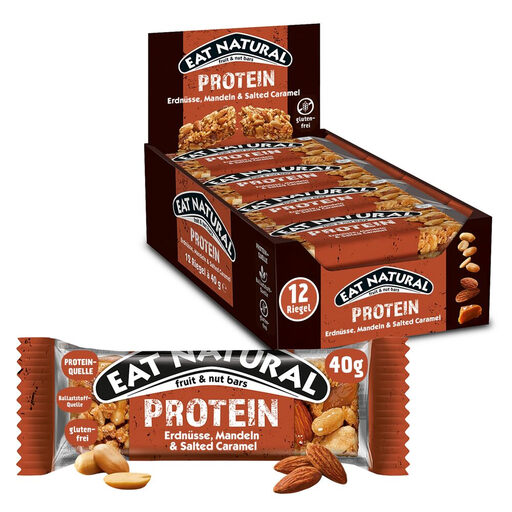 No image available
These twelve 40-g bars are worth considering if you want smaller portions for when you’re out and about. If the nutrition information is given per 100 g, use the pack to compare the figures per bar.
When checking the ingredients, look out for peanuts, almonds, soya, milk and other possible nuts. Before packing them, check whether the bars are individually wrapped.
That depends on the organiser; different rules may apply to the campsite and festival grounds. Before you set off, check the latest campsite rules and your festival’s entry requirements.
Check the ingredients, highlighted allergens, nutrition information, pack size and best-before date for the specific variety. The German Food Federation explains that relevant allergens are identified in the ingredients list; an additional precautionary statement does not necessarily mean that traces are present.
No. Vegan protein bars can contain ingredients such as wheat, soya or peanuts. When choosing ingredients, rely on the information on the pack for the variety you’re buying, not just its vegan label.
No. Barebells states that its products are not low-calorie or reduced-calorie. Compare the energy and sugar content per bar rather than assuming that a claim about added sugar tells you the energy content.
No, going to a festival doesn’t in itself mean you need more protein. The German Nutrition Society says that even adults who take part in recreational sport don’t need to increase their protein intake solely because of this activity. So plan to have bars as snacks, rather than automatically using them as meal replacements.