Consumers keeping an eye on fat and portion size
You want to enjoy a single bar during a film and compare how much fat and energy it contains per 100 g and in the portion you plan to eat. The claims on the front of the pack aren’t enough for that.


If you’re looking for a protein bar with as little fat as possible for a film night, compare the fat content per 100 g and the amount per bar, rather than relying on claims about protein or added sugar. Portion size, sweeteners and allergens can also affect your choice. One nutrient figure alone doesn’t automatically make a bar a suitable alternative to your usual snack.
You want to enjoy a single bar during a film and compare how much fat and energy it contains per 100 g and in the portion you plan to eat. The claims on the front of the pack aren’t enough for that.
You’re looking for a chocolatey, creamy or crunchy bar. Taste and texture matter to you, but you don’t assume that means it contains less fat.
You check the allergens and sweeteners in the specific variety, especially if you’re planning to have more than one bar or need to avoid certain ingredients.
Start by comparing fat and energy using the same measure. Then check what your planned portion contains, and whether the ingredients and flavour are right for your film night.
| Criteria | What to check | Who it matters to |
|---|---|---|
| Fat and energy | Compare fat and energy per 100 g and per bar you plan to eat. | If I want to consume less fat, I need to compare bars of different sizes on the same basis. Around 33% of consumers put this comparison first. |
| Flavour and portion size | Check the flavour, texture and bar weight for the single portion you plan to eat. | I want the bar to replace a sweet snack during the film, without losing sight of portion size. Around 27% of consumers give this preference the most weight. |
| Ingredients and suitability | Read the ingredients list, highlighted allergens and any information about sweeteners. | If I need to avoid certain ingredients or am mindful of sweeteners, the labelling on the specific variety is what matters. This is the main consideration for around 27% of consumers. |
| Protein content | Check the protein in g per bar, and take fat and energy into account too. | I want to know exactly how much protein my portion contains, without assuming that this tells me anything about its fat content. Around 13% of consumers put this figure first. |
A claim about added sugar doesn’t tell you the fat content. A protein bar can still contain fat despite carrying this claim; use the nutrition table for the specific variety to compare.
Check the fat and energy per 100 g and per portion you plan to eat before deciding that a bar is a lower-fat choice than a particular alternative snack.
The nutrition figures per bar refer to one portion. If you eat several, you’ll consume more fat and energy accordingly; information about ingredients may also become more important.
Decide how many bars you plan to eat before the film, and use that amount when referring to the nutrition information.
Allergens and sweeteners vary between varieties. The consumer advice centre (Verbraucherzentrale) notes that consuming large amounts of sugar alcohols can have a laxative effect.
Before buying, read the ingredients list, allergen information and, where relevant, the warning about excessive consumption on the specific pack.
Barebells offers protein bars in a range of flavours and textures, including soft and chocolatey options.
For a 45-g variety of the Designer Bar, ESN lists 177 kcal, 8.3 g of fat and 15 g of protein per bar.
IronMaxx offers smaller Protein 30 bars and nut-based varieties, among other options. The product ranges differ in size and composition.
These protein bars could work as sweet, single-portion snacks for a film night. Check the labelling on the specific pack before deciding which bar suits your comparison of fat and portion size.
 No image available
This variety is worth considering if you’re looking for a chocolate caramel-flavoured bar to enjoy during a film.
The product title states 16 × 40 g, but the information about the bar size differs. Check the actual weight, as well as the fat and energy per bar, against the packaging before comparing portions.
 No image available
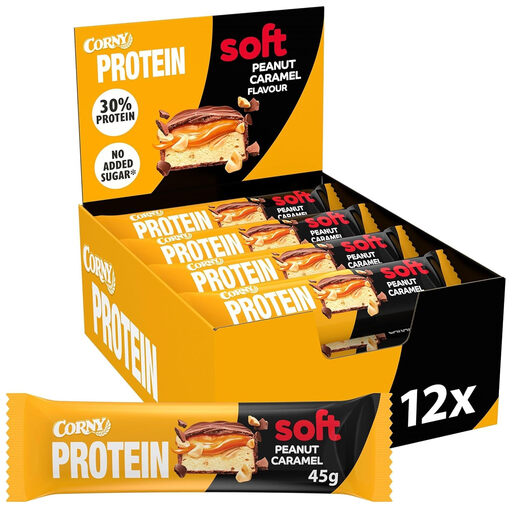
The peanut caramel variety is an option if you’re planning a single portion for your film night.
The product title states that the pack contains 12 bars of 45 g each, with 30% protein. Check the fat, energy and protein using the nutrition information on the specific pack. As this is a peanut variety, read the ingredients and allergen information too.
 No image available
The Cookies & Cream bar is a flavour option if you’re looking for a single sweet snack for your film night.
The product title states that each bar weighs 40 g. Check the fat and energy per 100 g and per bar on the packaging before comparing its portion with other varieties.
No. A claim about added sugar doesn’t tell you the fat content. Compare the fat figures per 100 g and per portion for the specific bars. The consumer advice centre (Verbraucherzentrale) recommends assessing marketing claims alongside the nutrition information.
For a film-night comparison, bar weight, nutrition information, ingredients and allergens all matter. The consumer advice centre (Verbraucherzentrale) explains that packaged foods must provide information about, among other things, their ingredients and allergens. The claims on the front of the pack don’t replace checking the specific labelling.
This warning may relate to the sugar alcohols they contain. According to the consumer advice centre (Verbraucherzentrale), consuming large amounts can have a laxative effect. Check the ingredients and warnings for the specific variety, especially if you plan to eat more than one bar.
No, a protein bar isn’t essential for a film night. The consumer advice centre (Verbraucherzentrale) generally considers protein intake in Germany to be good. Decide whether the bar suits you better than the snack you’d usually choose, based on portion size, flavour, ingredients and nutrition information.