What should you look for when choosing one?
First, decide whether the bar is an occasional extra for a packed lunch or a snack to take with you. Then compare the actual serving size and the information on the specific pack.
| What matters |
What to check before buying |
Who it matters to |
| A varied school lunch |
Portion size and the other things in the lunch; remember to include a drink. |
If I’m packing a lunch every day, I don’t want to leave out other foods just because a bar has a protein claim on the front. This is the main priority for around 39% of shoppers. |
| A snack on sport days |
Protein per bar, rather than per 100 g alone, as well as the ingredients in the variety you choose. |
If there’s a long journey between the end of the school day and training, I need something easy to take with me. This practical need comes first for around 23% of shoppers. |
| Plant-based ingredients and allergens |
The ingredients list, highlighted allergens and any warnings about possible traces. |
If I want to avoid dairy ingredients or eat a plant-based diet, the individual recipe needs to meet my requirements. Around 15% of shoppers put ingredient suitability first. |
| Sweeteners and nutritional values |
The types of sweeteners used, as well as the sugar, fat and protein listed per serving. |
If I’m taking a bar regularly, I want to know what else it contains besides protein and whether there are any consumption warnings. This is the main priority for around 23% of shoppers. |
Protein bars and snacks at Joybuy
This selection features portable protein bars and a protein bite for when you’re out and about. The information for each variety can help you compare them, but not every product is specifically intended for children or described as a regular school lunch option.
 No image available
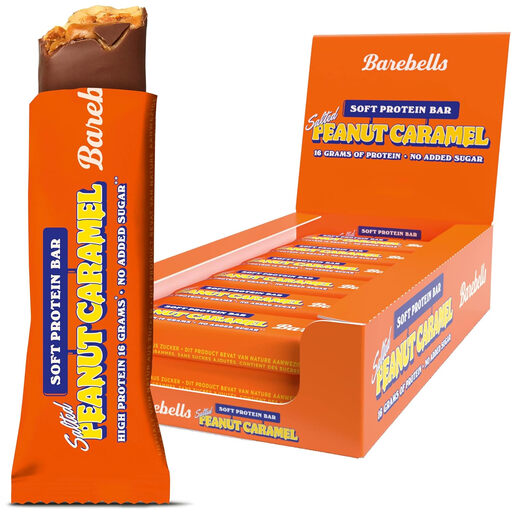
Barebells Soft Protein Bar Salted Peanut Caramel, 12 × 55 g
Individually wrapped, this variety could be a handy snack between school and sport, but it’s not a replacement for a full lunch.
The product information lists milk and peanuts, as well as maltitol, xylitol and sucralose. If you have an allergy, check the specific pack; according to the product warning, excessive consumption may have a laxative effect.
View at Joybuy
 No image available
Barebells Vegan Protein Bar Peanut Caramel, 12 × 55 g
Labelled vegan, this variety could suit a plant-based snack on the go; vegan doesn’t mean allergen-free.
The product information lists peanuts, wheat and soya, as well as maltitol and sucralose. Different protein amounts per bar are stated, so check the nutritional information on the specific pack before comparing.
View at Joybuy
 No image available
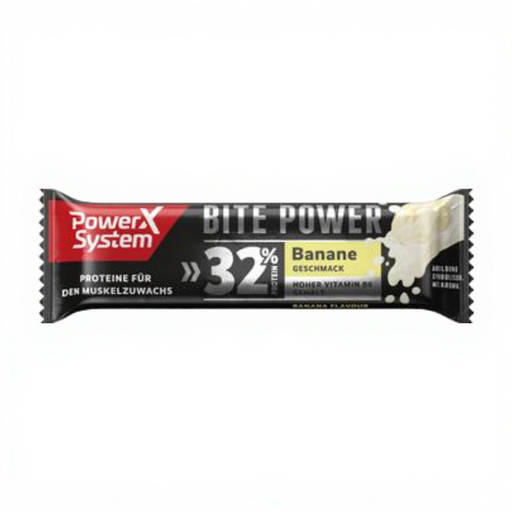
Power System 32% Protein Bite Power, banana flavour, 35 g
The small size could make it a handy snack on the go. However, take particular care if considering it for a younger child’s school lunch: the product description calls it a food supplement and says to keep it out of reach of small children.
The product information lists milk, soya and egg, as well as possible traces of other allergens. To compare protein per bite, check the serving information on the pack.
View at Joybuy
 No image available
Power System Low Carb Cookies & Cream Protein Bar, 40 g
This 40-g bar is an option for when you’re out and about; its product name doesn’t mean it’s specifically suitable as a regular school lunch.
The product information lists milk, soya, maltitol and sucralose, as well as possible traces of other allergens. According to the product warning, excessive consumption may have a laxative effect. Check the nutritional information on the specific pack to compare portions.
View at Joybuy
 No image available
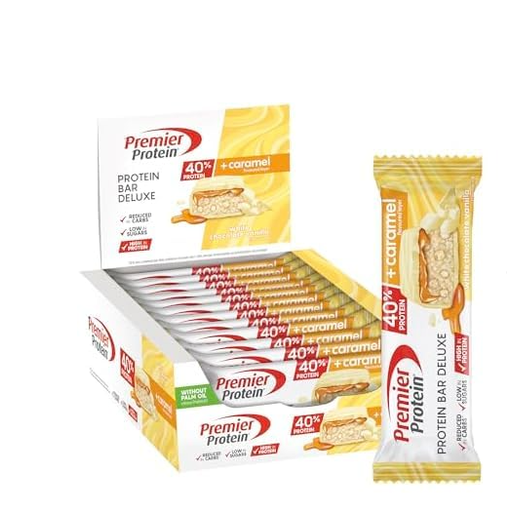
Premier Protein Protein Bar Deluxe 40% White Chocolate Vanilla, 12 × 50 g
According to the product information, this bar is intended for adults, so don’t choose it for a school lunch just because it comes in a handy snack format.
The protein figures in the heading and nutritional information differ, so check the specific pack before comparing. The product information lists milk, soya, wheat and sweeteners.
View at Joybuy
Frequently asked questions
Should a protein bar replace a school lunch?
A protein bar isn’t an obvious choice as a regular replacement. The German Nutrition Society recommends that children and teenagers get a suitable amount of carbohydrates, protein and fat; a bar can occasionally be added to the rest of the lunch.
Do active teenagers need a protein bar after training?
Not necessarily. According to the consumer advice centre, you can meet your protein needs through everyday protein-rich foods, even when you do sport. A bar is mainly a handy option when you need a snack on the go.
How can I identify allergens in a packaged protein bar?
Check the ingredients list and allergen information on the specific pack. Under the EU labelling rules explained by Your Europe, allergens in prepacked foods must be highlighted in the ingredients list. Warnings about possible traces can also be important when choosing a product.
What does the warning “excessive consumption may have a laxative effect” mean?
This warning relates to the possible effect of consuming large amounts of certain sugar alcohols. The consumer advice centre explains this link. If a bar contains ingredients such as maltitol, read the consumption advice on the specific pack.
Is a bar with no added sugar automatically suitable for a school lunch?
No, that claim alone doesn’t answer the question. Consider the portion size, the full nutritional information and ingredients, and how the bar fits into the lunch you’re packing.


