For lunch on the go, a protein bar is a practical choice when you need a snack that’s ready to eat straight away – but it shouldn’t regularly replace a full lunch. Compare the protein content per bar alongside the portion size, other nutritional values and ingredients. If you’re vegan or have allergies, check the label for the specific variety.
Who might find a protein bar useful?
People who train and need a snack on the go
If there’s barely any time between work, travelling and training, a pre-portioned bar is easy to take with you and needs no preparation. Compare the protein content per bar; when it comes to eating around exercise, this one snack isn’t the whole story.
People who compare ingredients and nutritional values
If you’re looking for a sweet snack with protein, you can assess its protein, sugar, energy and ingredients based on the portion you’ll actually eat. The North Rhine-Westphalia Consumer Advice Centre warns that prominent protein claims on the front of the pack can easily be misunderstood.
Vegan shoppers and people mindful of allergens
If you follow a plant-based diet, the protein source matters. If you have allergies, you’ll also need to check the ingredients and precautionary allergen statements for the specific variety. The word “vegan” alone doesn’t mean a bar is suitable for every allergy or intolerance.
What should you look for when buying?
First, consider whether you need a snack for a short lunch break or a meal. If you’re thinking of buying a protein bar as a lunch snack to take with you, use the questions below to decide what matters most to you.
| Criterion |
What to check |
Who is it important for? |
| A portion around training |
Check the protein in grams and energy per individual bar. |
I need a ready-to-eat snack I can take with me between lunch and training. For around 33 % of consumers, this need around training is the main priority. |
| Nutritional values and ingredients |
Compare the values per bar with those per 100 g; check the sugar, sweeteners and ingredients. |
When choosing a sweet snack, I want to know what’s in the portion I’ll actually eat, rather than just reading the front of the pack. Around 27 % of consumers put this comparison first. |
| Diet and allergens |
Check the protein source, ingredients, allergen information and precautionary allergen statements for the specific variety. |
A bar needs to suit my plant-based diet or avoid ingredients I can’t eat. For around 20 % of consumers, this is the most important reason for choosing a product. |
| A pack for everyday use |
Check the bar weight, number of portions and the variety you want before buying a multipack. |
For the office or my commute, I want to have snacks ready without committing to one variety too soon. For around 20 % of consumers, this everyday need comes first. |
Which common buying mistakes should you avoid?
-
Confusing a percentage with grams per bar
20 % protein and 20 g of protein don’t mean the same thing. The North Rhine-Westphalia Consumer Advice Centre highlights this difference in the labelling of protein snacks.
Check the protein content in grams per bar and take the portion weight into account.
-
Automatically treating a bar as a complete lunch
A ready-to-eat bar can fill a gap between snacks, but its protein content alone doesn’t make it a varied meal. The German Nutrition Society and consumer advice centres don’t consider extra high-protein products necessary for most people.
Plan to have a bar as a snack. If you’re using it instead of lunch, think about what other foods you could add to make a complete meal.
-
Assuming all varieties from a brand are the same
Protein sources and allergen information can vary between bars. And even a bar labelled vegan isn’t automatically suitable for every allergy.
For each variety, check the ingredients, highlighted allergens and any precautionary allergen statements on the pack.
Protein bar brands to consider
ESN
ESN offers the Designer Protein Bar as an individually portioned protein bar. According to ESN, its 45-g bars contain 14–15 g of protein, depending on the variety.
- The protein content is given per individual portion.
- Ingredients and allergens can vary between Designer Protein Bar varieties; check the protein source and allergen information in particular.
Barebells
Barebells offers a range of protein bars, including classic, soft and vegan varieties. The brand states that some of its range contains up to 20 g of protein per bar.
- There’s a choice of varieties with different recipes and textures.
- The “up to 20 g” claim doesn’t apply to every Barebells bar; compare the specific variety and portion size.
Rocka Nutrition
Rocka Nutrition describes its Protein Bar as vegan and states that it contains 12 g of plant-based protein per bar.
- Its plant-based recipe is an option if you want to avoid animal-derived ingredients.
- Check the ingredients and allergen information for your chosen variety, even with this bar; protein content alone doesn’t determine whether it’s suitable for lunch.
IronMaxx
IronMaxx offers the Protein 30 range, among other products, with 35-g bars in several flavours.
- The bar’s weight makes the size of each portion clear.
- “30 % protein” isn’t the same as a gram amount per bar; check the nutritional information for the specific variety.
Protein bars for on the go at Joybuy
This selection includes individually portioned protein bars and a protein bite for snacking on the go, including a variety labelled vegan. When deciding whether one is right for lunch, the nutritional values and ingredients of the specific portion are what matter.
 No image available
BE-KIND Protein Caramel Nut, 12 × 50 g
These individually portioned bars make a handy snack to keep in your bag or at work. Compare the nutritional information per 50-g bar and check the ingredients and allergen information for this variety before buying.
View on Joybuy
 No image available
ESN Protein Designer Bar Hazelnut Nougat, 12 × 45 g
A handy portioned snack between meals or around training: this variety contains 14 g of protein per 45-g bar. Check the ingredients, allergens and other nutritional values on the specific pack too.
View on Joybuy
 No image available
Barebells Vegan Protein Bar Peanut Caramel, 12 × 55 g
This variety, labelled vegan, could be a good choice if you’re looking for a plant-based protein bar to take with you. The pack contains twelve 55-g bars; check the ingredients and allergen information for the specific variety.
View on Joybuy
 No image available
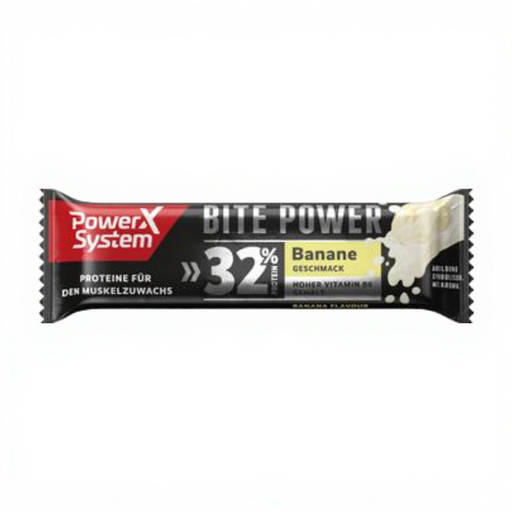
Power System 32 % Protein Bite Power, Banana, 35 g
The 35-g size could suit you if you want a small snack portion to take with you. The “32 %” in the product name doesn’t mean 32 g of protein per bite; check the nutritional information on the pack for the amount in your portion.
View on Joybuy
 No image available
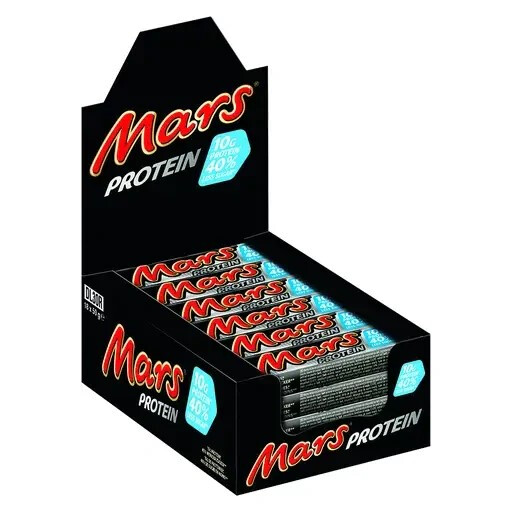
Mars Protein Bars, 18 × 50 g
This multipack could be a good choice if you want to keep 50-g bars handy for several snack breaks. Before choosing, compare the nutritional values per bar and check the ingredients and allergen information.
View on Joybuy
Frequently asked questions
Is a protein bar enough for lunch on the go?
A protein bar isn’t an obvious choice as a regular replacement for a full lunch; it’s better suited to filling a gap between meals. The German Nutrition Society and consumer advice centres point out that most people don’t need extra high-protein products. So if you’re planning a meal, look beyond its protein content alone.
Should I compare grams of protein or the percentage?
First, compare the grams of protein in the bar you’ll actually eat. The North Rhine-Westphalia Consumer Advice Centre points out that 20 g and 20 % protein represent different amounts in a 50-g snack. Then check the other nutritional values and ingredients too.
Does “no added sugar” tell me enough about a bar?
No, that claim alone tells you neither the total sugar content nor everything else in the bar. Also read the nutritional information per portion and check the ingredients list for sweeteners or polyols.
How can I tell if a protein bar is suitable for someone with an allergy?
The ingredients and allergen information for the specific variety are what matter, not just the brand name or product category. Check the current pack for precautionary allergen statements too; the word “vegan” doesn’t replace this check.


