What should you look for when buying?
First, decide which ingredient or feature matters most to you. Then compare only varieties whose specific labelling meets that need; you can look at protein content and portion size afterwards.
| What to check |
What to look for when buying |
Who it matters most to |
| Specific allergens |
Check the ingredients and precautionary allergen information on the packaging of your chosen variety for the allergen that needs to be avoided. |
If I’m packing a bar for someone with a food allergy, I need to check for the specific allergen that affects them. Around 36% of shoppers put this product-specific check first. |
| Vegan or lactose-free |
Check the relevant claim, then review the ingredients and precautionary allergen information too. |
I want to avoid animal-derived ingredients or lactose at my picnic without overlooking other ingredients that matter to me. Around 29% of shoppers prioritise this when choosing. |
| Gluten-free |
Check the gluten-free claim for the variety and assess its other ingredients separately. |
If the bar I’m bringing needs to be gluten-free, a vegan claim on its own isn’t enough. Around 21% of shoppers prioritise this requirement. |
| Portion size and portability |
Distinguish the protein content per bar from the figure per 100 g; check the storage and consumption advice. |
For my day out, what matters is what’s in one portion and how to store the bar until I eat it. Around 14% of shoppers give this practical comparison priority. |
Useful brands to help guide your choice
Brand names can help you find recipes, but you’ll still need to compare individual varieties. These examples show the differences in ingredients and labelling that matter for a picnic.
Barebells
Barebells offers protein bars in a range of recipes, including plant-based options.
- You can compare the protein content of each variety with the portion you plan to take.
- Barebells notes that ingredients and possible traces vary by variety. This doesn’t allow you to make a general assumption about whether its products are suitable for people with allergies.
Sportness
dm’s own brand offers protein bars in a range of recipes, including vegan and some lactose-free varieties.
- According to dm, Sportness Salted Caramel is labelled vegan and lactose-free.
- Salted Caramel contains soya and hazelnuts, while the vegan Banana Bread variety contains wheat gluten, according to dm. Check the labelling for each variety.
KoRo
KoRo offers plant-based protein bars, including varieties labelled gluten-free.
- According to KoRo, Pistachio White Choc is labelled vegan and gluten-free.
- The same variety contains cashews and pistachios. Gluten-free doesn’t mean suitable for someone with a nut allergy.
RAWBITE
The RAWBITE Crunchy Almond variety described here contains ingredients including almonds and rice protein.
- The 45 g portion makes it easy to compare the nutritional information for the bar you’ll actually be taking with you.
- The recipe described by nu3 contains almonds, so it isn’t suitable for people who need to avoid them.
Protein bars on Joybuy
These protein bars could work as pre-portioned snacks for the park, provided the ingredients and allergen labelling for each variety meet your needs. Some are labelled gluten-free or vegan, while others may be of interest for their portion size and ingredients. None of these features replaces checking the specific product packaging.
 No image available
BE-KIND Protein Caramel Nut – 12 × 50 g
An option if you’re looking for a pre-portioned protein bar and can check the ingredients against your allergy requirements before the picnic.
Described as gluten-free; peanuts, milk and soya are listed as ingredients, and it may contain other nuts. The packaging advises keeping the bar out of direct sunlight.
View on Joybuy
 No image available
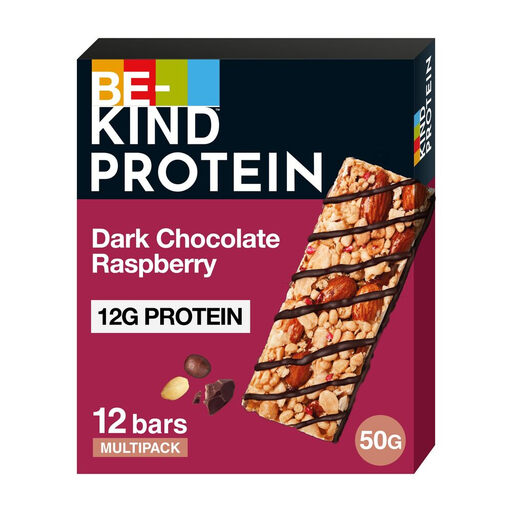
BE-KIND Protein Dark Chocolate Raspberry RG – 12 × 50 g
Suitable for comparing portion sizes at a picnic, provided the allergens in this variety meet your needs.
Described as gluten-free; the ingredients list peanuts, almonds and soya, and it may contain traces of milk and other nuts. The advice to keep it out of direct sunlight also applies to this variety.
View on Joybuy
 No image available
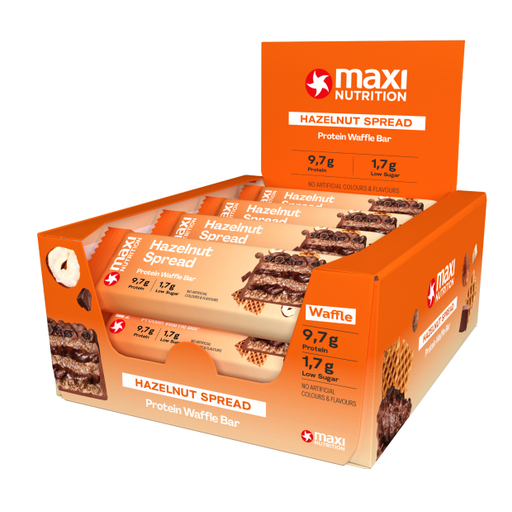
Maxi Nutrition Muesli Nut Butter Protein Wafer Bars – 12 × 39 g
A pre-portioned bar for shoppers who mainly want to compare ingredients and nutritional information, rather than assume it meets a general free-from requirement.
The product name states 25% protein. The ingredients list cereals containing gluten, milk, soya and hazelnuts; possible traces of other nuts are also relevant. According to the product advice, excessive consumption may have a laxative effect due to the sweetener it contains.
View on Joybuy
 No image available
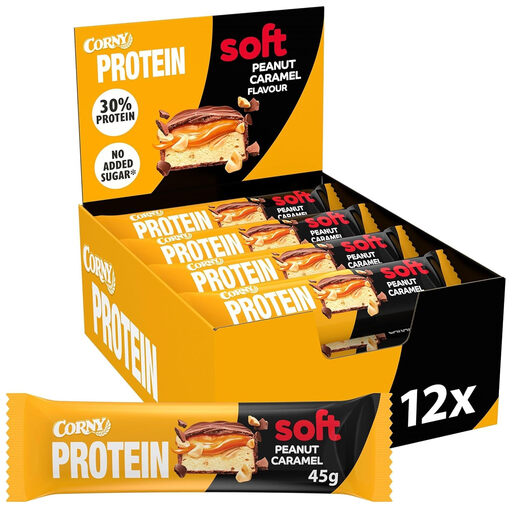
Corny No Added Sugar Protein Bars Soft Peanut-Caramel – 12 × 45 g
A portion-sized option for your picnic if you check the ingredients and consumption advice against your needs beforehand.
The product name states 30% protein. The allergen information includes milk, soya, hazelnuts and ingredients containing gluten; check the packaging for any further precautionary allergen information. According to the product advice, excessive consumption may have a laxative effect.
View on Joybuy
 No image available
Barebells Vegan Protein Bar Peanut Caramel – 12 × 55 g
A vegan option for a picnic, provided the specific ingredients and precautionary allergen information meet your needs.
The ingredients list peanuts, wheat protein and soya protein. If the protein content per bar matters for your comparison, check the packaging: the product description and nutrition table give different figures.
View on Joybuy
Frequently asked questions
Is a vegan protein bar automatically suitable for people with allergies?
No. Vegan doesn’t mean free from soya, nuts or other allergens. For example, according to dm, vegan Sportness Salted Caramel contains soya and hazelnuts and may contain traces of other allergens. The labelling for the variety you choose is what matters.
What does “May contain traces of …” mean?
This warning indicates that the named allergen may have been unintentionally introduced; it doesn’t confirm that the bar definitely contains it. If the allergen matters to you, take this warning into account alongside the ingredients list when choosing.
Which information on the packaging should I compare if I have an allergy?
Check the ingredients and precautionary allergen information for each variety, focusing on the allergen that needs to be avoided. Lebensmittelverband Deutschland explains how common allergy triggers are labelled in ingredients lists; a vegan, gluten-free or lactose-free claim doesn’t answer questions about every other allergen.
Can I take a protein bar to a sunny picnic in the park?
Yes, as long as you follow the storage advice for the specific bar while transporting it and until you eat it. For example, dm recommends storing Sportness Banana Bread in a cool, dry place away from direct sunlight.
What should I look out for in bars containing sweeteners?
Read the consumption advice for your chosen variety, especially if you’re packing more than one bar. For the Sportness varieties described, dm warns that excessive consumption may have a laxative effect.


