A multipack of protein bars isn’t an obvious choice for a toddler’s regular snack time: the Healthy Start network recommends offering sweets and snack products sparingly. For eating on the go, a small snack prepared in an age-appropriate way is a better option. When buying packaged foods, check the ingredients and allergen information first.
Who needs to make this decision?
Parents looking for snacks on the go
If you’re looking for a small snack for a planned break, choose foods prepared in an age-appropriate way. Recommendations from the Healthy Start network can help, while a protein claim alone doesn’t tell you whether a snack is suitable for a toddler.
Parents who want to assess a protein claim
A prominent protein figure doesn’t tell you whether a bar is suitable for regular snack time. The Hamburg Consumer Advice Centre points out that many products with added protein are highly processed, so checking the ingredients and nutritional information remains important.
Parents who need to check ingredients carefully
If you need to check ingredients carefully because of a known allergy or intolerance, you’ll need clear, legible information before you buy. In 2025, the North Rhine-Westphalia Consumer Advice Centre reported that this information was sometimes difficult to access on the protein snacks it examined.
What should you look for when buying?
Protein bar multipack
Our take: Don’t plan this as a regular snack for a toddler, even if the bars are individually wrapped.
The trade-off: The packaging is convenient, but the protein claim is no substitute for checking the ingredients and nutritional information or choosing foods that are suitable for your child’s age.
Age-appropriate snack
A good fit when: You want to prepare a small, planned snack break for when you’re out and about.
The trade-off: Depending on what you choose, bread, fruit, vegetables or yoghurt may need more preparation, suitable packaging or refrigeration.
| What matters |
What to check |
Who it matters most to |
| Age-appropriate snack |
Choose foods and portion sizes to suit your child’s age and ability to chew; avoid whole or chopped nuts. |
If I want to have a planned snack break while we’re out, I need something my toddler can chew safely, rather than relying on a protein claim. For around 42% of consumers, an age-appropriate snack is the priority. |
| Sugar and sweeteners |
Read the ingredients list and nutritional information instead of relying on claims on the front of the pack. |
When buying sweet, packaged snacks, I want to know what they contain before they become a regular snack habit. Limiting sweet snacks is the main concern for around 33% of consumers. |
| Ingredients and allergens |
Check that the ingredients list and allergen information are legible before buying; compare protein figures only on the same basis. |
If I need to avoid certain ingredients for my child, I need clear labelling. This check takes priority for around 25% of consumers. |
Common misconceptions
-
“High protein” doesn’t mean “suitable for toddlers”
Protein content alone doesn’t tell you whether a product is suitable as a regular snack. The Healthy Start network recommends offering sweets and snack products sparingly to toddlers.
Start with the planned snack break and an age-appropriate choice of food, not the claim on the bar.
-
Comparing protein figures on the front of packs
Figures in grams and percentages may be based on different amounts. The North Rhine-Westphalia Consumer Advice Centre also noted that nutritional information was difficult to access on some of the protein snacks it examined.
Check the weight of the bar and compare protein figures on the same basis, such as per 100 g or per serving.
-
Assuming sweeteners are automatically a suitable alternative
According to the Consumer Advice Centre, products containing sweeteners and sugar substitutes are generally not a suitable alternative for children. A claim on the front of the pack is no substitute for checking the ingredients here either.
Read the ingredients list and nutritional information, and don’t plan sweet bars as a regular snack.
-
Leaving allergen checks until after you buy
If your child has a known allergy or intolerance, you need to be able to check what a product contains before choosing it. In a market survey by the North Rhine-Westphalia Consumer Advice Centre, information on some protein snacks was difficult to read because it was tucked behind packaging flaps.
Only choose a product if you can clearly check the ingredients and allergen information you need before buying.
Brands to consider
There are no brand profiles to show at the moment.
A snack alternative at Joybuy
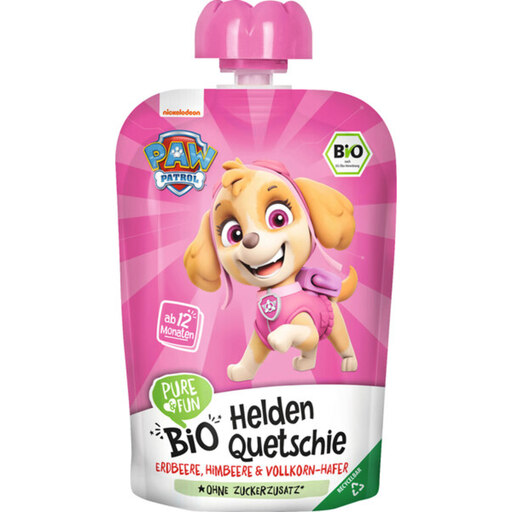
If you’re looking for a pre-portioned alternative to a protein bar for when you’re out and about, you can assess the fruit and oat snack below by checking its age recommendation, labelling and instructions for use. It’s not a substitute for choosing a snack that’s right for your child.
 No image available
PURE & FUN Bio Heroes Squeezers Pink – strawberry, raspberry and wholegrain oats, from 12 months
A pre-portioned option for a planned snack break when you’re out and about, if you’d rather not choose a protein bar.
Give only under supervision and keep the cap away from your child due to the risk of choking. Check the ingredients, allergens and nutritional information on the pack before buying; refrigerate after opening.
View at Joybuy
Frequently asked questions
Are protein bars suitable for a toddler’s daily snack time?
They’re not an obvious choice as a regular everyday snack. The Healthy Start network recommends offering sweets and snack products sparingly to toddlers. If your child is following a medically prescribed diet, discuss suitable options with their healthcare professional.
How can I compare the protein content of bars?
Only compare protein figures on the same basis. Check the weight of the bar and the nutritional information per 100 g or per serving: a figure in grams and a percentage don’t mean the same thing.
What’s a better choice for a snack break when we’re out and about?
A small snack prepared in an age-appropriate way is a better option than stocking up on protein bars. The Federal Centre for Health Education suggests options such as bread or cereal with milk or yoghurt, as well as fruit or vegetables. The choice and size of pieces need to suit your child’s ability to chew. The Healthy Start network advises against whole or chopped nuts for toddlers because of the risk of choking.
What should I read on a packaged snack before buying it?
Check the ingredients list, allergen information and nutritional details before choosing a snack for your child. If you need to take a known allergy or intolerance into account, don’t treat a product with unclear labelling as an option you’ve already checked.


