What should you look for when buying?
When choosing a protein bar for breakfast on the go, first identify the ingredient you need to avoid. Then check that the dietary claim and nutritional information match your needs, based on the bar you’ll actually eat.
| Consideration |
What to check |
Who it matters most to |
| Specific allergen |
Read the current ingredients list and the allergens highlighted for that variety; check any ‘may contain traces’ warning too. |
If I need to avoid a particular allergen, a general claim on the front of the pack isn’t enough. For around 36% of consumers, avoiding a specific allergen comes first. |
| Dietary requirements |
Check the relevant claim for that variety, then read the ingredients and any possible traces separately. |
I’m looking for a plant-based or explicitly gluten-free bar, but I don’t want to assume that this says anything about other allergens. For around 29% of consumers, these dietary requirements take priority. |
| Protein and sugar |
Compare protein and sugar per bar with its weight; check the ingredients list for sweeteners if needed. |
If I’m having just one bar for breakfast, I’m more interested in the values for that exact portion than a large percentage figure. Around 21% of consumers put comparing protein and sugar first. |
| Practicality for everyday use |
Check the serving size, ingredients and any warnings about sugar alcohols or sweeteners. |
I want a straightforward option for my morning commute that suits my ingredient preferences. For around 14% of consumers, this is the most important factor when buying. |
Protein bars at Joybuy
This selection includes individually portioned protein bars and a protein bite for eating on the go. Check the ingredients and information for each variety to see whether a product suits your diet and the ingredients you need to avoid.
 No image available
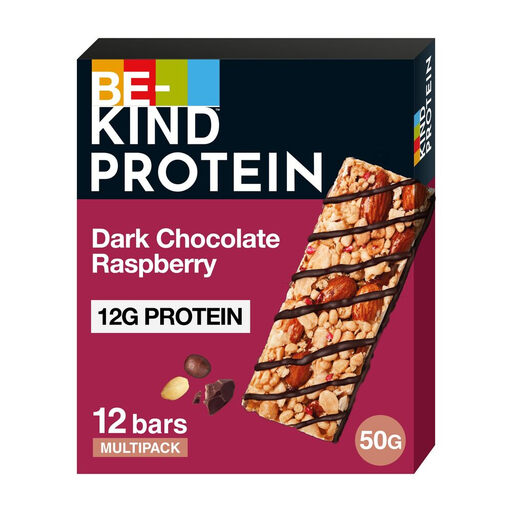
BE-KIND Protein Dark Chocolate Raspberry, 12 × 50 g
The 50 g bars can be packed individually for eating on the go. If you need to avoid gluten or particular allergens, check the claims, ingredients and ‘may contain traces’ warnings on the current pack.
View at Joybuy
 No image available
Barebells Vegan Protein Bar Peanut Caramel, 12 × 55 g
This vegan option could work for a plant-based breakfast on the go. If you have a wheat, soya or peanut allergy, check the ingredients and ‘may contain traces’ warnings on the specific pack. Also compare the protein value given per 55 g bar.
View at Joybuy
 No image available
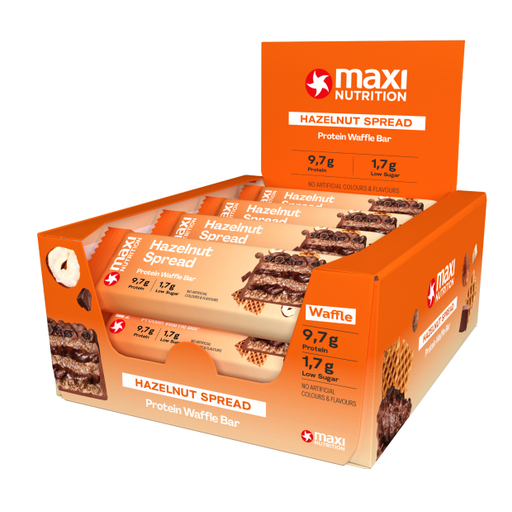
Maxi Nutrition Muesli Nut Butter Protein Wafer Bars, 12 × 39 g
The 39 g size makes it easy to compare individual portions for eating on the go. If you need to avoid wheat, milk, soya or hazelnuts, check the ingredients and ‘may contain traces’ warnings for this variety. Also note the information about maltitol and excessive consumption.
View at Joybuy
 No image available
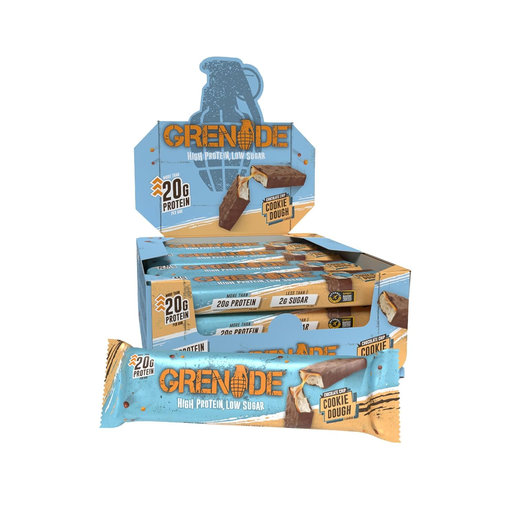
Grenade Carb Killa Choc Chip Cookie Dough, 12 × 60 g
To compare a 60 g bar as a breakfast portion, check the nutritional information per bar. If you have a milk or soya allergy, or follow a plant-based diet, check the ingredients. Also look out for information about polyols and possible traces.
View at Joybuy
 No image available
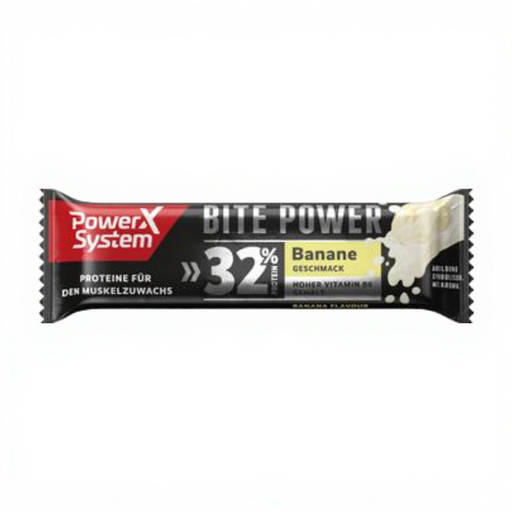
Power System 32% Protein Bite Power, Banana, 35 g
This 35 g protein bite is a handy, compact option to take with you. If the amount of protein per piece matters to you, check the serving information on the pack. If you have a milk, soya or egg allergy, read the ingredients and ‘may contain traces’ warnings too.
View at Joybuy
Frequently asked questions
Is a vegan protein bar automatically free from allergens?
No. A vegan claim doesn’t rule out ingredients such as wheat, soya or peanuts. According to its ingredients information, the Barebells Vegan Mix Box contains wheat and soya protein; check the full information for every variety.
Is the ‘gluten-free’ claim enough if you have an allergy?
Not if you need to avoid a different allergen. ‘Gluten-free’ refers to gluten; under the EU rules explained by Lebensmittelklarheit, the claim can be used for foods that contain no more than 20 mg of gluten per kg when sold to consumers. You’ll still need to check the specific ingredients for milk, soya or nuts.
What does ‘may contain traces of …’ mean?
The warning refers to possible accidental contamination, not an ingredient that has been deliberately added. Lebensmittelklarheit distinguishes these trace warnings from the mandatory labelling of allergens used as ingredients, and notes that trace warnings are not governed by consistent legal requirements.
How do I compare the protein in bars I’m considering for breakfast?
Compare the grams of protein per bar you’ll actually eat, taking its weight into account. Lebensmittelklarheit and a market survey by the North Rhine-Westphalia Consumer Advice Centre note that protein information may be presented in different ways. Check the other nutritional values per portion too.
Do you need a protein bar for breakfast every day?
No. You don’t need a protein bar to get enough protein. The Consumer Advice Centre notes that you can also meet your needs with everyday protein-rich foods. A bar can be a convenient option when you’re out and about, as long as its ingredients and serving information suit your needs.


