What should you look for when buying?
First, work out whether you need to avoid a specific allergen. Then you can compare dietary suitability, ingredients and portion size in a meaningful way.
| What you’re looking for | What to check when buying | Who it matters most to |
|---|
| A specific allergen |
Check the current ingredients and highlighted allergens; if cross-contamination is a concern, also check any ‘may contain’ information and, if necessary, contact the manufacturer. |
If I need to avoid a specific allergen, I want to be able to assess every bar individually before handing them out. Around 36% of consumers put this specific requirement first. |
| Vegan and gluten-free |
Check both claims on the product you’ve chosen, and don’t overlook the other ingredients, particularly peanuts and tree nuts. |
For my plant-based, gluten-free snack, I need both claims, but I can’t assume that means it’s nut-free. Around 29% of consumers prioritise this combination. |
| Protein, sugar and sweeteners |
Compare the nutritional information per bar and per 100 g; check the ingredients list for sweeteners and look out for warnings. |
For an individual snack, I want to consider protein and sugar alongside the ingredients. This balance comes first for around 21% of consumers. |
| A snack to take with you |
Check the bar’s weight and pack size against the number of snacks you’re planning; check the packaging information before handing them out. |
If I’m planning to take several bars to the Easter egg hunt, the right portion for each person matters most. Around 14% of consumers put this practical need first. |
Brands to consider
The examples below show different product features. Information about one bar does not automatically apply to a brand’s entire range.
Naturally PAM
dm-drogerie markt describes its Clean Dark & White protein bar as vegan, gluten-free and made without added sweeteners.
- A possible choice if you’re looking for exactly these three product features.
- The bar contains almonds and cashews; ‘vegan’ and ‘gluten-free’ do not mean allergen-free here.
PURYA!
dm-drogerie markt describes Salted Peanut Caramel as vegan and gluten-free.
- These two features may be important if they match your dietary requirements.
- According to the ingredients and allergen information, this bar contains peanuts and hazelnuts.
WellMix
ROSSMANN describes its vegan Chocolate Brownie protein bar as containing 32% plant protein and having a low-sugar formula.
- The product information gives you a starting point for comparing protein and sugar.
- To check whether it meets a specific allergen exclusion, you’ll need to read the full information on the current pack.
Protein bars at Joybuy
These bars may suit different priorities for the Easter egg hunt, such as a vegan recipe, a particular portion size, or comparing protein and sugar. If you need to avoid an allergen, always check the current labelling on the individual product.
 No image available
Barebells Vegan Protein Bar Peanut Caramel, 12 × 55 g
If you’re choosing a bar labelled vegan in a multipack, this pack contains twelve 55 g portions.
This recipe isn’t suitable if you need to avoid peanuts or soya. Check the current packaging for more information about possible traces before handing them out; ‘vegan’ doesn’t mean gluten-free.
View at Joybuy
 No image available
Premier Protein 50% Bar Chocolate Caramel, 16 × 40 g
Choose the pack of 16 bars, each weighing 40 g, to suit the number of individual snacks you’re planning.
To assess the nutritional content, the nutritional information and ingredients list matter more than ‘50%’ in the product name alone. The product information lists milk and soya, as well as sweeteners; note the warning that excessive consumption may have a laxative effect.
View at Joybuy
 No image available
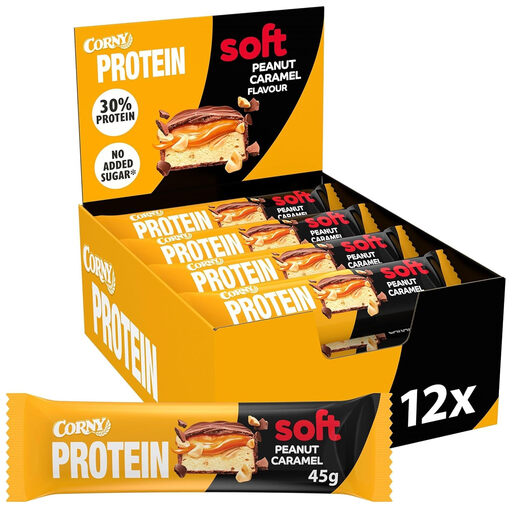
Corny No Added Sugar Protein Bars Soft Peanut-Caramel Flavor, 12 × 45 g
The twelve 45 g bars are a handy portion option if you’re planning to have several individual snacks.
‘No Added Sugar’ doesn’t mean ‘no sweeteners’: the product information lists maltitol and warns that excessive consumption may have a laxative effect. If you need to avoid milk, soya, peanuts or barley, check the current ingredients and allergen information.
View at Joybuy
 No image available
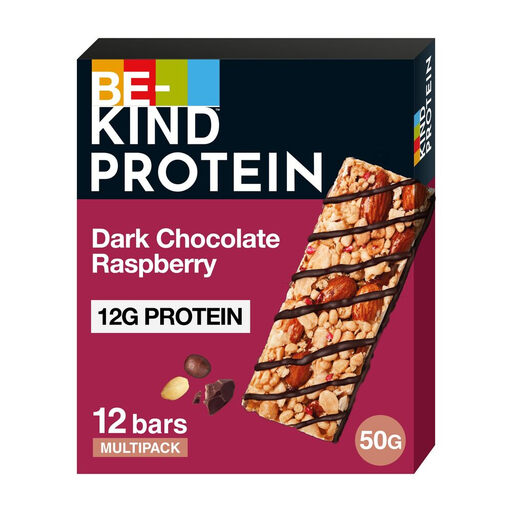
BE-KIND Protein Dark Chocolate Raspberry RG, 12 × 50 g
If you’re planning to offer this flavour to several people, the pack contains twelve 50 g portions.
The product description says it’s gluten-free, but lists peanuts, almonds and soya as ingredients. So if someone has a nut or peanut allergy, gluten-free labelling is no substitute for checking the current pack.
View at Joybuy
 No image available
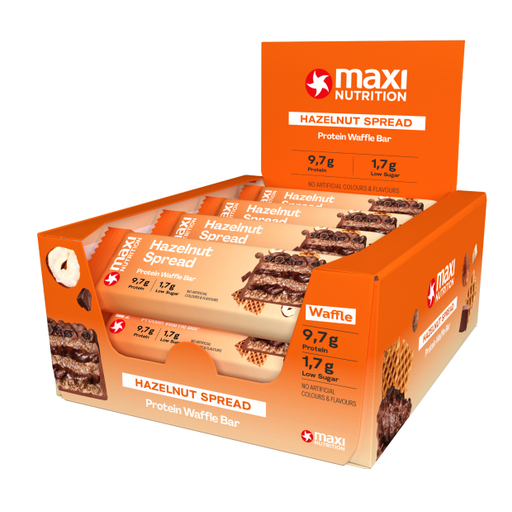
Maxi Nutrition Muesli Nut Butter Protein Wafer Bars No Added Sugar, 12 × 39 g
The pack of twelve 39 g bars makes it easy to match the quantity to the number of individual portions you need.
‘No Added Sugar’ doesn’t mean allergen-free. The product information lists wheat, milk, soya and hazelnuts, as well as maltitol; check the current labelling and warning about excessive consumption before handing them out.
View at Joybuy
Frequently asked questions
Are ‘vegan’ or ‘gluten-free’ bars suitable if someone has a nut or peanut allergy?
No. These claims don’t rule out nuts or peanuts. According to the product information from dm-drogerie markt, PURYA! Salted Peanut Caramel is vegan and gluten-free, but contains peanuts and hazelnuts. If you have an allergy, always check the labelling for the specific bar.
How must allergens used intentionally be labelled on packaged bars in Germany?
According to the Federal Ministry of Agriculture, Food and Regional Identity, the 14 most common causes of allergies and intolerances must be declared on pre-packed foods. Read the ingredients list and highlighted allergen information on the current packaging.
Does the absence of a ‘may contain’ warning rule out cross-contamination?
No. The Bavarian State Office for Health and Food Safety explains that there is no requirement to label unintended contamination in the same way as allergenic ingredients used intentionally. If cross-contamination matters to your decision, you may wish to contact the manufacturer about the specific product.
How can I spot sweeteners in a protein bar?
Check the ingredients list for the name of the sweetener or its E number, and look out for any information on the packaging. The consumer advice centre points out that consuming large amounts of sugar substitutes may have a laxative effect.
How can I compare bars with different portion sizes?
Compare the nutritional information both per bar and per 100 g. For the Easter egg hunt, the per-bar figures show the portion you’re planning to serve; the per-100 g figures make it easier to compare products of different weights.


