
Lieferung heute & morgen

Qualitätsgarantie

Willkommens-Angebote freischalten: KOSTENLOSE Lieferung | Bis zu 80 % RABATT | Kostenlose 30-Tage-JoyPlus-Testphase
App herunterladen
Finding a convenient and nutritious protein snack can be a challenge. The market is filled with a vast array of protein bars, each differing significantly in taste, nutritional value, and ingredients. Whether you need a quick post-workout snack, support for muscle growth, or a filling in-between meal, choosing the right product is crucial.
This guide is here to help. We will introduce different types of protein bars and explain the key criteria to consider when making your choice. Our goal is to provide an objective foundation so you can find the perfect fitness bar for your needs.
To make an informed decision, it's important to consider a few fundamental product features. The following points will help you better understand the information on the packaging.
Protein content is a key feature. A high-protein bar can help you meet your daily protein requirements, especially if you are physically active. The amounts vary significantly, from around 10 grams to over 50 grams per 100 grams. The protein source is also relevant. Commonly used sources include whey protein, casein, soy protein, or blends of plant-based proteins like pea or rice protein. The choice depends on personal preferences and any potential intolerances.
It's wise to look at the entire nutritional table. Many bars are advertised as having "no added sugar". In these cases, sugar alcohols (polyols) like maltitol or erythritol are often used as sweeteners. These have fewer calories than sugar but can have a laxative effect if consumed in excess. In addition to the sugar content, pay attention to the total amount of carbohydrates and fats to ensure the bar fits your dietary plan.
Consider why you want to consume the bar. Are you looking for a light protein snack for in-between meals or a substantial bar for post-workout recovery? Products designed for recovery often contain a combination of protein and carbohydrates. Bars designed as meal replacements typically have a higher calorie density and a more balanced nutrient mix. The ingredients list also provides information on the use of fibre, vitamins, or minerals.
Based on the criteria mentioned, we have compiled a selection of products with different focuses.
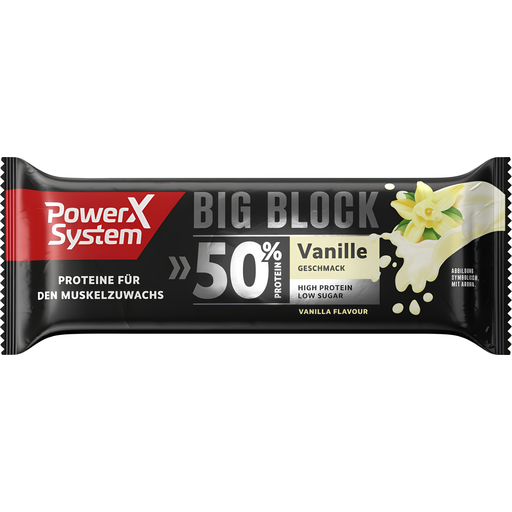
Why it stands out The Power System Big Block is distinguished by its exceptionally high protein content. With a 50% protein share, it is tailored to the needs of athletes aiming for maximum protein intake to support muscle growth and maintenance.
Benefits
Who is it for? This bar is aimed at strength and performance athletes with very high protein needs who are looking for targeted nutritional support for recovery after an intense training session.
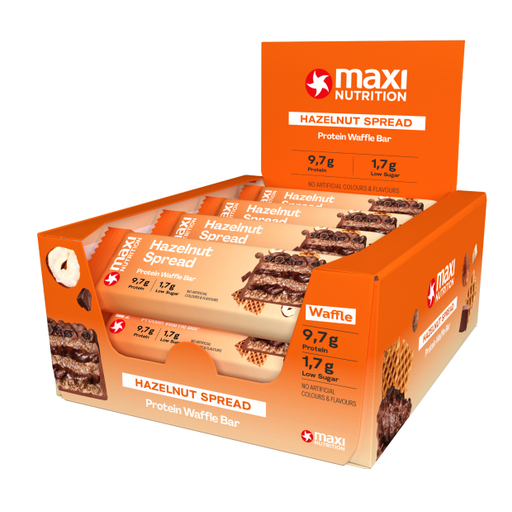
Why it stands out The Maxi Nutrition bar combines a crispy wafer texture with a creamy hazelnut and chocolate filling. It offers a unique taste experience, setting it apart from classic, denser protein bars.
Benefits
Who is it for? Ideal for those looking for a flavourful and texturally rich protein snack for everyday life. It serves as a great alternative to traditional sweets when the focus is on a higher-protein, lower-sugar diet.
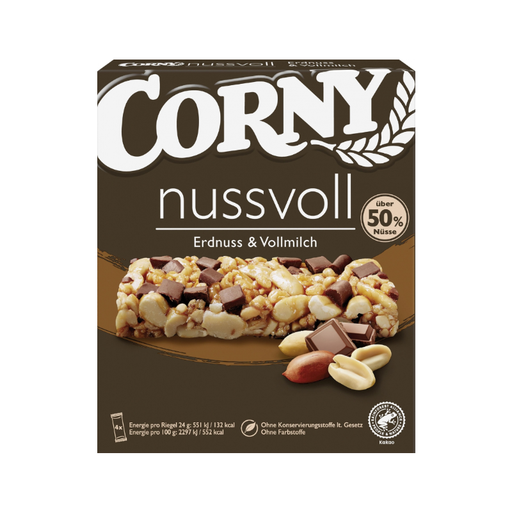
Why it stands out This bar from Corny focuses on natural ingredients, with a very high nut content of over 50%. It offers a balanced mix of protein, fats, and carbohydrates from roasted peanuts.
Benefits
Who is it for? This bar is a great choice for anyone who prefers a nut-based, satisfying snack for in-between meals. It is less suited as a pure post-workout bar and more as a nutritious snack for daily life or outdoor activities.
The products featured here cover a range of different needs. If you haven't found the right product yet, or if you'd prefer a broader overview, you can find more alternatives in our category.
Explore our entire range of Cereal Bars and find the bar that perfectly fits your lifestyle.
The optimal time depends on your goal. As a post-workout snack, a bar can support recovery within 30 to 60 minutes after training. As an in-between meal, it helps to satisfy hunger and distribute your protein intake throughout the day.
A protein bar is a convenient tool, but it is not a mandatory requirement for muscle growth. What's crucial is regular strength training and a sufficient total protein intake from your daily diet. Bars can help you reach your personal protein goals more easily.
Check the ingredients list for sugar alcohols (e.g., maltitol, sorbitol, erythritol). These sweeteners are used instead of sugar. As is often noted on product packaging, excessive consumption can have a laxative effect. Also, pay attention to the total carbohydrate content if you are following a low-carb diet.