When choosing a protein bar for your gym bag, the protein content per individual bar tells you more than a high percentage printed on the front. If you mainly want to limit carbohydrates, check that figure separately: ‘Lower Carb’ doesn’t automatically mean more protein per serving. Ingredients, allergens and warnings about sugar substitutes may also narrow down your options.
Who this choice matters to
People who train and compare protein per snack
If you want a bar in your bag for the time between a workout and your next meal, the protein content in grams per individual bar is more useful than the figure per 100 g on its own. So always take the bar’s weight into account when comparing options.
Consumers focusing on carbohydrates
If you want to limit the carbohydrates in your snack, compare the nutritional information for the specific varieties. A protein bar marketed as reduced-carb won’t necessarily also provide the most protein per serving.
Consumers who need to check ingredients carefully
If you have allergen requirements or are sensitive to sugar substitutes, check the labelling for the specific variety. Read the ingredients, allergen and precautionary information, and consumption advice on the latest packaging.
What to look for when buying
First decide whether protein per bar, fewer carbohydrates or a suitable ingredients list matters most to you. An ordinary bar could also work as an on-the-go snack if you don’t have a specific nutritional requirement.
| What matters to you |
What to check when buying |
Who it matters to |
| Protein per bar |
Compare protein per 100 g with the weight of the individual bar, then calculate the amount per serving. |
Between a workout and my next meal, I want to know how much protein my individual snack actually contains. Around 42% of consumers prioritise this amount per serving. |
| Carbohydrates |
Compare carbohydrates and protein on the same serving basis; don’t take the term ‘Lower Carb’ as a measure of protein content. |
For my snack, I mainly want to keep an eye on the amount of carbohydrates, even if another bar might contain more protein. This is the main priority for around 33% of consumers. |
| Ingredients and tolerance |
Check the ingredients, allergens, possible traces and information about sugar substitutes on the specific packaging. |
If I need to avoid certain ingredients or react to sugar substitutes, a suitable recipe matters more than the highest protein content. This is the top priority for around 25% of consumers. |
Common comparison mistakes
-
Confusing the percentage with protein per bar
A figure per 100 g doesn’t automatically tell you how much protein you’ll get from one bar. For the MAX-BALANCE varieties listed by EDEKA, 50 g of protein per 100 g with a bar weight of 45 g works out at 22.5 g per bar; 40 g per 100 g with a bar weight of 50 g works out at 20 g.
Multiply the protein figure per 100 g by the bar’s weight in grams, then divide by 100. Check whether the stated weight refers to one bar or the whole pack.
-
Assuming ‘Lower Carb’ means more protein
The term draws attention to carbohydrates, not to the amount of protein in each bar you eat. For the Lower-Carb protein bar described by ALDI SÜD, you’ll also need the protein figure for your chosen variety to compare servings.
Prioritise the carbohydrate figure only if it’s important to your snack choice, and also compare the protein content and bar weight.
-
Leaving the ingredients list until after you buy
The bar varieties described may contain milk or soya and may carry precautionary allergen information. Some recipes contain sugar substitutes, which, according to the Verbraucherzentrale, may have a laxative effect in larger quantities.
Read the labelling for each variety, especially if you need to avoid certain ingredients. Also follow the consumption advice provided.
-
Planning to use a protein bar regularly as a meal replacement
A long-life bar can make a handy snack on the go, but it doesn’t replace choosing suitable foods for your other meals. The Verbraucherzentrale points out that an additional serving of protein isn’t automatically necessary for recreational exercise.
Have a bar when a suitable snack would be useful, rather than assuming you need one based on protein marketing alone.
Brands and product ranges to help you choose
MAX BALANCE
EDEKA’s MAX BALANCE range includes protein bars for fitness and everyday snacking.
- For two varieties described by EDEKA, the stated protein content and bar weights can be used to compare servings.
- The varieties described contain milk and soya. Check the packaging for your chosen variety for possible traces and the latest labelling.
ALDI SPORTS
ALDI SÜD’s ALDI SPORTS range includes both High-Protein and Lower-Carb protein bars.
- The separate varieties let you compare protein and carbohydrates according to what matters most to you.
- The product pages described include consumption advice and warnings about a possible laxative effect. Compare the nutritional information for the specific variety you choose.
REWE PWR
REWE lists several REWE PWR protein bar varieties, each weighing 45 g.
- The variety names make it easier to tell the different options in the range apart.
- For comparisons based on protein, ingredients or allergens, check the nutritional information and labelling for each variety.
CORNY
As well as other bars, a Corny Nuts & Protein Chocolate variety is listed in REWE’s protein bar range.
- The variety name helps you identify which CORNY bar to consider for comparison.
- Don’t assume the protein content from the brand name; check the nutritional information, ingredients and allergens on the specific packaging.
Protein bars and snacks at Joybuy
This selection includes individually portioned protein bars, as well as a protein wafer bar and a protein bite for your gym bag. The product types differ, too, so compare the weight and labelling of each individual item rather than treating every snack as a cereal bar.
 Image unavailable
Power System Low Carb Cookies & Cream protein bar, 40 g
A single-serve snack if you’re looking for a protein bar described as Low Carb. Compare the carbohydrate and protein figures per 40 g bar on the packaging, and check the ingredients and allergens if needed.
View at Joybuy
 Image unavailable
Corny Protein Crunchy Vanilla & White Choc, 12 × 45 g
For portioned snack breaks, with individual 45 g bars in a pack of twelve. The product name states 30% protein; compare the nutritional information per bar, ingredients and allergens with the packaging to make sure it suits you.
View at Joybuy
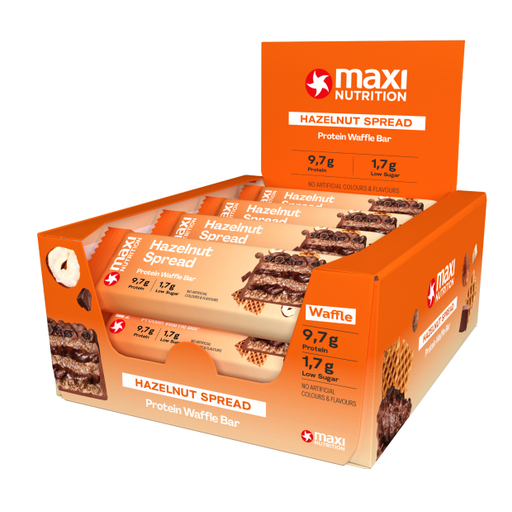 Image unavailable
Maxi Nutrition Muesli Nut Butter protein wafer bars, 12 × 39 g
A single-serve wafer bar snack as an alternative to a classic cereal bar. The product name states 25% protein and twelve bars weighing 39 g each; for a serving comparison and any ingredient requirements, refer to the packaging.
View at Joybuy
 Image unavailable
Premier Protein 50% Chocolate Caramel protein bar
For anyone looking to compare a bar with a high stated protein percentage. The product name states 50% protein, but the information on pack contents and individual bar weight is inconsistent. Check the version being sold and its bar weight on the packaging before calculating protein per bar.
View at Joybuy
 Image unavailable
Power System 32% Protein Bite Power Banana, 35 g
A small, individually portioned snack for your gym bag. The product name states 32% protein and a weight of 35 g; check the ingredients and allergen information for the specific variety you choose.
View at Joybuy
Frequently asked questions
Is ‘High Protein’ enough to help me choose?
No. For a snack in your gym bag, you should also compare the protein content and weight of each individual bar. Ingredients, allergens and other nutritional information may be just as important to your choice.
Do I need a protein bar after every workout?
No, a protein bar isn’t necessary after every workout. The German Nutrition Society considers protein intake in sport as part of your overall diet; the Verbraucherzentrale points out that suitable everyday foods are often enough for recreational exercise. A bar can be a handy snack on the go if it meets your needs.
Why do some protein bars warn about a laxative effect?
The warning may relate to the sugar substitutes they contain. According to the Verbraucherzentrale, these may have a laxative effect in larger quantities. So check the ingredients and consumption advice for your chosen variety, especially if you’re sensitive to them.
Do I need to check allergens in packaged protein bars?
Yes. Check the latest ingredients list and the allergen and precautionary information for every variety. For example, the MAX-BALANCE varieties described by EDEKA contain milk and soya; you can’t assume that other bars or varieties have the same ingredients.


