People who need to avoid specific allergens
If you need to avoid a particular allergen, check the ingredients and allergen information for the specific flavour. A general ‘free-from’ claim is no substitute for checking these details.


When choosing a protein bar for your gym bag, start by checking which ingredients or allergens you need to avoid. The information for the specific bar matters more than claims such as ‘vegan’, ‘gluten-free’ or ‘no added sugar’. Then check the ingredients list, highlighted allergens and any precautionary ‘may contain’ statements, as well as the storage instructions. If the bar contains sweeteners, consider whether you tolerate the recipe.
If you need to avoid a particular allergen, check the ingredients and allergen information for the specific flavour. A general ‘free-from’ claim is no substitute for checking these details.
If a vegan recipe is important to you, also check the ingredients and any precautionary ‘may contain’ statements for anything else you need to avoid. Vegan does not mean allergen-free.
If you want to compare sugar content or avoid added sugar, read the nutritional information alongside the ingredients list. The claim ‘no added sugar’ doesn’t tell you which sweeteners a bar contains.
First, check the specific bar against the ingredients you need to avoid. Vegan claims, nutritional information and storage instructions can then help you choose a suitable option for your gym bag.
| Criteria | What to check before buying | Who should pay particular attention |
|---|---|---|
| Specific allergen exclusions | Check the ingredients list and highlighted allergens against the allergens you need to avoid; assess any precautionary ‘may contain’ statements separately. | If I need to avoid a particular allergen, I don’t want to rely on a general marketing claim to decide whether a product is suitable. For around 36% of consumers, avoiding a specific allergen is the main priority. |
| Plant-based recipe | Read the vegan claim alongside the ingredients and, where relevant, any precautionary ‘may contain’ statements for the specific flavour. | I want my on-the-go snack to be plant-based without overlooking anything else I need to avoid. This is the main priority for around 21% of consumers. |
| Sugar and sweeteners | Compare the sugar content in the nutritional information per serving and per 100 g; check the ingredients list for sweeteners and sugar alcohols. | I want to understand the sugar content and avoid ingredients I might not tolerate well before training. Around 29% of consumers focus primarily on this. |
| Portability and storage | Check that the individual wrapper is intact, look at the best-before date and follow the product’s storage instructions. | I want to keep a bar handy in my gym bag without forgetting about its storage requirements. For around 14% of consumers, this practical consideration takes priority. |
These claims describe different properties. For example, IronMaxx lists possible traces of milk, gluten, soya, peanuts and nuts for one of its vegan protein bars.
Check every ingredient and ‘may contain’ statement that matters to you on the packaging for the specific flavour.
The protein content tells you nothing about allergens or which sweeteners have been used.
Before packing a bar, read the ingredients list, allergen information and nutritional information. Compare per-serving values only when you’ve also checked the stated serving size.
If you have a sensitive stomach, how well you tolerate the ingredients may determine when it’s best to have the snack.
Pay particular attention to any sugar alcohols and the information on the pack. If you haven’t tried a bar before, it’s best to test it outside a training session first.
The best-before date assumes appropriate storage. IronMaxx says one of its bars should be protected from heat, moisture and sunlight; other products have their own storage instructions on the pack.
Check the date, packaging and storage instructions before eating a bar that’s been in your bag for a while.
Barebells offers classic, soft and vegan protein bars. The brand’s information applies to its respective product ranges, not to one recipe shared by every bar.
IronMaxx offers vegan protein bars, including options from its Vegan 30 range.
Layenberger offers High Protein and 3K Protein bars, among others. Nutritional values and ingredients vary by flavour, so check each one individually.
These Joybuy protein bars offer different options to consider based on their recipes, ingredients and pack sizes. None is automatically suitable for every individual allergen exclusion just because of its name.
 No image available
An option if you’re looking for a protein bar labelled vegan to take on the go. Before buying, check the information on peanuts, wheat and soya against the ingredients you need to avoid. Also note the ingredients maltitol and sucralose, and follow the storage instructions.
 No image available
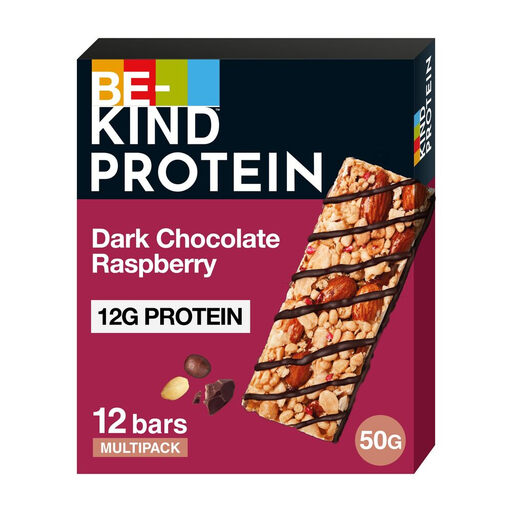
If you’re looking for a bar described as gluten-free, still check the ingredients and any precautionary ‘may contain’ statements on the specific pack. This is especially important if you need to avoid peanuts, soya, almonds, other nuts or milk; ‘gluten-free’ doesn’t replace these checks.
 No image available
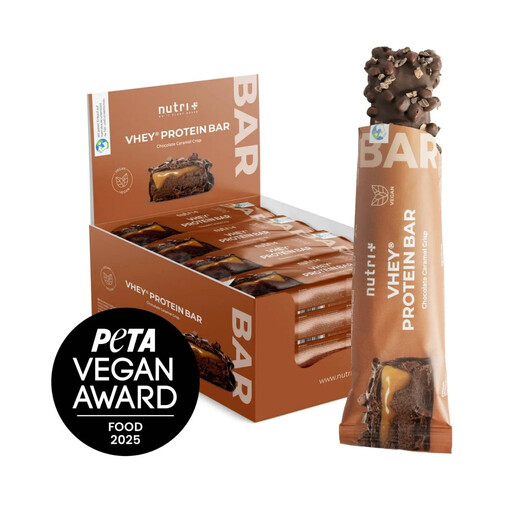
When choosing a protein bar to take with you, it’s particularly important to check the recipe here: ‘Whey’ in the name conflicts with the description of the product as vegan and containing plant-based protein sources. If you need to avoid animal-derived ingredients or allergens, check the current packaging for the full ingredients; also look at the sugar content and any ‘may contain’ statements. Bear maltitol and sucralose in mind when considering how well you tolerate the bar.
 No image available
If you’re considering this bar because of its nutritional information, check the pack size first: the title says 16 × 40 g, but the serving description gives a different amount. That means you can’t reliably match a protein or sugar value to one bar. Also check the packaging for information on milk, soya and other allergens, and take note of the sweeteners listed.
 No image available
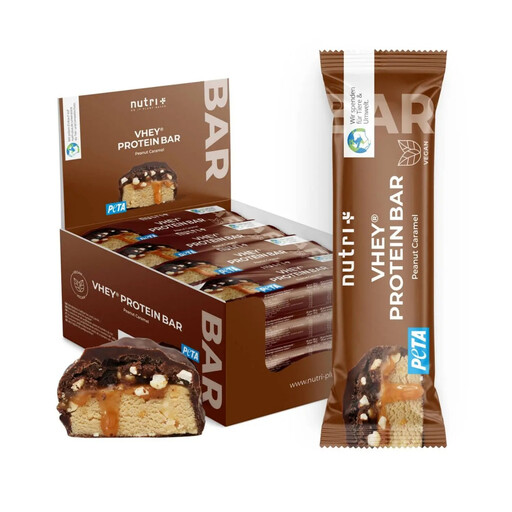
This bar is only suitable if its ingredients meet your requirements; peanuts are specifically listed. At the same time, ‘Whey’ in the name conflicts with the vegan product description. Check the current packaging for the recipe, allergens, ‘may contain’ statements and sugar content rather than relying on the title to tell you whether it’s suitable. Also bear maltitol and sucralose in mind.
No. The vegan label doesn’t replace checking for other allergens or possible traces. For one example of a vegan bar, IronMaxx lists possible traces of milk, gluten, soya, peanuts and nuts, so always read the labelling for the specific flavour.
Check the ingredients list: as the European Commission explains, if any of the 14 allergens that must be labelled in the EU are used as ingredients, they must be highlighted there. If you need to avoid a particular allergen, also look for a possible ‘may contain’ statement. If you have a diagnosed allergy, follow the medical advice tailored to you.
No. The claim alone doesn’t tell you whether sweeteners or sugar alcohols have been used. Check the ingredients list, and use the nutritional information to understand the declared sugar content per serving and per 100 g.
Only if you follow the storage instructions for the specific product and the packaging stays intact. The best-before date assumes appropriate storage. For example, an IronMaxx bar should be protected from heat, moisture and sunlight.