What should you look for when buying?
Start by comparing the information for a whole bar, then check the ingredients and other nutritional values. This makes it easier to keep serving sizes in mind when comparing different packs.
| What to check |
What to look for |
Who it matters to |
| Protein per bar |
Compare the grams of protein in the whole bar with its serving size; a percentage alone isn’t enough for this comparison. |
If I’m planning a snack for the journey home after training, I want to know how much protein the serving actually contains. Around 31% of consumers put this first. |
| Ingredients and suitability |
Check the ingredients, highlighted allergens and precautionary allergen statements for the specific variety; if you follow a vegan diet, look for a clearly labelled vegan option. |
If I avoid animal products or need to watch out for an allergen, the ingredients of each variety determine which one I choose. This is the top consideration for around 25% of consumers. |
| Sugar and other nutritional values |
Compare sugar, fat and calories per serving and per 100 g; check the ingredients for sweeteners too, if relevant. |
I want a sweet snack to fit in with my other meals, so I look beyond the protein claim on the front. Around 25% of consumers prioritise this nutritional comparison. |
| Size and availability |
Check the serving size and packaging format for your gym bag; if you shop regularly, consider whether your preferred variety is available locally. |
If I’m taking a bar with me on the way to training, I need a suitable format that I can also buy regularly. Around 19% of consumers make this a priority. |
Protein bars at Joybuy
These bars could make handy portioned snacks for your gym bag. The selection includes an option labelled as vegan, along with other varieties and pack sizes. Check the current packaging carefully, especially if protein per bar, sugar or allergens are important to you.
 No image available
Barebells Vegan Protein Bar Peanut Caramel, 12 × 55 g
An option labelled as vegan for a portioned snack on the go. The pack contains 12 bars, each weighing 55 g. If you have a peanut allergy, or before eating if you need to check other allergen-relevant ingredients and sweeteners, read the current product information.
View at Joybuy
 No image available
BE-KIND Protein Caramel Nut, 12 × 50 g
A handy option if you’re looking for individually portioned bars to enjoy on the go. The pack contains 12 bars, each weighing 50 g. If you have allergies, check the current packaging carefully for information about peanuts, milk and soya.
View at Joybuy
 No image available
Corny Crunchy Cookie Flavour Protein Bar, 30 % Protein, 12 × 45 g
A pack of 12 individually portioned bars, each weighing 45 g, for your gym bag. If the amount of protein per snack matters to you, check the grams per whole bar on the current packaging. You can also check for allergens and sweeteners there, if needed.
View at Joybuy
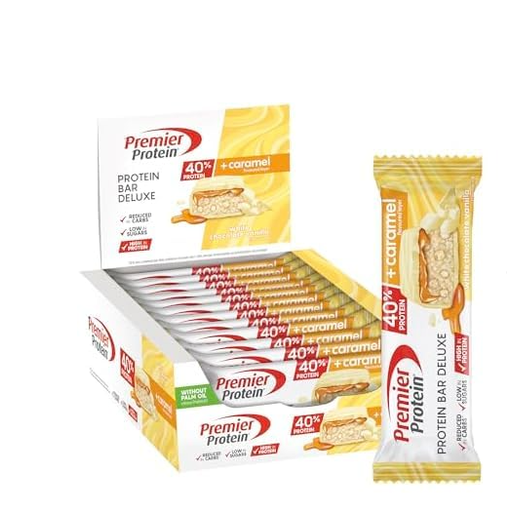 No image available
Premier Protein Protein Bar Deluxe 40 %, White Chocolate Vanilla, 12 × 50 g
A handy choice if you’re planning to take several individually portioned bars with you. The pack contains 12 bars, each weighing 50 g. As well as the percentage, check the protein per bar on the current packaging when comparing products. You may also want to check the labelling for milk, soya, wheat and sweeteners.
View at Joybuy
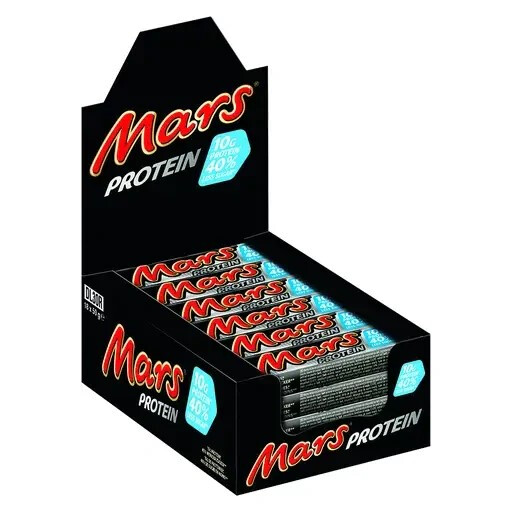 No image available
Mars Protein Bars, 18 × 50 g
A pack of 18 individually portioned bars, each weighing 50 g. If you’re comparing sugar content, check the nutritional information on the specific pack rather than relying on a comparison claim on the front alone. If you have allergies, pay particular attention to milk, soya and egg.
View at Joybuy
Frequently asked questions
Do I need a protein bar after every workout?
No, a protein bar isn’t essential after training. The German Nutrition Society says healthy adults who exercise for no more than five hours a week don’t have an increased protein requirement. For people who train more, any potential increase depends on factors including their goals, condition and training volume.
How do I compare protein bars of different sizes?
Start by comparing the grams of protein per whole bar, and take the bar’s weight into account. For sugar, fat and calories, check the nutritional information per serving and per 100 g. Lebensmittelklarheit notes that protein claims were presented inconsistently on the bars it examined.
Is a bar with no added sugar automatically a better choice?
No, that claim alone doesn’t determine whether it’s the right choice for you. Compare calories, fat and ingredients too; according to the consumer advice centre, large amounts of sugar substitutes can have a laxative effect.
What should I look out for if I have a milk, soya or nut allergy?
For each variety, check the ingredients list, highlighted allergens and any precautionary allergen statements on the current packaging. For example, EDEKA lists milk and soya in one MAX BALANCE bar; you can’t assume that the information for this variety applies to other bars.


