For a calorie-conscious hiking snack, compare the kcal in a whole protein bar rather than looking only at its protein content or the claim ‘no added sugar’. A small bar may be a suitable snack portion for a relaxed walk; for longer or more strenuous hikes, make sure your drinks and other provisions are suited to the effort involved.
Which snack is right for you?
Leisurely walkers watching their calories
For a short or relaxed walk, you might want a sweet snack that’s easy to portion. Compare the kcal in a whole bar: ‘no added sugar’ tells you nothing about the energy in the portion on its own, as Barebells explicitly states for its products.
Day hikers who need snacks for longer walks
When your walk is longer or more strenuous, a small portion alone may not be enough. The German Alpine Club names dehydration and a severe lack of carbohydrates as possible causes of a drop in performance on mountain hikes. So plan your drinks and other provisions separately from your protein bar.
Hikers who check ingredients or allergens
If you need to avoid certain ingredients or allergens, check the labelling for the specific variety. Protein bars may contain milk, soya or peanuts, for example; other allergens may be listed in ‘may contain’ warnings. It’s also worth checking the ingredients list for the sweeteners used.
What should you look for when buying?
Start with the walk you’re planning and the portion you actually want to eat. Then check the protein, ingredients and allergens, rather than judging the whole product by a single claim on the front of the pack.
| What to check |
What to look for |
Who it matters to |
| Calories per bar |
Compare the kcal and weight of a whole bar; the nutrition information per 100 g helps you compare portions of different sizes. |
For a relaxed walk, I want to pack a sweet snack whose whole portion fits my calorie target. Around 40% of consumers would put the energy in a portion first. |
| Provisions for your walk |
Plan your drinks separately and, for longer or more strenuous walks, consider what other snacks to take with you. |
On a longer walk, I don’t want to rely on a small protein bar alone. Around 30% of consumers would prioritise provisions for the walk. |
| Protein per portion |
Compare the grams of protein and kcal per bar, rather than comparing figures for different-sized portions without taking their size into account. |
If protein is important when choosing my snack, I want to know how much is in the bar I’m eating. Around 20% of consumers would prioritise the amount of protein. |
| Ingredients and suitability |
Read the ingredients list, allergen labelling and ‘may contain’ warnings for the variety you choose; check the sweeteners too. |
If I have an allergy or don’t tolerate certain sweeteners well, the specific variety needs to be suitable for me. Around 10% of consumers would prioritise ingredients and suitability. |
Common mistakes when choosing
-
Assuming ‘no added sugar’ means low in calories
This claim relates to added sugar, not the total energy content. Barebells explicitly states that its products are not low-calorie or reduced-calorie foods.
Check the kcal per bar as well as the nutrition information per 100 g. This also helps you see what’s in a whole portion when comparing bars of different sizes.
-
Planning to rely on one small protein bar for the whole walk
According to the German Alpine Club, too little fluid and a severe lack of carbohydrates can contribute to a drop in performance on longer or more strenuous mountain hikes. A bar’s protein content is no substitute for planning your provisions.
Match your drinks and other provisions to the length and effort of your walk, rather than relying on the bar as your only source of nourishment.
-
Judging a variety by its name instead of its ingredients
Protein bars with similar names can have different ingredients and allergen warnings. A suitable nutrition profile doesn’t make an ingredient you need to avoid any less important.
Carefully check the ingredients list and allergen labelling for the specific flavour you want to buy.
-
Packing several new bars for your walk
The consumer advice centre warns that sugar substitutes can have a laxative effect in large quantities. Some bars also carry a similar warning about excessive consumption.
If you haven’t tried a variety or its sweeteners before, try it at home first and follow the guidance on the pack.
Brands and product ranges to help you choose
IronMaxx
Protein 30 Cookies & Cream is an example of a smaller, sweet protein bar.
- According to IronMaxx Nutrition, one 35 g bar contains 133 kcal, 11 g of protein and 0.8 g of sugar.
- This variety contains whey, soya and milk protein, as well as bovine collagen. IronMaxx lists ‘may contain’ warnings and notes that excessive consumption may have a laxative effect.
Multipower
Protein Delight Bar is another 35 g portion you can compare by looking at the whole bar.
- Nutrition information published by nu3 gives around 142 kcal and 11.9 g of protein per 35 g portion.
- The variety described lists milk and peanuts, as well as sweeteners; it also carries ‘may contain’ warnings and a warning about excessive consumption.
Barebells
Espresso Swirl is a larger Soft Bar portion for when portion size and protein content matter more to you than keeping kcal per bar as low as possible.
- Barebells lists 192 kcal and 16 g of protein per 55 g Espresso Swirl bar.
- Barebells explicitly states that its products are not low-calorie or reduced-calorie. Ingredients and possible traces vary by variety.
Layenberger
High Protein Bar Pistachio is a 40 g bar you can compare by portion size, ingredients and nutrition information.
- Layenberger lists 41% protein for this variety.
- The listed ingredients include bovine collagen, as well as milk and soya protein. Check the ‘may contain’ warnings for this variety.
Protein bars and snacks at Joybuy
This selection includes sweet protein bars in a range of portion sizes, a savoury beef protein bar and a Nutrition Bar. Compare each pack with your preference for a small snack portion and the demands of your walk.
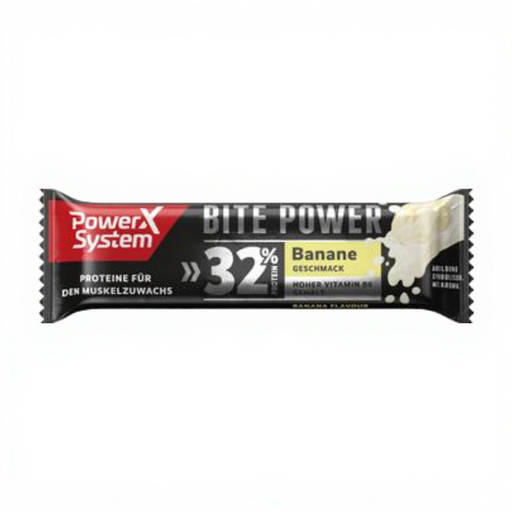 Image unavailable
Power System 32% Protein Bite Power, Banana, 35 g
A 35 g portion for when you’re looking for a small, sweet snack to enjoy on a walking break.
The product name states 32% protein. Before buying, compare the kcal per bar and check the ingredients and allergens on the pack.
View at Joybuy
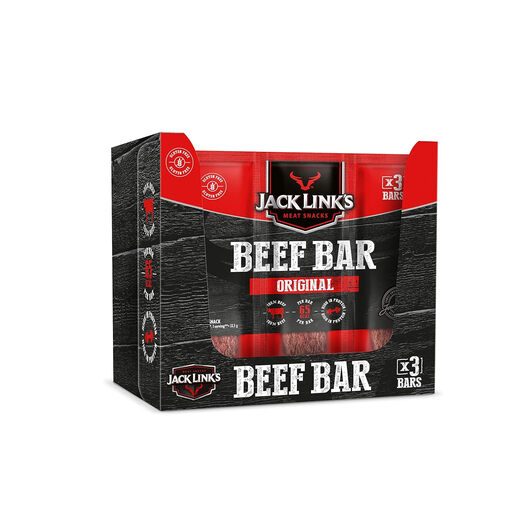 Image unavailable
Jack Link's Original Beef Jerky Protein Bars, 30 × 22,5 g
A savoury alternative for when you’d rather take a small snack than a sweet protein bar.
The pack contains 30 bars of 22.5 g each. When choosing, pay particular attention to the nutrition information and salt content on the specific pack.
View at Joybuy
 Image unavailable
Corny Crunchy Cookie Flavour Protein Bar, 30% Protein, No Added Sugar, 12 × 45 g
A sweet 45 g bar for when this portion size suits the snack you have planned.
The product name states 30% protein and 12 bars per pack. Judge the kcal per bar separately from the ‘No Added Sugar’ claim, and read the ingredients for the variety you’ve chosen.
View at Joybuy
 Image unavailable
Power System Low Carb Cookies & Cream Protein Bar, 40 g
A sweet 40 g protein bar for a snack break with a set portion size.
The ‘Low Carb’ claim is no substitute for checking the kcal per bar. Also check the ingredients and allergen warnings for the Cookies & Cream variety.
View at Joybuy
 Image unavailable
Frankonia Sugar Free Nutrition Bar Chocolate Brownie, 50 g
A 50 g Nutrition Bar for when you want to compare this larger portion with smaller protein bars.
The ‘Sugar Free’ claim doesn’t tell you how many kcal are in the whole portion. Read the nutrition information and ingredients list for the specific variety.
View at Joybuy
Frequently asked questions
Does ‘no added sugar’ mean a protein bar is low in calories?
No. Barebells explicitly states that its products are not low-calorie or reduced-calorie, despite this claim. To choose a snack, compare the kcal in a whole bar and check the nutrition information per 100 g too.
When isn’t a protein bar enough to sustain you on a walk?
For longer or more strenuous walks, don’t plan to rely on a protein bar as your only provision. The German Alpine Club names dehydration and a severe lack of carbohydrates as possible causes of a drop in performance on mountain hikes; take both into account when planning your walk.
Which pack details help me compare two bars?
First compare the bar’s weight and the kcal in a whole portion; the nutrition information per 100 g also makes it easier to compare bars of different sizes. Then check the sugar and protein information, as well as the ingredients list and allergen labelling for the specific variety.
What should I check about sweeteners before a walk?
Check the ingredients and make sure you tolerate the variety you’ve chosen. The consumer advice centre warns that sugar substitutes can have a laxative effect in large quantities, so don’t try a new bar for the first time during a long walk.


