A protein bar makes a convenient, portioned snack for a break on your hike or after your walk if you want to compare the protein content of a particular variety. On longer or more strenuous hikes, it shouldn’t replace drinks and other food suited to your route. Carbohydrates, portion size, ingredients and how well it suits you all matter too. Compare the nutritional information per bar and per 100 g.
Which priorities matter to you?
Hikers tackling longer or more strenuous routes
As the length and intensity of your hike increase, plan drinks and food for the whole route rather than choosing a bar based on its protein content alone. The German Alpine Club notes that dehydration and a significant lack of carbohydrates can contribute to a drop in performance on mountain hikes.
Hikers interested in protein content
You’re looking for a portioned snack for a break or after your hike. To compare bars of different sizes, check the protein content per bar and per 100 g. Lebensmittelklarheit has highlighted inconsistencies in the information provided for the protein bars it examined.
Shoppers with specific ingredient requirements
If you want to avoid certain ingredients or shop for vegan products, check the current ingredients list and allergen information for the specific variety. Sweeteners can also matter when you’re out and about: according to the Verbraucherzentrale, sugar substitutes can have a laxative effect in larger quantities.
What should you look for when buying?
For a longer or more strenuous hike, plan your drinks and food for the route first. If you’d like to take a protein bar as well, compare the serving size, nutritional values and ingredients of the particular variety.
| What matters |
What to check |
Who it matters most to |
| Food for the route |
Check the carbohydrates and energy per serving; take drinks and other food suited to your planned route. |
On a longer or more strenuous hike, I don’t want to rely on a protein bar alone. For around 33 % of consumers, staying fuelled during the route is the main priority. |
| Protein per bar |
Compare the protein per serving and per 100 g alongside the bar’s weight. |
For a break or after my hike, I’m looking for a clear amount of protein in a single serving. Around 25 % of consumers prioritise this. |
| Ingredients and suitability |
Read the current ingredients list, allergen and cross-contamination information, and details of any sweeteners. |
If I want to avoid certain ingredients, the variety I choose needs to meet my requirements. Ingredients and suitability are the priority for around 25 % of consumers. |
| Comparable information |
Check the basis used for the nutritional values and the pack contents, rather than comparing only the front of the pack. |
When bars come in different sizes, I want to know what a serving actually contains. For around 17 % of consumers, being able to compare the information is the most important consideration. |
Which pitfalls can you avoid?
-
Assuming a prominent protein claim tells you how much protein is in each bar
A percentage on the front of the pack doesn’t automatically tell you how many grams of protein are in an individual serving. Bars also vary in weight.
Compare the bar’s weight and protein per serving. Use the per-100 g figure to compare products of different sizes.
-
Relying on a protein bar as your only food for the route
According to the German Alpine Club, dehydration and a significant lack of carbohydrates can contribute to a drop in performance on mountain hikes. A bar’s protein content doesn’t address these needs.
Choose drinks and other food to suit the length and demands of your hike.
-
Confusing a marketing claim with how well a product suits you
A bar’s name doesn’t tell you how you’ll react to its sweeteners. The Verbraucherzentrale notes that sugar substitutes can have a laxative effect in larger quantities.
Read the ingredients and pack information before setting off, especially if you haven’t tried the bar before or plan to take several with you.
-
Overlooking the ingredients in a particular variety
A protein bar isn’t necessarily vegan or free from allergens that matter to you just because of its name. For example, dm lists milk and soya in a Layenberger bar.
Make your choice based on the current ingredients list and the allergen and cross-contamination information for the variety you’re buying.
Brands to help you choose
A brand name isn’t a substitute for comparing individual varieties: bar weights, ingredients and nutritional values can vary within the same range.
Sportness
dm offers Sportness protein bars in a range of varieties.
- The different bars give you options to compare serving sizes and protein content.
- Don’t assume the information for one variety applies to the whole range; check the nutritional values and ingredients of the bar you choose.
Barebells
Barebells offers, among other options, Original and vegan protein bars. The brand states that its Original range contains 20 g of protein per bar.
- The serving information for the Original range can help you compare it with other bars.
- This information doesn’t necessarily apply to vegan or other varieties; check the ingredients and allergens for each one.
PowerBar
PowerBar offers several ranges of protein bars.
- You can compare the varieties using their individual serving and nutritional information.
- The brand name doesn’t mean every bar has the same recipe or is suitable as your only snack on a hike.
Layenberger
The Schoko-Banane variety sold by dm is listed as weighing 35 g per bar and containing 46 g of protein per 100 g.
- The bar weight and protein per 100 g help you understand what the serving contains.
- dm lists milk and soya in this variety; check the full ingredients and allergen information before buying.
KoRo
dm sells, among other products, a KoRo protein bar labelled vegan, with a pack size of 55 g.
- The vegan label on this particular variety may be relevant when choosing a suitable product.
- You should still check the protein content, ingredients and any allergens that matter to you on the specific bar.
Protein bars and snacks at Joybuy
This selection includes individually portioned protein bars for hiking breaks or after your walk, including a vegan-labelled option and a savoury beef bar. For longer hikes, remember to plan drinks and other food separately.
 No image available
Barebells Protein Bar Cookies & Cream, 12 × 55 g
An individually portioned protein bar for a break on your hike or after your walk. The pack contains 12 bars of 55 g each; compare the protein content using the information for this specific variety.
If milk or soya are relevant to you, read the current ingredients list and allergen information before buying. Remember to take drinks and other food for longer routes.
View at Joybuy
 No image available
Barebells Vegan Protein Bar Peanut Caramel, 12 × 55 g
An individually portioned variety labelled vegan, for a break on your hike. The pack contains 12 bars of 55 g each.
Compare the protein claim on the front of the pack with the nutritional information per bar. If peanuts, wheat or soya matter to you, check the current ingredients and allergen information; the vegan label doesn’t replace this check.
View at Joybuy
 No image available
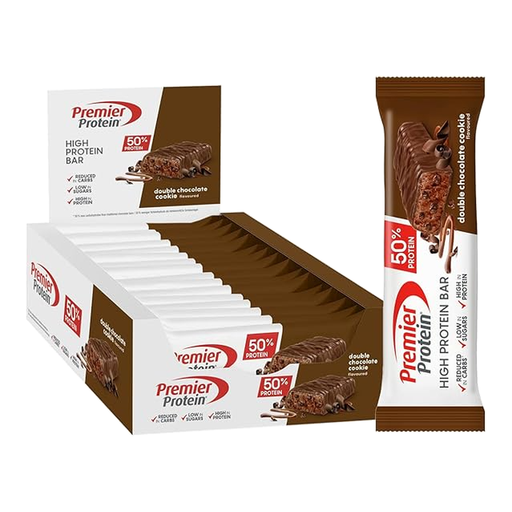
Premier Protein High Protein Bar 50 %, Double Chocolate Cookie, 16 × 40 g
A protein bar for a break when you want to compare the nutritional values of individual servings. The product name specifies 16 bars of 40 g each and a protein claim of 50 %; check the pack’s nutritional information for the amount of protein in grams per bar.
Check the ingredients and information about allergens and sweeteners before packing the bar for your hike.
View at Joybuy
 No image available
Corny Protein Crunchy Vanilla & White Choc, 12 × 45 g
An individually portioned protein bar for a break on the go. The product name specifies 12 bars of 45 g each and a protein claim of 30 %; check the pack’s nutritional information to compare the amount per bar.
Read the ingredients and information about sweeteners and allergens too. A longer hike calls for separate planning of drinks and other food.
View at Joybuy
 No image available
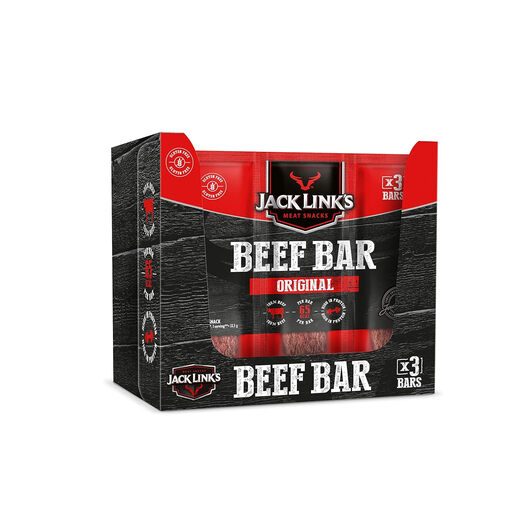
Jack Link's Original Beef Jerky Protein Bars, 30 × 22,5 g
A savoury beef bar as a portioned snack for on the go, rather than a cereal bar. The product name specifies 30 bars of 22,5 g each; check the pack’s nutritional information to compare servings.
This beef variety isn’t suitable for a vegan diet. If you have other ingredient requirements, read the current ingredients list and allergen information.
View at Joybuy
Frequently asked questions
Is a protein bar enough food for a long hike?
No. You shouldn’t rely on a protein bar as your only food on a longer or more strenuous hike. The German Alpine Club highlights the importance of drinking enough and getting suitable carbohydrates on mountain hikes; plan both to suit your route.
Does “High Protein” tell me how much protein is in a bar?
No, the wording alone doesn’t give you a reliable, comparable amount in grams per bar. Check the protein per serving, the bar’s weight and the figure per 100 g to compare bars of different sizes more easily.
What should I check about ingredients and sweeteners?
Read the current ingredients list and the allergen and cross-contamination information for the variety you choose. If it contains sugar alcohols, check the information on the pack too: according to the Verbraucherzentrale, sugar substitutes can have a laxative effect in larger quantities.


