Check portion size for snacks on the go
If you’re packing a bar for a journey or day out, compare the energy in the whole bar with its weight. The figure per 100 g alone doesn’t tell you how much is in that portion.


When choosing a protein bar as a holiday snack, the first thing to check is the energy per whole bar, not just the figure per 100 g. On the dm and Barebells product pages reviewed, portion sizes range from 125 kcal to around 185 kcal by calculation; the bars also vary in size and protein content. If the snack is for children or anyone with allergies, the product type, ingredients and packaging guidance matter more than a protein claim on the front of the pack.
If you’re packing a bar for a journey or day out, compare the energy in the whole bar with its weight. The figure per 100 g alone doesn’t tell you how much is in that portion.
If you’re keeping an eye on protein after exercise or a day out, check the grams per bar alongside its energy and ingredients.
If children will be eating the bars or you need to take allergies into account, the specific product type, ingredients, allergen information and consumption guidance all play a part in your choice.
Start by comparing the full portion. Then check the protein content and ingredients – especially if the bar won’t just be eaten by adults.
| Criteria | What to check | Who it matters to |
|---|---|---|
| Calories per bar | Compare the bar’s weight and energy per whole bar, rather than just the figures per 100 g. | For a snack on the go, I want to know how much energy is in the portion I’ll actually eat. Around 33% of consumers prioritise this. |
| Protein per portion | Check the protein in grams per bar and the bar’s weight; don’t confuse a percentage with grams per portion. | After an active day on holiday, I’m more interested in the protein in an individual bar than in the lowest energy figure. This is the main priority for around 27% of consumers. |
| Ingredients and allergens | Read the current ingredients list, allergen and may-contain information, and guidance about sweeteners. | If I need to avoid certain ingredients, a ‘less sugar’ claim on the front of the pack isn’t enough. Around 20% of consumers put this check first. |
| Snacks for children | Check the specific product type, consumption guidance, portion size and ingredients. | When packing snacks for children, I don’t want to choose a bar just because of its protein content. This is the main concern for around 20% of consumers. |
A percentage and the grams of protein in a whole bar don’t describe the same thing. With a 40-g bar, the amount in one portion is correspondingly lower than the figure per 100 g.
Compare the grams of protein per bar. If only a figure per 100 g is given, use the bar’s weight to work out the amount per portion.
Barebells describes its Chocolate Spread bar as having no added sugar, yet it contains 161 kcal per 45-g bar according to the brand. The ingredients list also includes maltitol and sucralose.
As well as checking the claim on the front of the pack, read the nutrition information and ingredients for the flavour you’ve chosen.
The recipes described differ in ingredients such as milk, soya, peanuts and wheat, as well as in possible traces.
If you have an allergy, carefully check the current labelling on the exact pack that will be eaten or shared.
The product type can make all the difference: dm lists the all stars Skyr Protein Bar as a food supplement, with a stated maximum daily amount and advice to keep it out of the reach of children.
Before packing a bar for children, check the product type and consumption guidance rather than choosing one based only on its calories or protein content.
The brand offers protein bars with a range of recipes and textures; portion values vary by flavour.
The Natural Protein and Protein+ Crisp bars described by dm differ in their recipes and labelling.
The Designer Bar Fudge Brownie described by dm is a 45-g protein bar.
The Skyr Protein Bar Mixed Berries listed by dm has a portion size of 35 g.
These protein bars are listed as individually portioned snacks for days out. Pack sizes are shown in the product names. To compare calories per bar or check for specific ingredient or allergen requirements, read the labelling on the relevant pack.
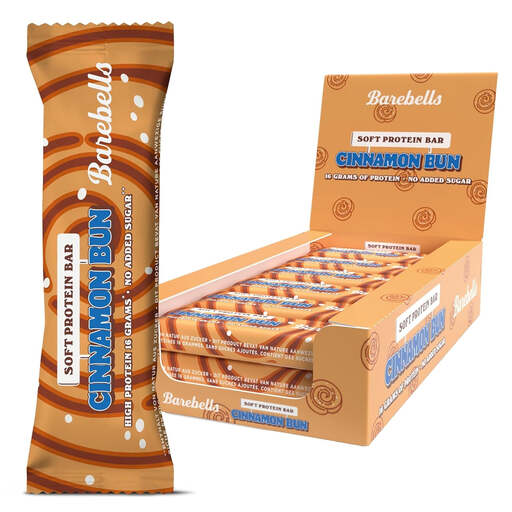 Image unavailable
For individually portioned snacks on days out. Before sharing or if you have an intolerance, check the current ingredients list and information about milk, soya and sweeteners.
 Image unavailable
For anyone planning to take individual bars on the go. If you have a milk allergy or questions about sweeteners, check the current pack labelling.
 Image unavailable
A variety labelled vegan, in individually portioned bars. If you have a peanut or wheat allergy, or specific dietary requirements, check the ingredients and labelling on the exact pack.
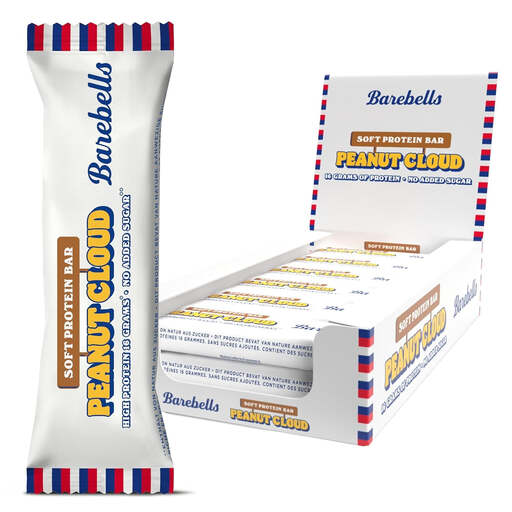 Image unavailable
For an individually portioned snack on active days. Check the current pack before buying, as it contains information about milk, soya, peanuts and sweeteners.
 Image unavailable
A 45-g bar for an individually portioned snack on the go. The energy figures per bar and per 100 g contradict each other, so check the value on the pack before choosing it based on calories. A gluten-free claim also conflicts with information about gluten and wheat – if you have a relevant intolerance, the current pack labelling is what matters.
Compare the energy per whole bar, while taking the bar’s weight into account. dm lists 125 kcal for the 35-g all stars bar; based on the figures given by dm, the 45-g ESN bar contains around 185 kcal by calculation. These are portion values for different products, not a general limit for protein bars.
No. Barebells describes its Chocolate Spread bar as having no added sugar, while also listing 161 kcal per bar and maltitol and sucralose in the ingredients. For the flavour you’ve chosen, check the sugar and energy figures per portion.
Check the ingredients list and any warnings about consumption. The Verbraucherzentrale notes that consuming large amounts of sugar alcohols can have a laxative effect; sweeteners and sugar alcohols are not the same thing.
No. The product type and guidance on the specific pack need to be suitable for how you plan to use it. For example, dm lists the all stars Skyr Protein Bar as a food supplement, with a maximum daily amount and advice to keep it out of the reach of children; the German Nutrition Society emphasises the importance of a balanced diet for children.
Read the ingredients and allergen information on the exact flavour you buy, including any may-contain information. The Federal Ministry of Agriculture, Food and Regional Identity explains the labelling of ingredients that can cause allergies; the protein bars described here include information about milk, soya, peanuts and cereals containing gluten, among other things.