For a holiday outing or after exercise, a protein bar can be a handy occasional snack when you’re short on time, but it isn’t a complete lunch. The Federal Centre for Nutrition makes this distinction clear. When choosing a snack, compare the protein per bar with the portion size, ingredients and consumption advice. Children and teenagers who eat a varied diet generally don’t need to focus on extra protein.
Who is this question relevant to?
Active day-trippers looking for a snack
If you want to take a pre-portioned snack with you after a workout or on an outing, the protein per bar makes it easier to compare your options. The Federal Centre for Nutrition classifies protein bars as an occasional snack.
Parents and teenagers wondering what to have for lunch
If there’s little time for lunch during the school holidays, the key question is whether a bar is simply keeping you going until your next meal. The Federal Centre for Nutrition does not consider it a complete meal.
Shoppers with specific ingredient requirements
If you need to avoid certain ingredients or don’t tolerate sugar alcohols well, check the declaration for the specific variety. The information provided by ALDI SÜD, Barebells and REWE for the bars covered here shows that their ingredients and precautionary allergen statements differ.
What should you look for when buying?
First, decide whether you’re looking for a snack on the go or planning a lunch. Then compare the information per bar and the ingredients in the specific variety.
| What you need |
What to check before buying |
Who it matters most to |
| A snack for an outing or exercise |
Portion size, storage advice and whether it suits the snack occasion you have in mind. |
I want to have a single portion ready to take with me, without planning to use it as lunch. This is the main priority for around 25% of shoppers. |
| Understanding the protein content |
Compare the protein in g per bar, and don’t confuse it with the amount per 100 g. |
I want to know what’s actually in an individual portion, rather than relying on the words ‘High Protein’ alone. Around 25% of shoppers put this comparison first. |
| Lunch for children or teenagers |
Check whether the bar is just a snack and what other foods are planned for lunch. |
Even when there’s little time for lunch, I don’t want to pack just a bar as a meal. This is the main concern for around 31% of shoppers. |
| Ingredients and tolerance |
Read the ingredients, allergens, precautionary allergen statements and information about polyols on the specific pack. |
I need to find a variety whose declared ingredients and information suit my requirements. This check comes first for around 19% of shoppers. |
Common misconceptions
-
‘High Protein’ doesn’t mean ‘a complete lunch’
Under the EU regulation on nutrition claims, ‘High Protein’ means that at least 20% of a food’s energy content comes from protein. The claim doesn’t tell you whether a bar can replace a meal. The Federal Centre for Nutrition considers protein bars more suitable as an occasional snack when you’re short on time.
Plan a lunch made up of ordinary, varied foods for the school holidays, and treat a bar as a snack if needed.
-
‘No added sugar’ doesn’t tell you how well you’ll tolerate it
For the varieties covered here, product information from ALDI SÜD, Barebells and REWE lists polyols or sweeteners. Several of these labels warn that excessive consumption may have a laxative effect.
As well as checking the sugar content, read the ingredients list and consumption advice for the variety you’re planning to buy.
-
The front of the pack isn’t a substitute for checking allergens
The varieties covered here contain different ingredients that may be relevant to people with allergies, or carry precautionary allergen statements. ALDI SÜD also notes that the nutritional values of its Nougat bar may vary depending on the supplier.
If you have allergies or follow specific dietary rules, check the pack of the variety you’re actually buying, even if you’re familiar with a similar one.
Brands to consider
ALDI SPORTS
ALDI SÜD’s own-label range includes the High Protein Riegel Nougat, available in a multipack. Refer to the individual pack for the nutritional values and ingredients.
- ALDI SÜD lists 36 g of protein and 14 g of fibre per 100 g for its Nougat bar. For a 45 g bar, that works out at 16.2 g of protein per bar.
- The product information lists 19 g of polyols per 100 g, warns of a possible laxative effect if consumed in excess and may include precautionary allergen statements. According to ALDI SÜD, nutritional values may vary by supplier.
Barebells
Barebells offers a range of protein bar varieties. The information here applies to the 55 g Salty Peanut bar, not every variety from the brand.
- Barebells lists 20 g of protein per Salty Peanut bar.
- The ingredients include milk protein, peanuts, maltitol and sucralose, with possible traces of other allergens. The label warns of a possible laxative effect if consumed in excess.
Premier Protein
The Chocolate Caramel protein bar listed by REWE is a 40 g portion. Information about this variety may not apply to other versions.
- REWE lists 20 g of protein and 0.7 g of sugar per 40 g Chocolate Caramel bar.
- The listed ingredients include milk, soya, collagen hydrolysate, maltitol and sucralose. The label also includes precautionary allergen statements and a warning of a possible laxative effect if consumed in excess.
Protein bars at Joybuy
These bars could work as pre-portioned snacks for outings or after exercise, but not as a replacement for lunch during the school holidays. Compare the varieties using the information on their packs, especially if ingredients or allergens are important to you.
 Image unavailable
Barebells Protein Bar Cookies & Cream, 12 × 55 g
A multipack of individually portioned snacks for several outings. The product information lists milk and soya, as well as maltitol and other sweeteners. If you have allergies, check the pack before eating.
View at Joybuy
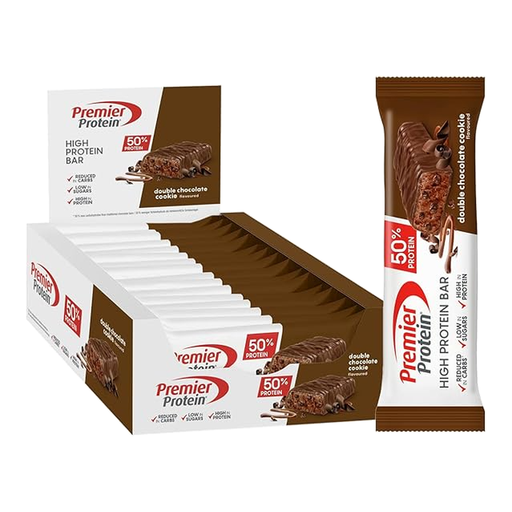 Image unavailable
Premier Protein High Protein Bar 50 % Double Chocolate Cookie, 16 × 40 g
The 40 g portion is designed as a snack on the go or after exercise. The product information lists milk, soya and collagen, as well as maltitol and sucralose. Check the allergen and consumption advice on the specific pack.
View at Joybuy
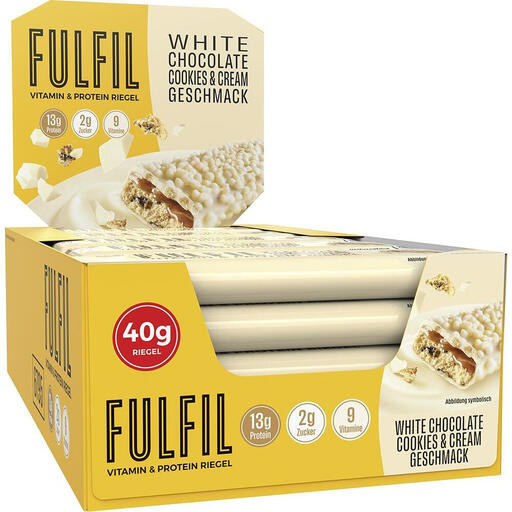 Image unavailable
FULFIL Vitamin & Protein Bar White Chocolate Cookies & Cream, 15 × 40 g
The 40 g bars are designed as individually portioned snacks to take with you. The product information lists milk and lactose, possible traces of allergens and polyols. Read the pack information before choosing a variety.
View at Joybuy
 Image unavailable
Barebells Vegan Protein Bar Peanut Caramel, 12 × 55 g
This multipack, labelled vegan, is an option for pre-portioned snacks over several days. The product information lists peanuts, wheat protein, soya protein and maltitol. The protein amount differs between the product description and the nutrition table, so check the information on the pack you buy.
View at Joybuy
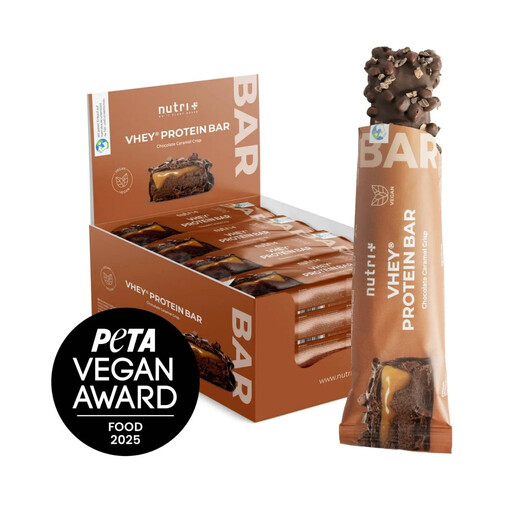 Image unavailable
Nutri+ Whey Protein Bar Chocolate Caramel Crisp, 12 × 50 g
This multipack could be a good choice for planned snacks on outings. The product name refers to whey, while the other product information describes plant-based protein sources. If the protein source or a vegan diet is important to you, check the ingredients and labelling on the specific pack.
View at Joybuy
Frequently asked questions
Can a protein bar replace lunch during the school holidays?
A protein bar shouldn’t be planned as a complete replacement for lunch during the school holidays. The Federal Centre for Nutrition describes it as more of an occasional snack when you’re short on time. Plan to include other ordinary, varied foods as part of your lunch.
Do active children and teenagers automatically need a High Protein bar after exercise?
No, a High Protein bar isn’t automatically necessary after exercise. According to the Federal Centre for Nutrition, a varied diet can be enough for teenagers to meet the recommendation from the German Nutrition Society mentioned there, even if they exercise for five hours a week. Any individual medical dietary requirements should be considered separately.
What does ‘High Protein’ mean on a bar in Germany?
Under the relevant EU regulation, the nutrition claim ‘High Protein’ means that at least 20% of a food’s energy content comes from protein. The wording alone doesn’t tell you how much protein is in an individual bar or whether it’s suitable for lunch.
Why do some protein bars carry a warning about a laxative effect?
For the bars covered here that contain polyols, product information warns of a possible laxative effect if they’re consumed in excess. Check the ingredients and consumption advice for the specific variety, rather than assuming that a claim such as ‘no added sugar’ tells you how well you’ll tolerate it.


