Active people on holiday outings
If you’re taking a bar along to a workout or on an outing, compare the protein content per bar, the portion weight and the ingredients in the flavour you choose.


For active days during the holidays, a protein bar can make a suitable snack if its stated protein content per bar, portion size and ingredients meet your needs. For family outings, allergens, portion size and the rest of your provisions matter more than a protein claim on the front of the pack. “No added sugar” does not mean sugar-free; according to the Consumer Advice Centre, sugar alcohols can have a laxative effect if consumed in large quantities.
If you’re taking a bar along to a workout or on an outing, compare the protein content per bar, the portion weight and the ingredients in the flavour you choose.
For holiday journeys and day trips, it matters who will be eating the bar. When choosing snacks for children, pay particular attention to portion size, allergens and advice about sugar alcohols. A bar is not a meal replacement.
You can only tell whether a product is vegan or lactose-free by checking the specific variety. Other bars from the same brand may contain milk ingredients or traces of lactose.
First decide who the bar is for and what matters most on your holiday outing. Then compare the details per bar and the ingredients in the specific variety.
| Criteria | What to check when buying | Who it matters most to |
|---|---|---|
| Protein content | Compare the protein in grams per bar and the portion weight; don’t rely solely on the claim on the front of the pack. | After a workout, I want to know how much protein each portion contains. This is the main consideration for around 33% of consumers when choosing a bar. |
| Portion size and sugar alcohols | Check the bar size, ingredients and consumption advice. If it contains polyols, pay attention to the recommended amount to eat. | For a family outing, the bar should remain an occasional snack and suit everyone travelling. Around 25% of consumers prioritise this consideration. |
| Allergens and dietary requirements | Read the ingredients, highlighted allergens and may-contain warnings for the variety. Only assume a product is vegan or lactose-free if it is labelled as such. | If you follow a plant-based diet or need to avoid an ingredient, the specific variety must meet your needs. This is the main reason for buying for around 25% of consumers. |
| Pack size and shopping | Check the number of bars and the weight of each one against how many you need, and check the current product packaging. | For several days of outings, I want to plan enough individual portions without buying more than necessary. Around 17% of consumers put this first. |
The two claims do not mean the same thing. The Consumer Advice Centre also points out that sugar alcohols can have a laxative effect if consumed in large quantities; ALDI SÜD gives a similar warning for some protein bars.
Check the sugar values in the nutrition information, as well as the ingredients and consumption advice for the variety, especially if you’re packing bars for a longer journey.
EU rules state that a “high protein” claim can only be made when at least 20% of the total energy value comes from protein. The claim doesn’t tell you about portion size or allergens.
Also compare the grams of protein per bar and read the ingredients list. For children, a protein bar is still a snack, not a meal replacement.
Varieties within the same brand can differ. Barebells warns that its Original and Soft bars contain lactose or may contain traces of it. A gluten-free Seitenbacher bar listed by REWE contains milk and almonds, according to the product information.
Check the label on the pack you’re actually buying, including the ingredients and may-contain warnings.
The product ranges below come in different varieties and pack sizes. The information on each individual pack should guide your choice.
Protein bars from ALDI SÜD’s own brand, including varieties sold in packs of three 45 g bars.
REWE’s own brand, with protein bars in 45 g formats.
A brand with several protein bar ranges, including Original, Soft and plant-based varieties.
A sports nutrition brand with Protein 30 bars and a vegan bar range.
A brand with a 70 g protein bar listed by REWE as gluten-free.
This selection includes individually portioned protein bars for active days and outings, as well as a variety labelled vegan. For your holiday snack stash, compare the stated bar and pack sizes. Make sure the ingredients and allergens are suitable for whoever will be eating the bar.
 No image available
An individually portioned bar to enjoy on the go or around a workout.
This variety contains milk and soya. Before packing it, also check the may-contain warnings and sweetener information on the pack.
 No image available
The pack of twelve individually portioned bars is worth considering if you need snacks for several days out.
Each bar weighs 55 g. The product information lists milk and soya; also check the may-contain and consumption advice.
 No image available
This variety, labelled vegan, is an option if you’re looking for a plant-based bar to take on an outing.
The pack contains twelve 55 g bars. According to the product information, the variety contains peanuts, as well as wheat and soya protein; vegan does not mean allergen-free.
 No image available
Twelve 45 g bars can be packed as individual portions for several days out.
The product information lists milk, soya, hazelnuts and other gluten-containing ingredients, as well as polyols. Check the full ingredients list and portion size.
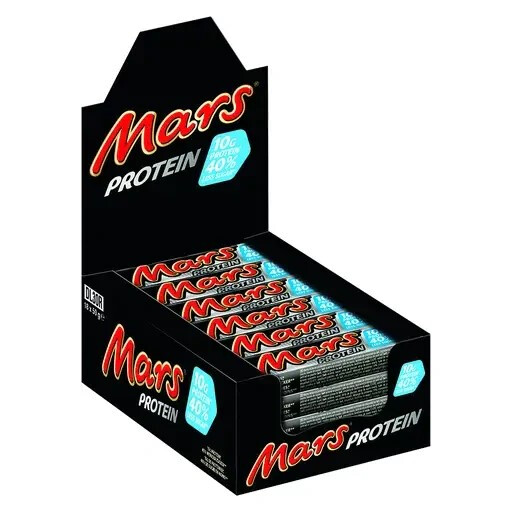 No image available
The pack of 18 bars is worth comparing if you’re planning lots of individual snacks for active days or outings.
Each bar weighs 50 g. The product information lists milk, soya, egg and barley; check the sugar information and any other allergen warnings on the pack.
Under the EU Regulation on nutrition claims, “high protein” means that at least 20% of the total energy value must come from protein. To find out how much protein is in a portion, check the amount in grams per bar.
No. The claim does not mean the bar is sugar-free, nor does it tell you about portion size or the other ingredients. The Consumer Advice Centre recommends that sweets and snacks are only an occasional addition to children’s diets. If a bar contains sugar alcohols, it’s also important to follow the consumption advice.
Look for the relevant label on the specific variety, then read the ingredients and may-contain information. Different ranges from the same brand can vary: Barebells warns that its Original and Soft bars contain lactose or may contain traces of it.
The label on the pack you’re actually going to eat is what matters. Ingredients and warnings may vary between varieties or suppliers. For example, REWE lists possible traces of peanuts, tree nuts, sesame and gluten in White Chocolate Crisp from its PWR range.