For a late-night snack, the best way to choose a protein bar is to consider the actual portion and what you want it for. After exercise, the amount of protein per bar may matter; if you fancy something sweet, portion size and nutritional information may be more important. In either case, check the ingredients and allergens. According to the German Nutrition Society, a protein bar is not necessary simply because you exercise, and it is no substitute for a balanced diet.
Who might a protein bar suit?
People heading home late after exercise
If you want to take a portioned snack with a stated protein content with you after exercise, a bar can be convenient. The German Nutrition Society considers protein as part of your overall daily diet, rather than just in relation to a single snack.
Anyone who fancies something sweet in the evening
If you’re mainly in the mood for a sweet snack, it’s worth checking the energy, sugar and portion size as well as the protein claims. One nutritional value alone won’t tell you whether the bar fits in with the rest of your diet.
People buying bars to keep in stock
If you’re keeping a few bars in your bag, at the office or at home, the size of each bar and the pack contents can help you compare products. If you need to avoid certain ingredients, check the current labelling for each variety.
What should you look for when buying?
First decide what matters most to you: a protein portion after exercise, a sweet late-night snack or the choice of ingredients. Then compare the information per bar, rather than relying only on what’s printed on the front of the pack.
| What to consider |
What to check |
Who it matters to |
| Protein after exercise |
Grams of protein and bar weight per portion; how it fits into your daily diet. |
After exercising late, I want a handy portion and to know how much protein it contains. The protein portion is likely to be the top buying priority for around 40% of consumers. |
| Sweet late-night snack |
Energy and sugar per bar, as well as portion size. |
If I fancy something sweet in the evening, I look at the whole portion rather than just a sugar claim. Around 30% of consumers are likely to prioritise checking sugar and energy. |
| Stocking up and portion size |
Number and weight of bars; storage information on the pack. |
For snacks on the go, I want to know how many individually portioned bars are in the pack. Planning what to stock up on is likely to be the main concern for around 20% of consumers. |
| Ingredients and allergens |
Current ingredients list, highlighted allergens and any precautionary allergen statements. |
If I’m looking for plant-based ingredients or need to avoid certain allergens, the labelling for the specific variety is what matters. This choice of ingredients is likely to come first for around 10% of consumers. |
Common misconceptions
-
Confusing the percentage of protein with the amount per bar
A percentage refers to a reference amount. Bars of different weights can therefore contain different amounts of protein per bar, even if their packaging makes similar claims.
Compare the number of grams per bar, and take the bar’s weight into account.
-
Assuming ‘no added sugar’ means low in energy
That claim alone tells you neither the energy content nor the other nutritional values for the portion.
When choosing a late-night snack, read the nutritional information per bar and the ingredients list.
-
Assuming a bar is vegan or allergen-free from the front of the pack
Even a bar labelled vegan may contain ingredients such as soya or nuts. Different varieties from the same brand can also vary.
Check the ingredients, highlighted allergens and precautionary allergen statements on the current pack.
Brands to consider
Barebells
Barebells lists 15 to 20 g of protein per bar for some of its protein bars. This applies to the specific varieties, not every bar from the brand.
- The protein content per bar is stated for several varieties.
- Barebells says its bars may contain lactose or traces of it; check the specific pack.
Sportness
dm’s own brand offers protein bars in a range of varieties.
- Different varieties make it easy to compare bar weights and protein content.
- A protein percentage is no substitute for the amount in grams per bar.
REWE PWR
In September 2026, REWE announced six protein bars under its REWE PWR own brand.
- The range includes several varieties of bar.
- Check the ingredients, portion sizes and nutritional values for each variety individually.
MAX BALANCE
EDEKA describes MAX BALANCE as offering vegan protein bars, among other products, as well as other bar varieties with different protein content.
- For its vegan Almond Biscuit and Brownie varieties, EDEKA lists protein content of 25% and 28% respectively.
- Always refer to the labelling on the specific pack; EDEKA notes that product information on its website may differ.
Premier Protein
For its 40-g Chocolate Caramel bar, REWE lists 50% protein and 0,7 g of sugar per bar.
- Protein content and sugar per bar are stated for this variety.
- These values do not automatically apply to other Premier Protein varieties or pack formats.
Protein bars at Joybuy
These bars may suit you if you’re after a portioned late-night snack, perhaps after exercise or when you fancy something sweet. Pack sizes and flavours vary; for nutritional values and allergens, always check the labelling for the specific variety.
 Image unavailable
Barebells Protein Bar Cookies & Cream, 12 × 55 g
A portioned bar to enjoy after exercise or as a late-night snack. According to the product name, the pack contains twelve 55 g bars. Check the nutritional information and allergens for this variety on the pack.
View at Joybuy
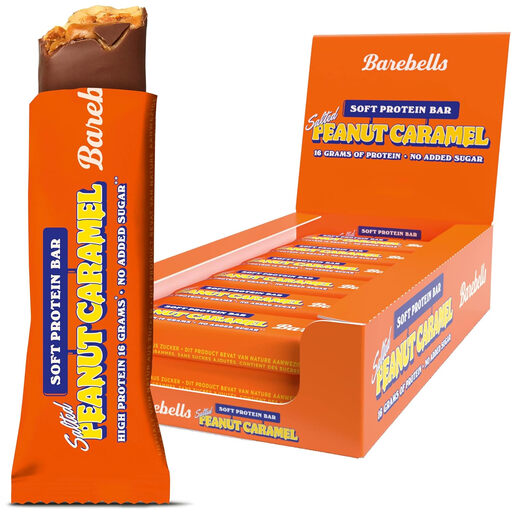 Image unavailable
Barebells Soft Protein Bar Salted Peanut Caramel, 12 × 55 g
A portioned late-night snack if you fancy Salted Peanut Caramel. The product name lists twelve 55 g bars; if you have a peanut allergy, take particular care to check the ingredients and allergen information before buying.
View at Joybuy
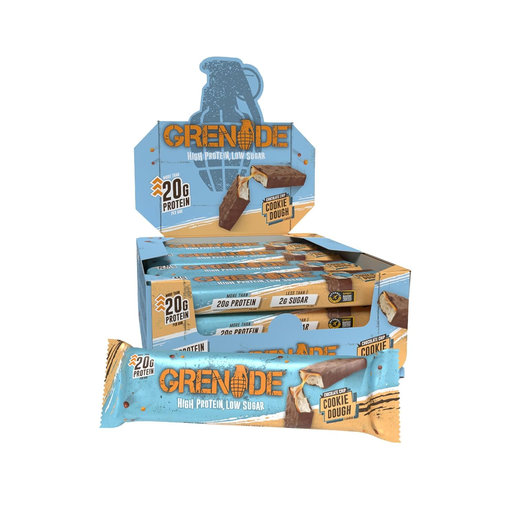 Image unavailable
Grenade Carb Killa Choc Chip Cookie Dough, 12 × 60 g
An individually portioned bar to take with you or enjoy after exercise. The product name lists twelve 60 g bars; check the nutritional information per bar to assess sugar and energy, rather than relying on the product name.
View at Joybuy
 Image unavailable
Barebells Vegan Protein Bar Peanut Caramel, 12 × 55 g
If you’re specifically looking for a bar labelled vegan, check the labelling for this variety on the pack. The product name lists twelve 55 g bars; compare the protein per bar with the current nutritional information.
View at Joybuy
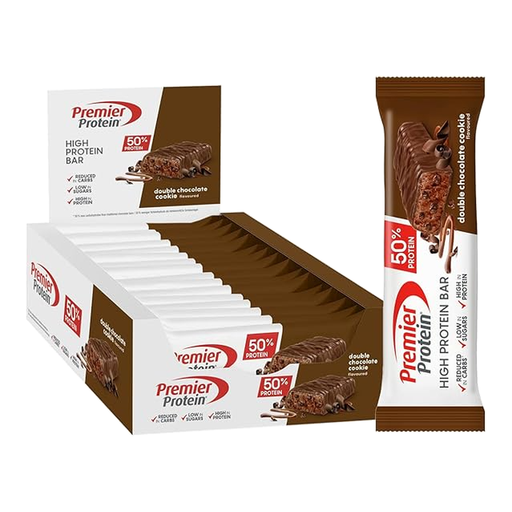 Image unavailable
Premier Protein High Protein Bar 50 % Double Chocolate Cookie, 16 × 40 g
A smaller, individually portioned bar for a late-night snack. The product name lists 16 bars of 40 g each; the advertised protein percentage is no substitute for checking the protein, sugar and energy per actual portion.
View at Joybuy
Frequently asked questions
Do I need a protein bar after exercise?
No, a protein bar isn’t essential after exercise. For adults aged 19 to 65, the German Nutrition Society gives a reference value of 0,8 g of protein per kilogram of body weight per day; this includes your total daily intake. A bar can be a convenient snack if it fits in with the rest of your diet.
How do I compare protein bars of different sizes?
First compare the protein and energy per actual bar, and take its weight into account. Information per 100 g can also help you compare different-sized products on the same basis; for a late-night snack, the amount you actually eat still matters.
Does ‘no added sugar’ mean low in energy?
No, ‘no added sugar’ doesn’t in itself tell you the energy content of a bar. Check the nutritional information per portion and the ingredients list, rather than basing your decision on this claim alone.
What should I look out for when it comes to allergens?
For every bar, check the ingredients list, highlighted allergens and any precautionary allergen statements on the current pack. The European Union sets out relevant labelling requirements for prepacked foods; a vegan label alone won’t tell you whether a product contains allergens.


