For a quick break on the go, it’s worth comparing protein bars by the amount of protein in the bar you’ll actually eat, as well as their other nutritional information, ingredients and allergens – rather than relying on the percentage shown on the front. A bar can make a handy snack, but its protein content alone doesn’t make it a balanced lunch replacement. Germany’s consumer advice centre says that most people who eat a balanced diet don’t need extra protein.
Who should compare protein bars?
Active people looking for a snack
If you want to take a bar with you for after your workout, compare the protein per serving. That doesn’t mean you automatically need an extra protein product: Germany’s consumer advice centre considers protein intake in Germany to be generally good.
Commuters with a short lunch break
If you barely have time for a meal, portion size and whether you can eat the bar without preparing it both matter. For regular choices, it’s also worth checking the nutritional information and ingredients for each variety.
Vegan shoppers and those mindful of allergens
If you need to avoid certain ingredients or are looking for a vegan option, check each variety against its current packaging. A vegan label doesn’t answer questions about soya, wheat or possible traces of other allergens.
What should you look for when buying?
Start by comparing the portion you’d actually eat. Then check the nutritional information and ingredients list to see which differences matter for your break.
| What to check |
How to assess it |
Who it matters most to |
| Protein per bar |
Compare the serving information, or use the value per 100 g to work out the amount for one bar. The percentage alone doesn’t tell you how much protein you’ll get from a pack. |
After exercise or between appointments, I want to know how much protein is in the bar I’ll actually eat. This is the main consideration for around 29% of consumers. |
| Other nutritional information |
Check the energy, sugar and other nutritional information per bar. Look out for sweeteners and polyols in the product details. |
A prominent protein figure isn’t enough for me to choose a bar for a short lunch break. Around 29% of consumers prioritise other nutritional information and ingredients. |
| Dietary requirements and allergens |
Check the labelling for the specific variety, especially the ingredients, highlighted allergens and any ‘may contain’ warnings. |
If I shop for plant-based products or need to avoid certain ingredients, the right formulation matters more than getting as much protein as possible. This is the most important consideration for around 21% of consumers. |
| Availability for stocking up |
Check that the variety you want is available at your chosen retailer, and note the pack size and current packaging information. |
I want to plan ahead for several short breaks and be able to find the same suitable variety again. This practical convenience comes first for around 21% of consumers. |
Common misconceptions
-
Confusing protein percentage with protein per bar
Pack size affects the amount per serving: with 40 g of protein per 100 g, a 50 g bar contains 20 g of protein. A percentage without the serving weight isn’t enough for a useful comparison.
Compare bars using their serving information, and check energy and sugar on the same basis.
-
Taking ‘high protein’ to mean it can replace a meal
A protein-related claim doesn’t tell you everything about a bar’s ingredients and nutritional content. Germany’s consumer advice centre says that most people who eat a balanced diet don’t need extra protein.
Decide whether you need a handy snack or a lunch, and check the full nutritional information if you’re choosing a snack.
-
Assuming ‘vegan’ means allergen-free
According to the product information, the vegan MAX-BALANCE Brownie bar sold by EDEKA contains soya protein and wheat gluten. Possible traces of other allergens are also listed. A vegan label alone isn’t enough to help you choose based on allergens.
Check the current ingredients and allergen information on the packaging for every variety.
Brands to help you choose
CORNY
As well as muesli bars, CORNY makes protein bars. Don’t assume the two categories are interchangeable when choosing a snack.
- CORNY describes its protein range as including crunchy and soft varieties.
- Check the protein per bar, ingredients and allergens for the specific variety you want.
REWE PWR
REWE PWR includes protein bars such as the Brownie variety, available in a 45 g format.
- REWE lists 13.5 g of protein and 1.4 g of sugar per 45 g Brownie bar.
- These figures apply to this variety. Check its ingredients and allergen information on the pack you’re buying.
MAX BALANCE
EDEKA’s MAX BALANCE range includes both conventional and explicitly labelled vegan protein bars.
- For its White Chocolate-Vanilla variety, EDEKA lists 40 g of protein per 100 g; its vegan Brownie variety contains 28.1 g per 100 g.
- The varieties have different ingredients and allergen information. EDEKA notes that packaging information may differ and that not every store stocks every product.
ALDI SPORTS
ALDI SÜD stocks selected protein bars under its ALDI SPORTS brand, including the Filled Protein Strawberry Yogurt variety.
- For this 45 g variety, ALDI SÜD lists 34 g of protein per 100 g, which works out at 15.3 g per bar.
- This figure applies only to the variety named. Its other nutritional information and ingredients also matter when choosing.
Protein bars on the go at Joybuy
This selection includes protein bars in single portions and multipacks, suited to a quick break on the go. Not every protein bar is a muesli or cereal bar, so check each variety against your own ingredients and nutritional criteria.
 No image available
CORNY Crunchy Cookie Flavour Protein Bar, 12 × 45 g
Ideal for individually portioned snacks on your way to work or during a quick break. The product name states 30% protein and twelve 45 g bars. For a more informed choice, also compare the other nutritional information and ingredients on the pack.
View at Joybuy
 No image available
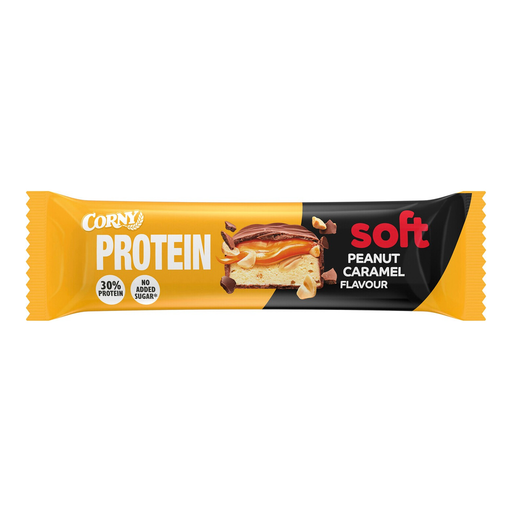
CORNY Protein Peanut & Caramel Bar, 45 g
A 45 g protein bar for a quick snack break. If sugar content matters to you, pay particular attention to the figure on the current packaging. Also check the ingredients and allergen information.
View at Joybuy
 No image available
Barebells Vegan Protein Bar Peanut Caramel, 12 × 55 g
For shoppers looking specifically for a protein bar labelled vegan, in 55 g portions. The product name states that the pack contains twelve bars; check the current packaging for ingredients, allergens and protein per bar.
View at Joybuy
 No image available
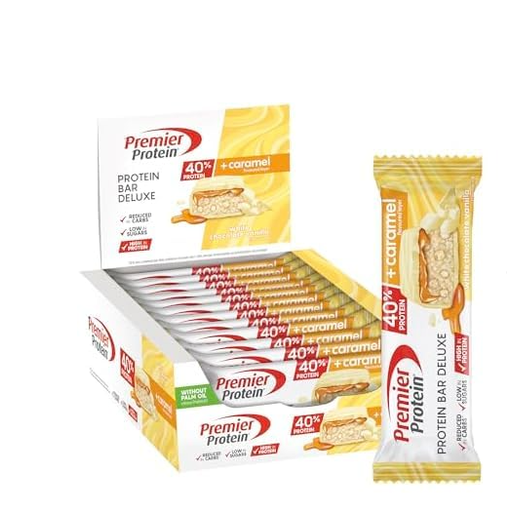
Premier Protein Bar Deluxe White Chocolate Vanilla, 12 × 50 g
A multipack for individual snack breaks. The product name states 40% protein and twelve 50 g bars. Before choosing, check this figure against the nutritional information and ingredients on the specific pack.
View at Joybuy
 No image available
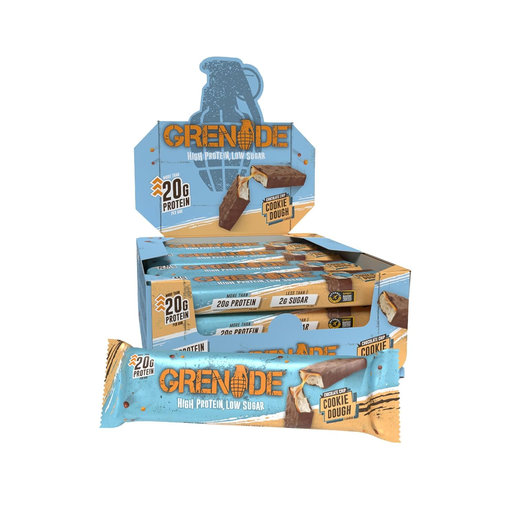
Grenade Carb Killa Choc Chip Cookie Dough, 12 × 60 g
For shoppers comparing protein bars in larger individual portions for eating on the go. The product name states that the pack contains twelve 60 g bars. Check the nutritional information and allergen labelling on the current pack before comparing.
View at Joybuy
Frequently asked questions
Can a protein bar replace lunch?
A protein bar isn’t a balanced lunch just because it contains protein. It can make a handy snack when you’re short on time, but Germany’s consumer advice centre says that most people who eat a balanced diet don’t need extra protein.
How do I compare bars of different weights?
Start by comparing protein per bar if you’d eat one whole bar as a serving. If the pack only gives a figure per 100 g, use the bar’s weight to work it out, then compare the other nutritional information on the same basis.
Is a low sugar figure enough to help me choose?
No. Sugar alone doesn’t tell you everything about a bar’s ingredients or whether it’s suitable as a lunch-break snack. Also check energy, other nutritional information and ingredients; sugar and polyols are listed separately.
Is a vegan protein bar automatically suitable for people with allergies?
No. Vegan protein bars can contain allergenic ingredients. For example, according to EDEKA, the vegan MAX-BALANCE Brownie bar contains soya protein and wheat gluten. So check the current ingredients list and highlighted allergens for the variety you want.


