For older, physically active teenagers, a protein bar can occasionally be a convenient snack, provided the portion size, ingredients and allergens are suitable. A single bar is not a like-for-like replacement for a regular packed lunch: the German Nutrition Society (DGE) stresses the importance of a suitable mix of carbohydrates, protein and fat, along with enough fluid, for a school break. For children, sweeteners and the ingredients in the specific variety also deserve particular attention.
Who does this decision matter to?
Parents who pack a lunchbox every day
For a regular school break, what matters is the role a bar plays alongside bread, fruit, vegetables and a drink. The DGE recommends a varied selection for break time, while the consumer advice centre advises parents to take a critical look at sweeteners and sugar substitutes in snacks for children.
Older teenagers who are physically active
For an occasional snack on training days, the actual portion and protein sources matter more than a large percentage printed on the front of the pack. Ingredients such as milk, soya or collagen, as well as any warnings on the packaging, should also inform your decision.
Families managing gluten or other allergens
The information on the specific variety is key: a protein bar labelled gluten-free may still contain milk or almonds, for example. The ingredients list and any warnings about possible traces need to meet your particular requirements.
What should you look for when buying?
A balanced school lunch
A good fit if: You want a lunchbox to keep a schoolchild going through their break every day; the DGE suggests options such as wholemeal bread with a filling, fruit or vegetables with hummus.
The trade-off: Preparing several foods takes time, and some items need to be stored appropriately.
A protein bar as an extra
A good fit if: An older, physically active teenager would occasionally like to take a single-serve snack with a stated protein content.
The trade-off: A bar does not replace the variety of a balanced school lunch; depending on the variety, it may also contain sweeteners and relevant allergens.
| What matters | What to check when buying | Who should pay particular attention |
|---|
| School break |
Is the bar an occasional extra, or is it meant to regularly replace a packed lunch? What will you include besides the bar and a drink? |
If I pack a lunchbox every day, I don’t want a single bar to quietly take the place of a varied lunch. This is the top priority for around 33% of consumers. |
| Protein portion |
Compare the protein per bar and the weight of each portion, rather than relying solely on figures per 100 g or those on the front of the pack. |
On training days, I want to know how much protein is in the portion I’m actually packing. Around 27% of consumers prioritise this. |
| Gluten and allergens |
Check the ingredients and trace warnings for the exact variety; a gluten-free claim does not replace checking for other allergens. |
If certain ingredients need to be avoided in my family, I can’t use a similar variety as a guide to the bar I’m buying. Around 27% of consumers put this check first. |
| Sugar and sweeteners |
Check the sugar per portion alongside the ingredients list and any warnings about sweeteners or sugar substitutes. |
When choosing a sweet snack for a lunchbox, I don’t want to judge it on a low sugar figure alone. Around 13% of consumers prioritise this. |
Common selection mistakes
-
Assuming “high protein” means a complete packed lunch
A claim about protein content doesn’t describe the overall balance of a school lunch. Alongside protein, the DGE highlights carbohydrates, fat and enough fluid.
It’s better to plan a bar as an occasional extra and include a variety of foods and a drink for a regular school break.
-
Looking only at the sugar figure
A low sugar figure may go hand in hand with sweeteners or sugar substitutes. The consumer advice centre generally does not consider these products a suitable alternative for children; some bars also carry a warning about possible laxative effects if consumed in excess.
Check the sugar information, ingredients list and warnings on the specific pack together.
-
Confusing “gluten-free” with “allergen-free”
According to the product information, the Seitenbacher protein bar listed as gluten-free by REWE contains milk protein and almonds. Other protein bars may contain wheat or warn of possible traces of cereals containing gluten.
If you have a dietary requirement, check the current ingredients list and trace warnings for the exact variety.
-
Reading figures per 100 g as figures per bar
For bars of different sizes, the figure per 100 g doesn’t tell you how much is in a single school portion.
Compare the bar’s weight with the nutritional information per portion.
Brands and product ranges to help you choose
ESN
The ESN Protein Bar Cookie Dough listed by REWE is a 45-g variety, described there as containing 31% protein.
- The stated single-serve size makes it easier to compare with bars of other sizes.
- The product information lists ingredients including milk and soya, as well as sweeteners, so the recipe won’t suit every dietary requirement.
Seitenbacher
REWE specifically labels a 70-g Seitenbacher protein bar as gluten-free.
- This variety is listed as containing 35 g of protein per 100 g.
- According to the product information, it contains milk protein and almonds; possible traces of other allergens are also mentioned.
Grenade
The Grenade Protein Bar Oreo White listed by REWE has a portion size of 60 g and contains 17 g of protein per bar.
- The protein content is stated for an individual bar.
- The ingredients include wheat flour and wheat starch; the product also carries a warning about excessive consumption.
Barebells
The Hazelnut Spread variety listed by REWE is a 45-g protein bar, with 15 g of protein per bar.
- The portion size and protein content are stated for this specific variety.
- The product information mentions possible traces of cereals containing gluten, as well as a warning about excessive consumption.
EDEKA MAX BALANCE
The recipes in the EDEKA protein bar range vary considerably.
- The Stracciatella variety and a vegan brownie-flavoured bar offer different ingredient combinations.
- According to EDEKA, the Stracciatella variety contains milk and soya; the vegan brownie variety contains wheat gluten. The features of one variety do not apply to the whole range.
Protein bars at Joybuy
These bars may suit older, physically active teenagers as an occasional, individually portioned snack; the Frankonia bar is also described as a gluten-free option. Whether a variety is suitable for a particular lunchbox depends on the current pack labelling and ingredients.
 Image unavailable
Power System Low Carb Cookies & Cream Protein Bar, 40 g
A 40-g portion for anyone who occasionally wants to pack a bar for a sports day. Before choosing, check the current packaging for the ingredients and whether it is suitable for the person who will be eating it.
View at Joybuy
 Image unavailable
Premier Protein 50% Bar Chocolate Caramel, 16 × 40 g according to the title
For an occasional, portioned snack on a training day. The product title states 16 bars of 40 g each; check the pack size before ordering, as the information about it varies.
View at Joybuy
 Image unavailable
Barebells Protein Bar Cookies & Cream, 12 × 55 g
The 55-g single portion could be a good choice for an occasional post-workout snack. If you have specific dietary requirements, check the ingredients and trace warnings for this Cookies & Cream variety, rather than those for another Barebells flavour.
View at Joybuy
 Image unavailable
Frankonia Sugar Free Nutrition Bar Chocolate Brownie, 50 g
This 50-g variety may be worth considering if you’re looking for a bar labelled gluten-free. If gluten or other ingredients need to be avoided, the current labelling for this exact variety is what matters.
View at Joybuy
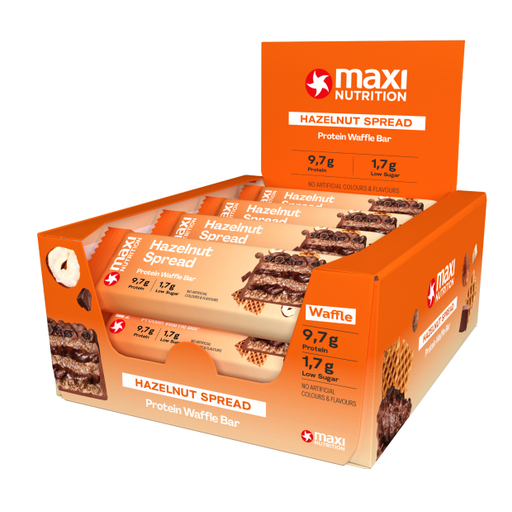 Image unavailable
Maxi Nutrition Muesli Nut Butter Protein Wafer Bars, 12 × 39 g
The 39-g single portion could be an occasional snack to take with you. The word “Muesli” in the product name does not, by itself, confirm which grains it contains; check the ingredients for the specific variety before packing it.
View at Joybuy
Frequently asked questions
Can a protein bar replace a packed lunch?
A single protein bar should not take the place of a varied lunchbox for a regular school break. The DGE stresses the importance of an appropriate intake of carbohydrates, protein and fat, as well as enough fluid; a bar is better viewed as an occasional extra.
How can I tell whether a protein bar contains gluten?
Check the ingredients and allergen information for the specific variety. According to the product information on REWE, Grenade Oreo White contains wheat flour and wheat starch; a Seitenbacher protein bar is specifically labelled gluten-free. Possible traces of cereals containing gluten are mentioned for Barebells Hazelnut Spread.
Is a low sugar figure the deciding factor for bars for children?
No, the sugar figure alone doesn’t tell the whole story. The consumer advice centre generally does not consider products containing sweeteners or sugar substitutes a suitable alternative for children. You should also consider the ingredients, portion size and the bar’s role in the school break.
How should I store a protein bar for school?
Follow the storage instructions on the specific pack. The product information for Grenade Oreo White listed by REWE says to store it in a dry place and protect it from heat; Barebells Hazelnut Spread is stated to be stored at room temperature. So don’t leave a chocolate-coated bar in a warm school bag for a long time.


