For children, a protein bar is not a regular replacement for a varied packed lunch, but it can occasionally be added as a portable snack. The German Nutrition Society recommends a suitable mix of carbohydrates, protein and fat, along with plenty of fluids, for the school day. So, when choosing a bar, it’s not just the portion size that matters: the ingredients, sweeteners and allergens will also determine whether a particular variety is suitable.
Who might consider a protein bar?
Parents putting together a packed lunch
A bar should be no more than an occasional addition to a lunchbox. What matters more is what the whole meal and drink provide; this is the approach taken in the German Nutrition Society’s guidance for the school day.
Older pupils who need a snack on the go
If you want to take a bar along for after school or training, look at the actual portion: pack size and protein content alone tell you little about sugar, polyols or whether it’s suitable as part of a packed lunch.
Plant-based households checking allergens
With a mixed box, check the ingredients list for every variety. According to the manufacturer, the Barebells Vegan Mix Box contains soya and wheat; Caramel Peanut also contains peanuts. A vegan label doesn’t answer the question of allergens.
What should you look for when choosing one?
First decide whether the bar is simply meant to complement a packed lunch. Then compare the portion size and check the ingredients and allergens for each variety you’re considering.
| What matters | What to check when buying | Who it matters to |
|---|
| Packed lunch and snack |
Which foods and drink will be included in the lunch, and what role should the bar play alongside them? |
I want to include something in the lunchbox without replacing the rest of the packed lunch with a bar. Around 50% of consumers prioritise this kind of addition rather than a meal replacement. |
| Portion and stock |
Compare the bar’s weight and pack size; relate nutrition information per 100 g to the actual portion. |
I’m looking for a portable snack for a long school or training day, but only want to stock up on as many bars as I expect to use. For around 25% of consumers, portion size and how much to keep in stock come first. |
| Ingredients and allergens |
Check the ingredients, sweeteners and allergen information for every variety; also consider the school’s requirements. |
If a variety needs to suit a plant-based diet and personal allergen requirements, the mixed box name alone isn’t enough. Around 25% of consumers prioritise checking the ingredients. |
Common buying mistakes
-
Assuming protein content makes a complete packed lunch
A single nutritional value doesn’t tell you everything about a school meal. The German Nutrition Society’s guidance on packed lunches takes account of a range of nutrients and plenty of fluids.
Plan food and water for the break separately from the bar; use it as an occasional addition if appropriate.
-
Assuming ‘no added sugar’ answers every question about ingredients
This claim doesn’t tell you whether the product contains sweeteners or sugar substitutes. The consumer advice centre generally considers products containing these ingredients unsuitable as an alternative to conventional snacks for children. It also warns that sugar substitutes can have a laxative effect when consumed in larger quantities.
Read the ingredients list and nutrition information per bar rather than choosing based only on a claim on the front of the pack.
-
Checking only one variety in a mixed box for allergens
Ingredients can vary between varieties: according to Barebells, the Vegan Mix Box contains soya and wheat, while Caramel Peanut also contains peanuts.
Check each variety and its ‘may contain’ information for the person who will eat it, as well as the school’s requirements.
-
Choosing a multipack before checking the ingredients
A larger pack isn’t much use if some varieties aren’t suitable because of their ingredients.
Check the recipes first, then decide whether the number of bars matches your actual needs.
Brands to consider
REWE PWR
A REWE own-brand range of protein bars, worth considering if you want to compare individual bars while doing your supermarket shop.
- At launch, REWE announced six protein bars, with the varieties featured weighing 45 g each.
- REWE describes the range as being aimed at active people, but this doesn’t establish that it’s suitable as a daily packed lunch for children.
Barebells
The Vegan Mix Box is aimed at households wanting to compare several plant-based bar varieties.
- According to Barebells, the box contains three varieties, with each bar weighing 55 g and providing 15 g of plant-based protein.
- The listed recipes contain soya and wheat; Caramel Peanut also contains peanuts. The manufacturer says that traces of other allergens may be present, and excessive consumption may have a laxative effect.
ESN
The Designer Protein Bar is sold in a multipack for anyone who regularly needs bars.
- ESN lists a pack size of 12 × 45 g, with 14–15 g of protein per bar, depending on the variety.
- According to ESN, the protein comes from milk; the varieties described also contain polyols. This doesn’t mean they’re automatically suitable for children.
Protein and snack bars at Joybuy
These packs may suit an occasional snack alongside a packed lunch. As well as sweet protein bars, there’s a savoury beef snack; check the portion size, ingredients and school requirements to decide whether a particular pack is right for you.
 Image unavailable
Barebells Vegan Protein Bar Peanut Caramel, 12 × 55 g
For households considering stocking up on a plant-based bar variety. The product information lists peanuts, wheat and soya, as well as maltitol and sucralose; check the ‘may contain’ information and the school’s requirements too.
View at Joybuy
 Image unavailable
BE-KIND Protein Caramel Nut, 12 × 50 g
A multipack for an occasional portioned snack. The product information lists peanuts, milk and soya, as well as possible traces of other nuts; check the allergen information and nutrition details on the packaging.
View at Joybuy
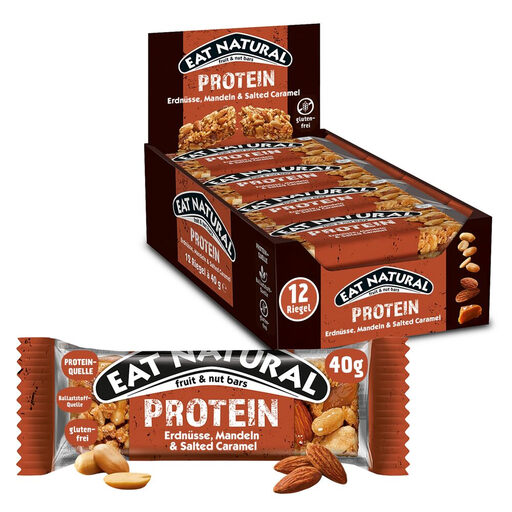 Image unavailable
Eat Natural Protein Bars Peanuts Almonds & Salted Caramel, 12 × 40 g
The 12-pack can be kept for occasional snacks alongside a packed lunch. The product information lists peanuts, almonds, soya and milk, as well as possible traces of other nuts; compare the nutrition information per 100 g with the 40 g bar.
View at Joybuy
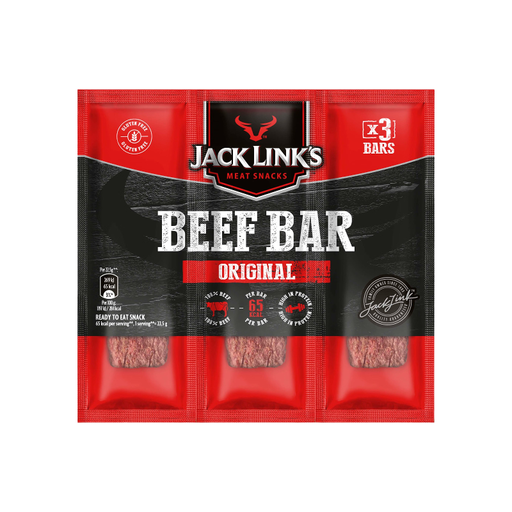 Image unavailable
Jack Link's Original Beef Protein Bars, 3 × 22,5 g
A savoury beef snack for anyone looking for this type of product instead of a sweet bar. Check that beef and soya fit your diet and the school’s rules; relate the sugar and salt information per 100 g to the portion size.
View at Joybuy
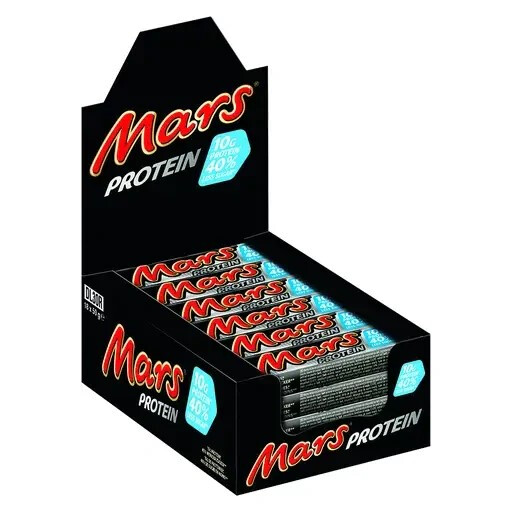 Image unavailable
Mars Protein Bars, 18 × 50 g
The 18-bar carton is worth considering only if you’ll use that many for occasional snacks. Check the sugar and allergen information on the packaging: the product information lists milk, soya, egg and cereals containing gluten, and says traces of nuts may be present. For a lunchbox, also check whether the bars are individually wrapped.
View at Joybuy
Frequently asked questions
Can a protein bar be a daily packed lunch for children?
No. A protein bar isn’t a suitable all-round replacement for a varied packed lunch. The German Nutrition Society recommends a range of nutrients and plenty of fluids as part of a school meal; a bar is better considered as an occasional addition.
Do I need to check the allergens in every variety in a mixed box?
Yes, because the ingredients can vary between varieties. Read the ingredients list and any ‘may contain’ information for each one, and take account of personal requirements and the school’s rules; ‘vegan’ doesn’t mean a product is suitable for people with allergies.
What should I know about maltitol and other sugar substitutes?
The consumer advice centre warns that sugar substitutes can have a laxative effect when consumed in larger quantities. So check the ingredients and consumption guidance for the particular variety, especially before choosing a larger pack.
Does ‘no added sugar’ also mean ‘sugar-free’ or ‘suitable for children’?
No. ‘No added sugar’ doesn’t mean ‘sugar-free’, nor does it automatically mean a product is suitable for children. Compare the sugar content in the nutrition information and check the ingredients list for sweeteners or sugar substitutes.


